
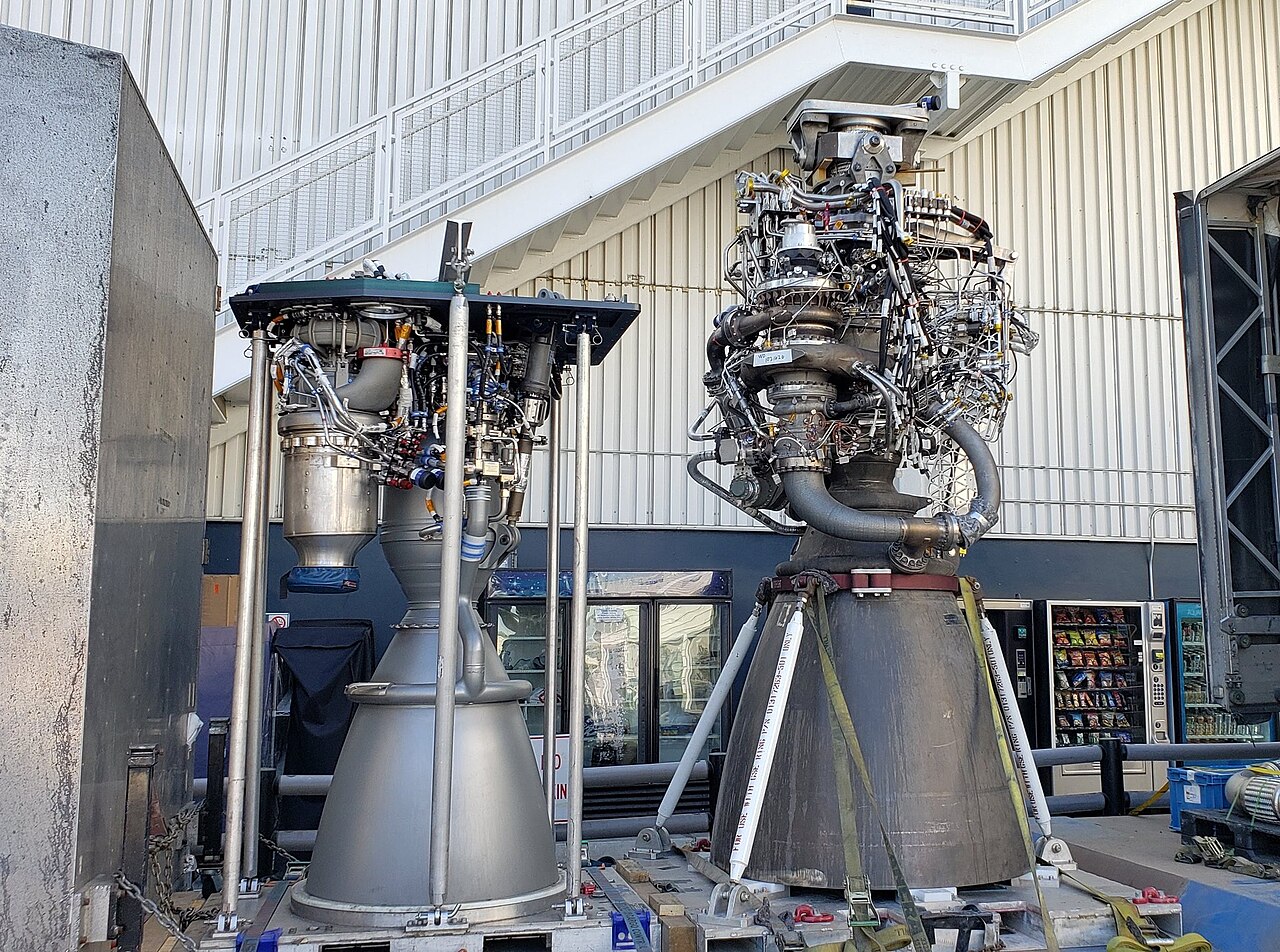
Evology Manufacturing, an ITAR-registered contract manufacturer in Waukesha, Wisconsin, has purchased an EOS M 400-4 metal powder-bed system, TCT Magazine reported on October 22. The four-laser machine will take Evology's EOS fleet to ten systems: eight metal and two polymer. The company has also joined EOS's Production Partner Network. Evology's explanation is plain. Space customers have built up a backlog on its EOS M 290 machines, and the shop has a set rule for when it buys more capacity.
The purchase is modest next to the large-format machine announcements that usually lead the metal AM news. What makes it interesting is the reasoning behind it, which Evology spelled out more openly than most service bureaus do. It gives a rare look at how a mid-sized production shop decides when to buy its next machine.
The Machine
According to TCT, the EOS M 400-4 has four 400 W lasers working over a 400 x 400 x 400 mm build volume, and Evology expects to use it for larger metal parts. Keidl describes it as a step beyond the M 290 platform, with a larger build envelope, four lasers and automated manufacturing. Those features explain why a shop with a busy M 290 fleet would choose it. A bigger build envelope lets the shop either make larger parts in one piece or fit more small parts on each plate, and multiple lasers can share the work across that plate. For a contract manufacturer, both features address the same constraint: how many customer parts come off one machine in one shift.
The machine has not been installed yet. Neither TCT nor VoxelMatters gave an installation date, a price, or the alloys Evology plans to run on the new system. We could not find or read a primary press release from Evology or EOS. The details here come from those two trade outlets.
Why the M 290s Are Backed Up
The most useful part of the announcement is a quote from Chris Keidl, Evology's vice president of operations. In TCT's report, Keidl says, "Our space customers are driving a backlog on our existing fleet of M 290s." VoxelMatters lists the parts that fleet has been used to make: manifolds, valve bodies, impellers and brackets.
That list is typical of production metal AM. Manifolds and valve bodies benefit from internal channels that are hard or impossible to drill. Impellers have complex curved surfaces. Brackets are the standard case for topology-optimized, weight-reduced parts. For space programs, where every gram costs money and production runs are short, these are the parts where powder-bed fusion often beats machining from billet. That is general industry context, not something Evology or the outlets said about specific space jobs.
Keidl also described Evology's capacity rule. The company adds capacity when lead times consistently stretch beyond two to three weeks. Its stated aim goes further: to start building the same day an order is placed.
Many service bureaus aim to keep machines fully booked and accept longer queues as the price of high utilization. Evology's rule points the other way, putting lead time ahead of squeezing every machine-hour. VoxelMatters says the new machine should let the shop bring down lead times on existing jobs and open the way for clients to order larger DMLS parts. For customers on aggressive development schedules, a part that starts printing today can matter more than a slightly lower quote.
A Shop That Does More Than Print
VoxelMatters notes that Evology is not purely an additive shop. Its services include machining, urethane casting and digital sheet metal forming, along with additive processes: FDM, SLS, SLA, PolyJet, Cold Spray and DMLS. TCT adds that Evology also does tooling and low-volume production, serving aerospace, automotive, defence and industrial customers.
That range matters for the M 400-4 investment. Metal powder-bed parts almost never ship straight off the plate. They need support removal, heat treatment, and usually machining of sealing faces, threads and datum features. A shop with in-house machining can control much of that chain, which fits with an ambition to start work the day an order arrives. Neither source says how Evology organizes its post-processing, so that link is our inference.
The ITAR registration adds another layer. Shops that can legally handle defense-related technical data are a smaller pool than the overall service bureau market. Aerospace and space customers with controlled designs may therefore have fewer places to send work, though neither source ties the backlog to ITAR status.
Joining the Production Partner Network
Along with the machine purchase, Evology has joined EOS's Production Partner Network. VoxelMatters reports that the North American arm of the network has 37 members, 12 of which operate the EOS M 400-4. TCT's coverage includes a quote from Andrew Snow, senior vice president at EOS, who calls the network a trusted group of manufacturers providing high-quality 3D printing services. A VoxelMatters photo caption also names EOS CEO Marie Niehaus-Langer alongside Keidl, which suggests senior EOS leadership took part in the announcement.
For EOS, a network like this is a way to connect customers with qualified shops running its hardware. For a member like Evology, it is plausibly a channel for inbound work from customers who already trust the EOS process, though neither source says Evology expects that.
What It Means for Makers
Most FilamentFeed readers won't be buying a four-laser metal system soon. Still, the Evology story contains a few lessons that apply at any scale.
Capacity rules beat gut feel. Evology's trigger is easy to state and easy to measure: when lead times consistently run past two to three weeks, add capacity. A print farm running a rack of FDM machines can use the same discipline with its own threshold. That might be a lead time, a utilization percentage, or the number of orders turned away.
Turnaround is a product. The "start building the same day" goal shows that customers value speed as well as parts. Small shops competing with large bureaus often win on responsiveness, not price, and that requires slack in the schedule.
Metal AM demand is concentrated. The parts list of manifolds, valve bodies, impellers and brackets is a reminder of where industrial metal printing tends to earn money. It is in functional, geometry-driven components, often for sectors such as space where weight and part consolidation justify the cost.
The full process chain is the moat. Evology's mix of printing, machining, casting and forming shows that the printer is only one step. For makers moving from hobby work to paid jobs, post-processing ability often determines what you can actually deliver.
Bottom Line
An eighth metal machine at a Wisconsin contract shop won't change the industry. It is still a clear sign of where demand stands. Space customers are driving a backlog on Evology's M 290 fleet, and the shop is responding by buying a larger, four-laser platform and joining EOS's partner network. The shop's openness about its lead-time trigger is the most practical part of the news. It shows that some production bureaus treat speed as a main selling point, with the machines as the means of delivering it.
