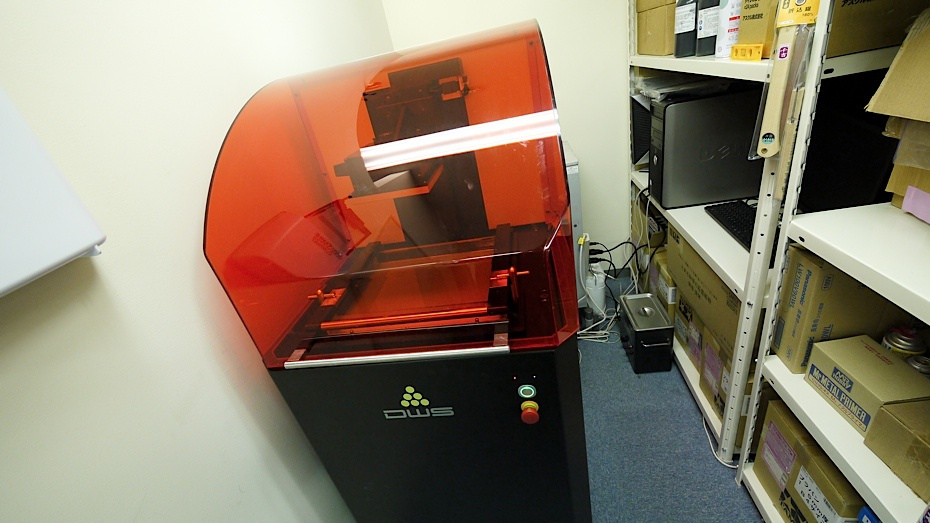
Axtra3D has appointed Marion Timmermans, formerly of AM-Flow, as VP of Revenue and Growth for EMEA and the rest of world, as the Hi-Speed SLA printer maker expands its reseller network around the Lumia X1.
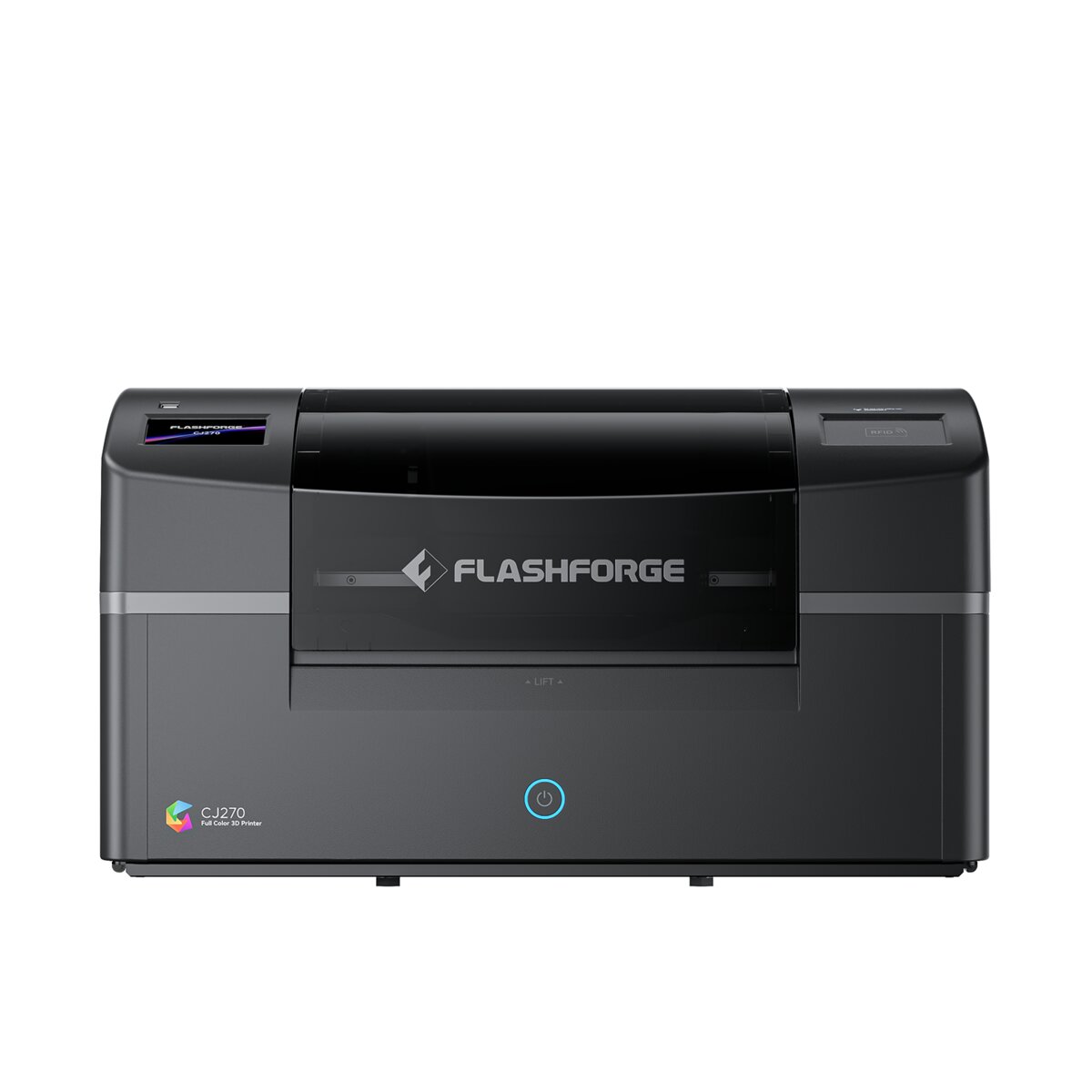
Flashforge's CJ270 undercuts years of rumored pricing to bring 10-million-color, transparency-capable material jetting to a $3,999 desktop machine shipping this October.
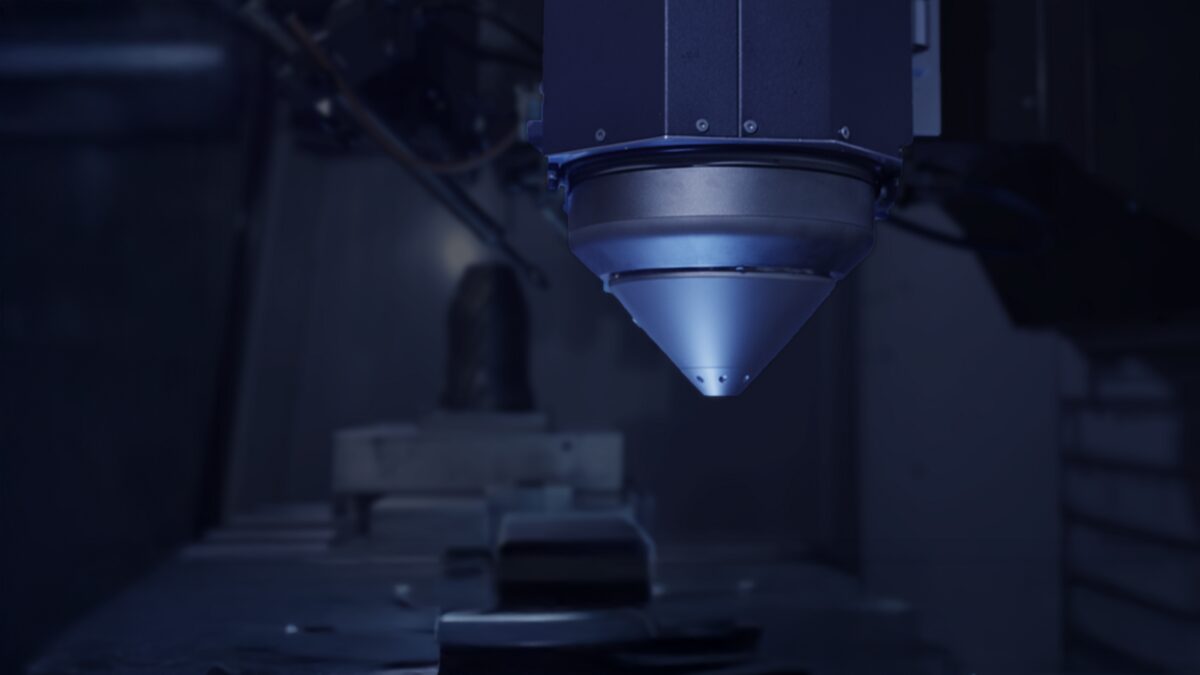
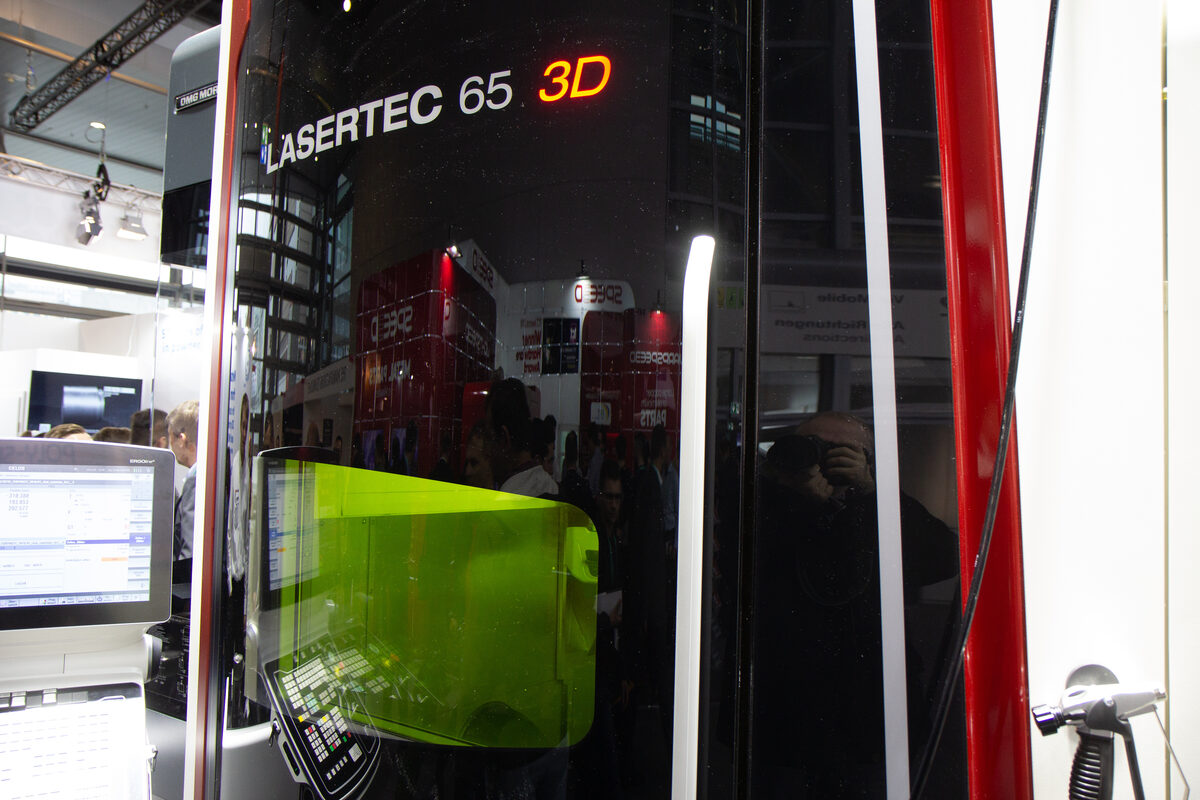
Axtra3D is showing its hybrid-SLA Lumia X1 and a full print-to-finish "Axtra Workflow" at IMTS 2026, backed by a new EMEA revenue hire as the company pushes into aerospace and medical manufacturing.
Fresh off a $4.7M Kickstarter, FibreSeek is pre-selling 500 units of the FibreSeeker 3, a $3,199 desktop printer that co-extrudes continuous carbon fiber for a claimed 900 MPa tensile strength.
At IFA Berlin, Creality quietly rolled out a second wave of hardware beyond its K3/SPARKX i8 headliners: a flagship and entry resin printer, a 420mm-cubed FDM machine, and a 260g handheld AI 3D scanner.
At IFA 2026 in Berlin, Creality launched a flagship K3 with 4.8-second tool swaps, a four-color SPARKX i8, and an M1 Filament Maker that turns failed prints back into usable filament.
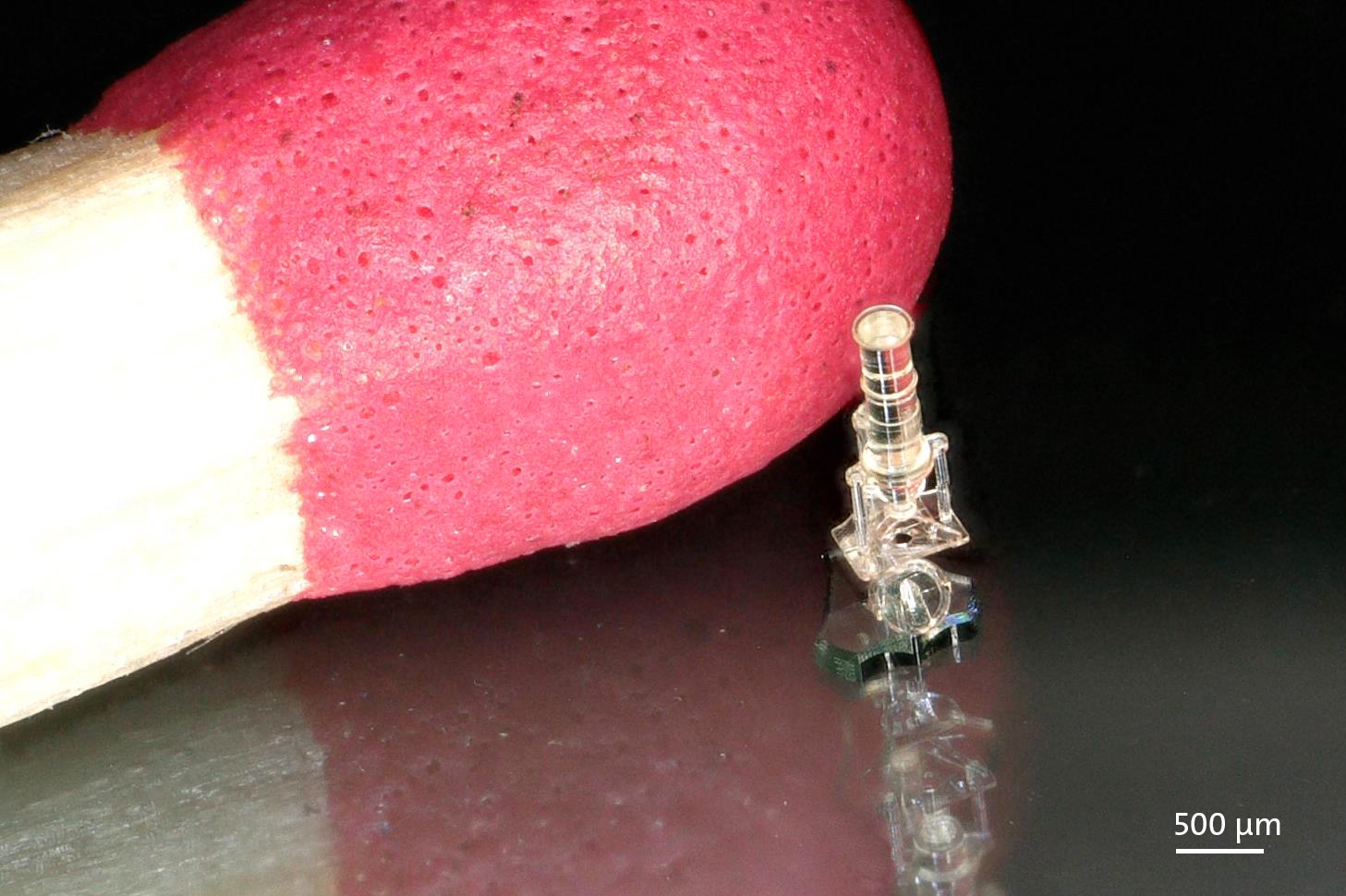
Diffraction Limited paired its open-source 50 nm micromanipulator with a home-built fiber-coupled 405 nm laser to trace slicer toolpaths in resin, then fixed UV bleed-through with curcumin pulled from turmeric to print 150 µm Benchies and a bunny smaller than a hair.
Roboze has entered a three-year research agreement with Rome's Tor Vergata University to develop new PEEK-based filaments and thermoplastic matrices for aerospace, automotive, biomedical, and defense parts.
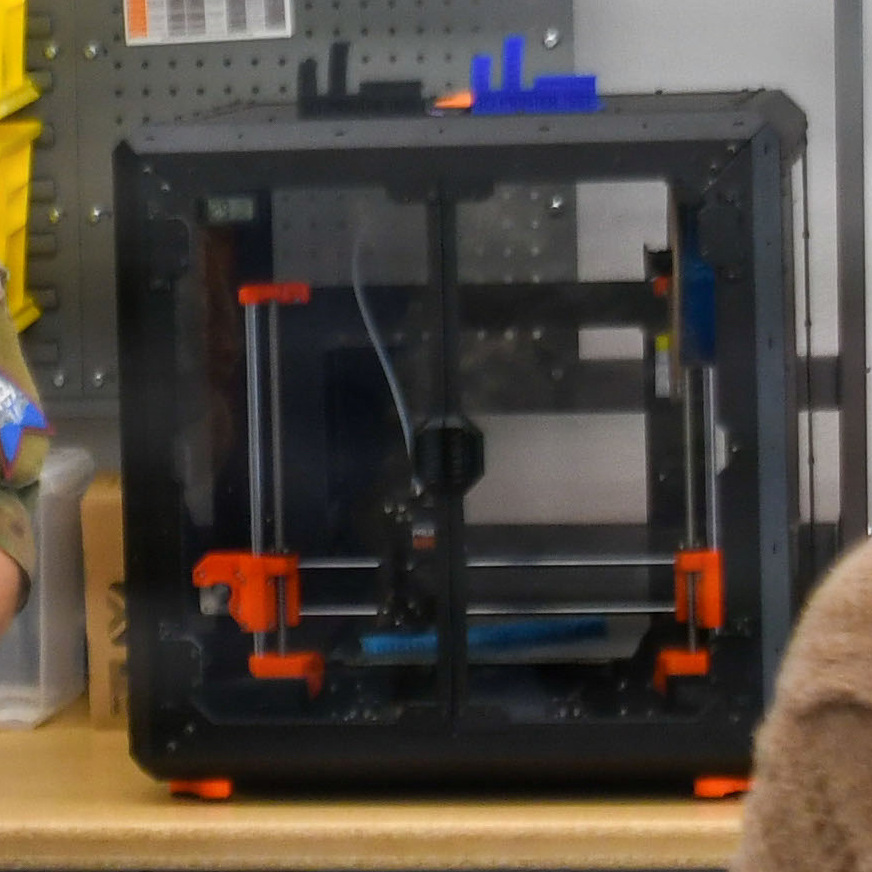
Prusa's new Prusament PLA ColorMix bundle uses inkjet-style halftoning across five translucent CMYW+black spools to yield up to 45 printable shades on multi-material Prusa printers.
QUB researchers used single-step DLP printing to embed two cancer drugs directly into dissolvable microneedle resin, skipping the coating step and enabling tunable two-phase release.
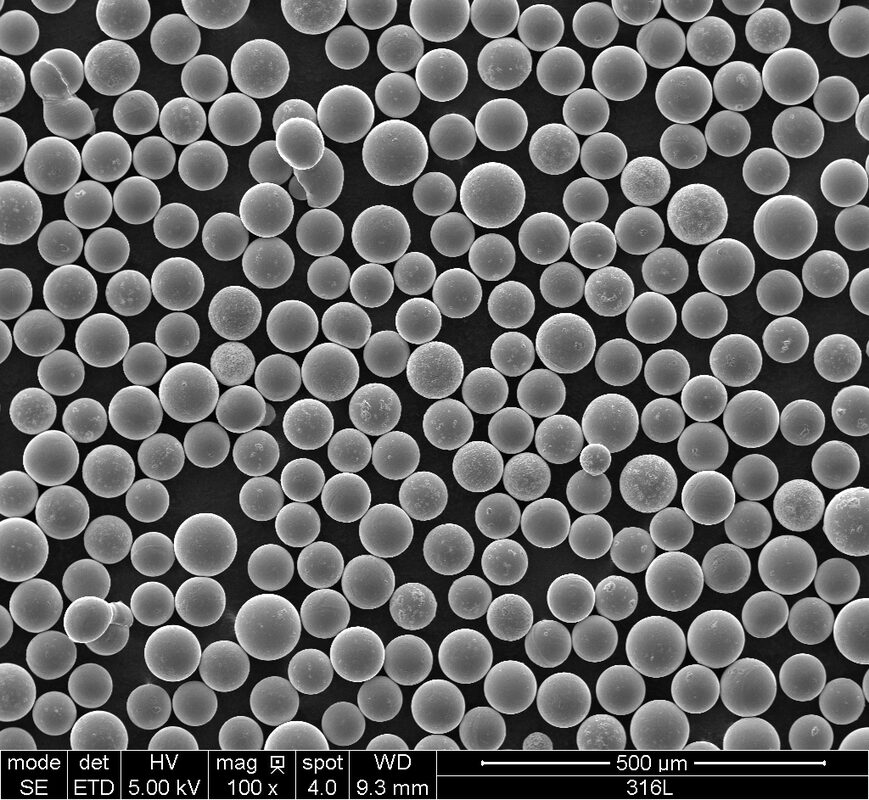
Italian powder maker FOMAS Group has certified its MIMETE gas-atomized iron, nickel, and cobalt powders to ISO 19443, opening the door to nuclear turbine and heat-exchanger components alongside its aerospace and oil & gas business.
Vienna researchers used multiphoton lithography and a biodegradable resin to print 0.3mm cartilage scaffolds that restored ~91% of natural cartilage thickness in a 12-week rabbit knee study.
Selle Italia's new Unica saddle line keeps the same molded shell for everyone but 3D prints a unique internal lattice for each rider from their own pressure-mapping scan.
Bambu Lab is marking a year of security work with ISO 27001, ISO 27701, and TRUSTe certifications, a growing bug bounty program, and a new public Security Update portal for tracking fixes.
ELEGOO DAY 2026 brought Nexprint, a Text/Image-to-3D generation platform, a beefed-up $1M Creator Fund paying up to $300 per model, and a storewide printer sale through September 29.
Generative-3D startup Tripo AI closed a ~$445–447M Series B/B+ led by MPCi and unveiled Tripo P2.0, which it says is the first text/image-to-3D foundation model to output clean quad meshes instead of only triangles.
3D Printing Industry ran six practical modeling tests on Meshy AI's text/image-to-3D generator and found fast, printable-after-repair output undercut by bloated polygon counts and a 2.918mm calibration-cube error.
QuesTek's new Niobium Suite drops an ARPA-E-built CALPHAD database for C-103 and next-gen niobium superalloys into its cloud ICMD platform, built with CBMM and aimed at the engineers qualifying refractory parts for jet engines, in-space thrusters and metal AM.
Prusa Research's alpha11 build tears up PrusaSlicer's decade-old codebase for multi-bed projects, a Lua plugin system, and a fully offline mode built for firewalled shops — but SLA slicing and third-party profiles aren't in yet.
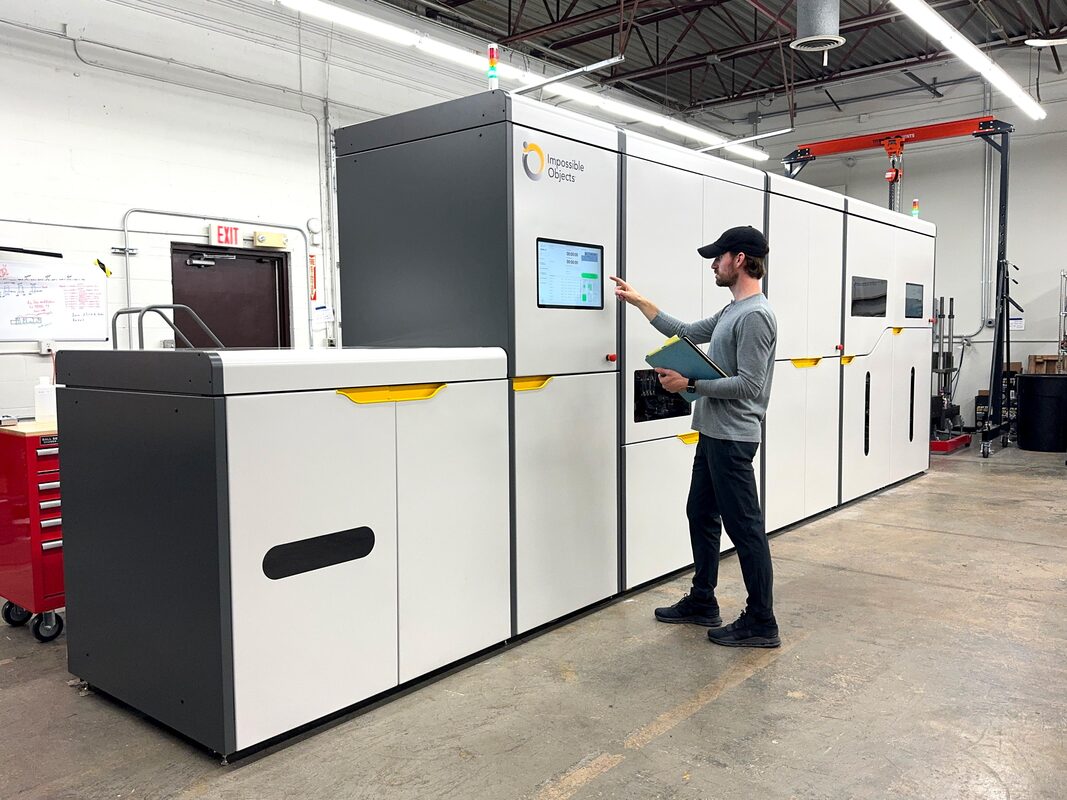
Impossible Objects has closed a $40 million Series B led by Inflection Equity to scale production of its CBAM 25 composite 3D printer, which the company says prints 15 times faster than competing systems.
Printreon's new Patreon-style beta lets vetted 3D designers sell STL/3MF/OBJ files through tiered subscriptions with Stripe payouts, taking a 10% cut of revenue.
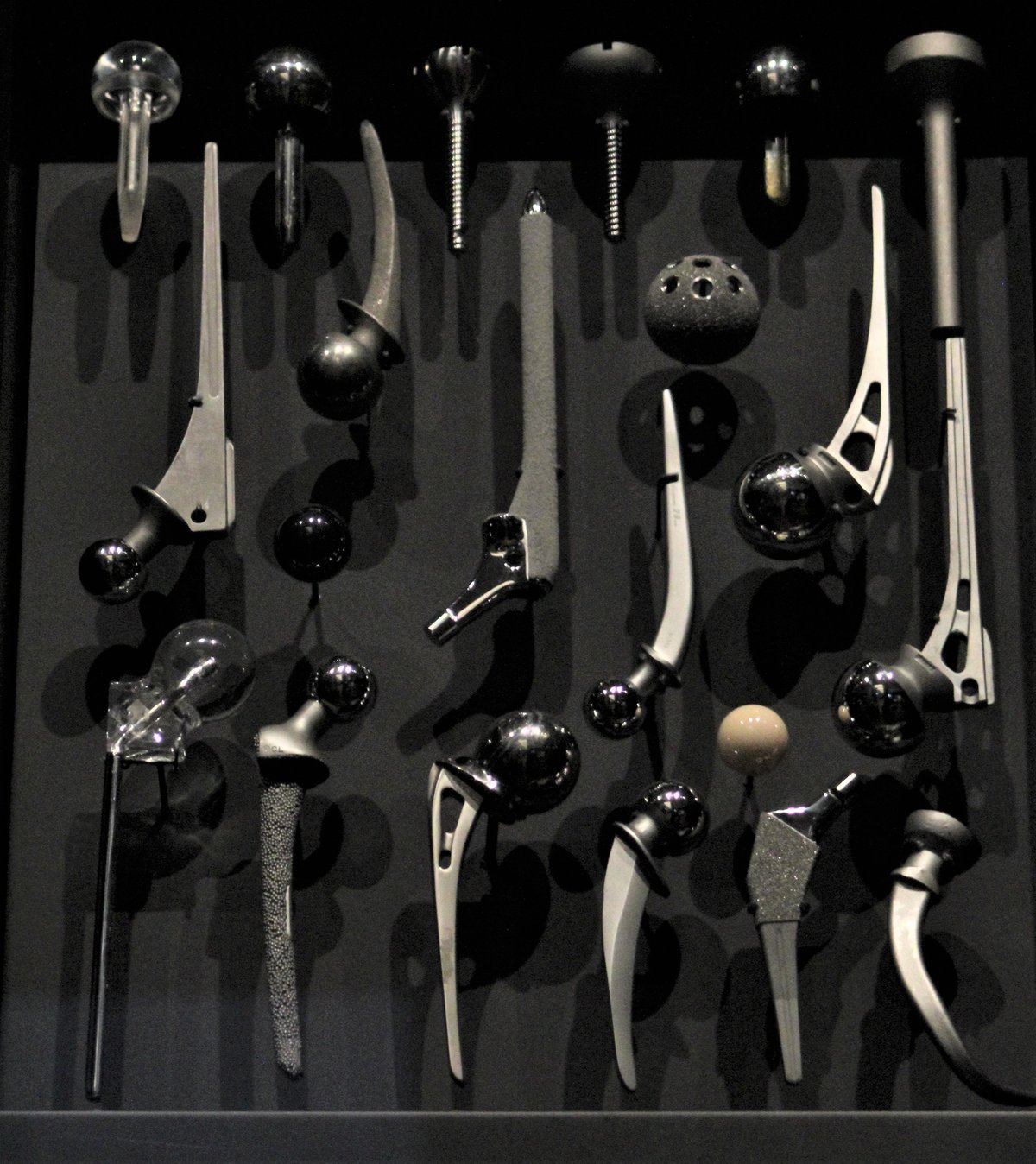
Orthopedic implant maker restor3d debuted MyFit, a patient app pairing SMS updates and 3D visualization of a patient's implant with a five-year, ~2,250-patient outcomes registry.
Stratasys unveiled the F870, a 1000x610x610mm fully heated-chamber FDM printer aimed at factory tooling, with Toyota and Rivian already evaluating it ahead of its IMTS 2026 debut in Chicago.
Hike Medical closed $22.5M in seed and Series A funding to grow its Peoria, Illinois print farm — 600+ printers running continuously, custom orthotics from a smartphone scan in about five business days.
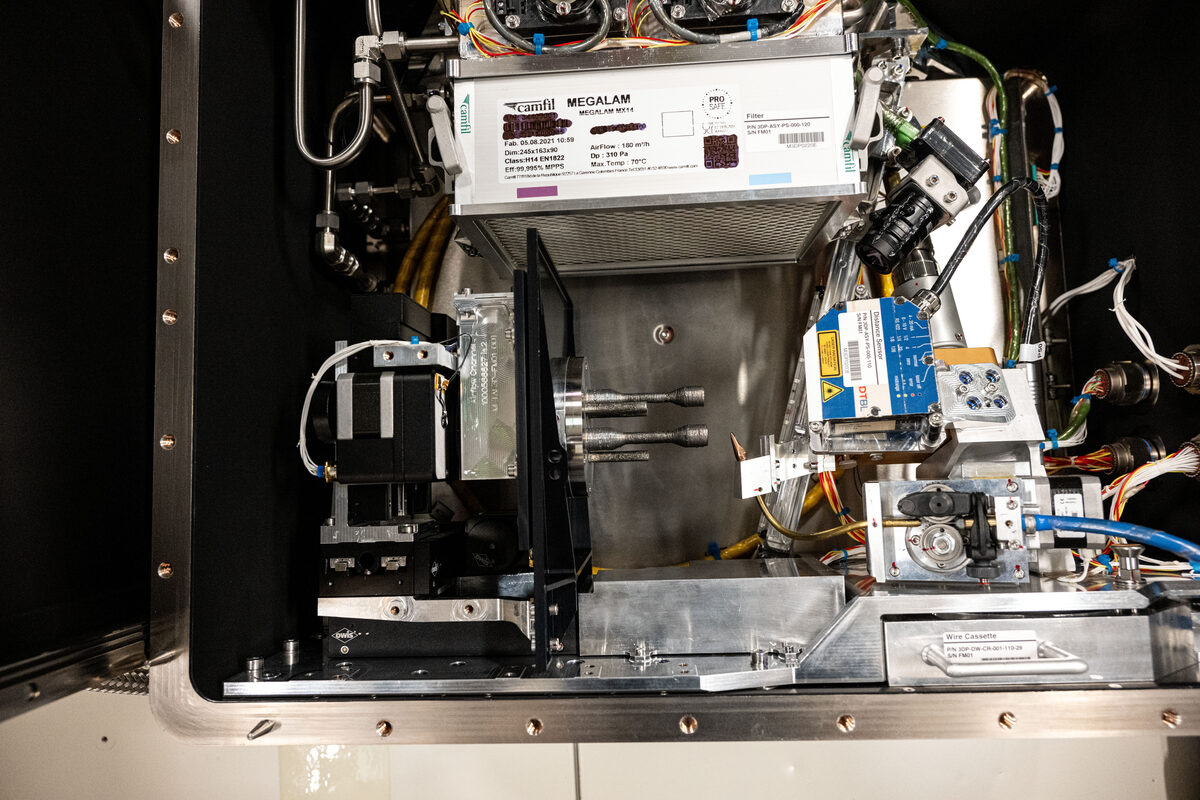
Spanish wire-laser DED maker Meltio now builds its turnkey ABB-arm Robot Cell in New Britain, CT with integrator FORCE Automation, trading transatlantic freight and customs queues for a plug-in cell aimed squarely at US aerospace, energy and defense shops.
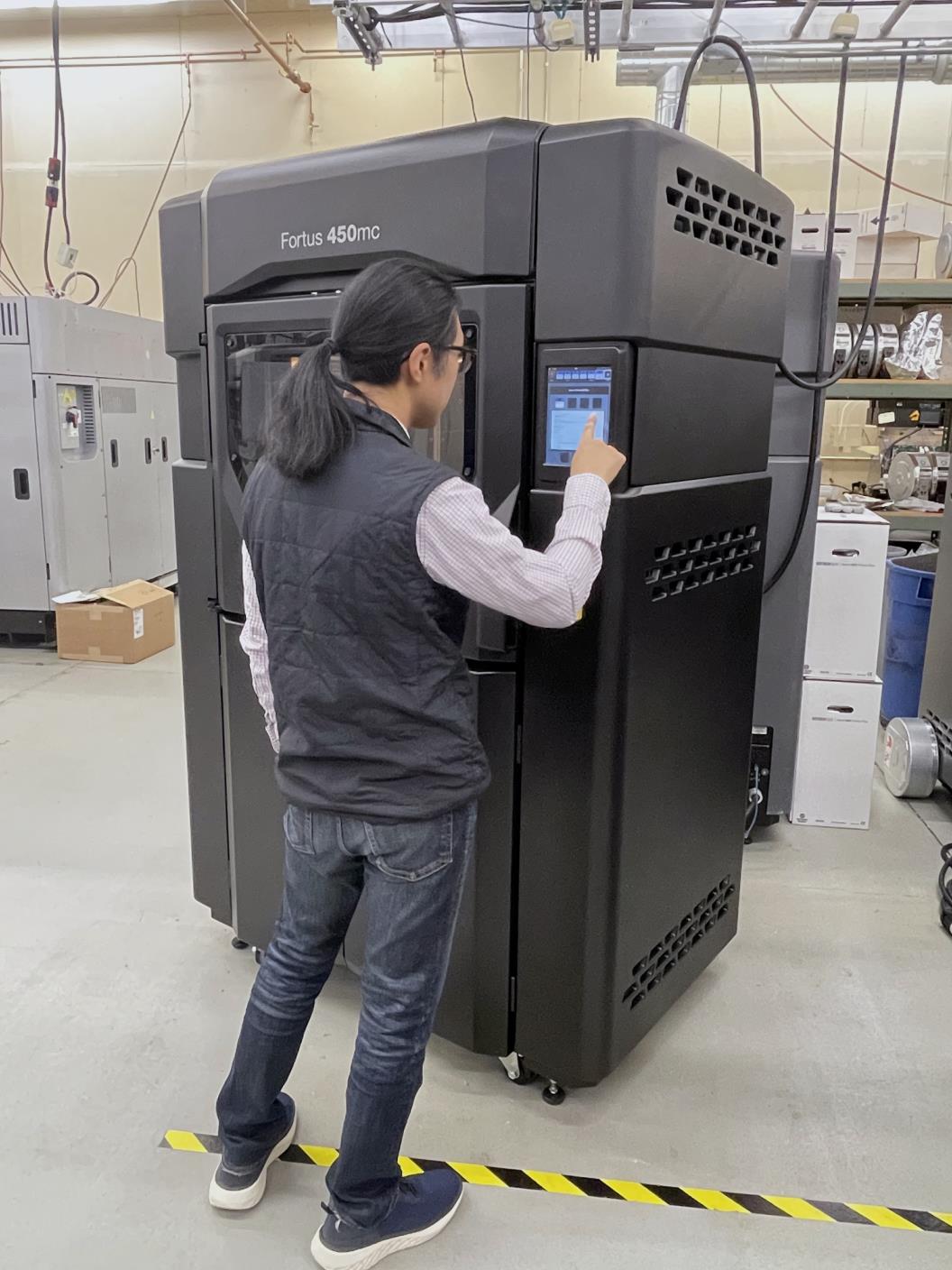
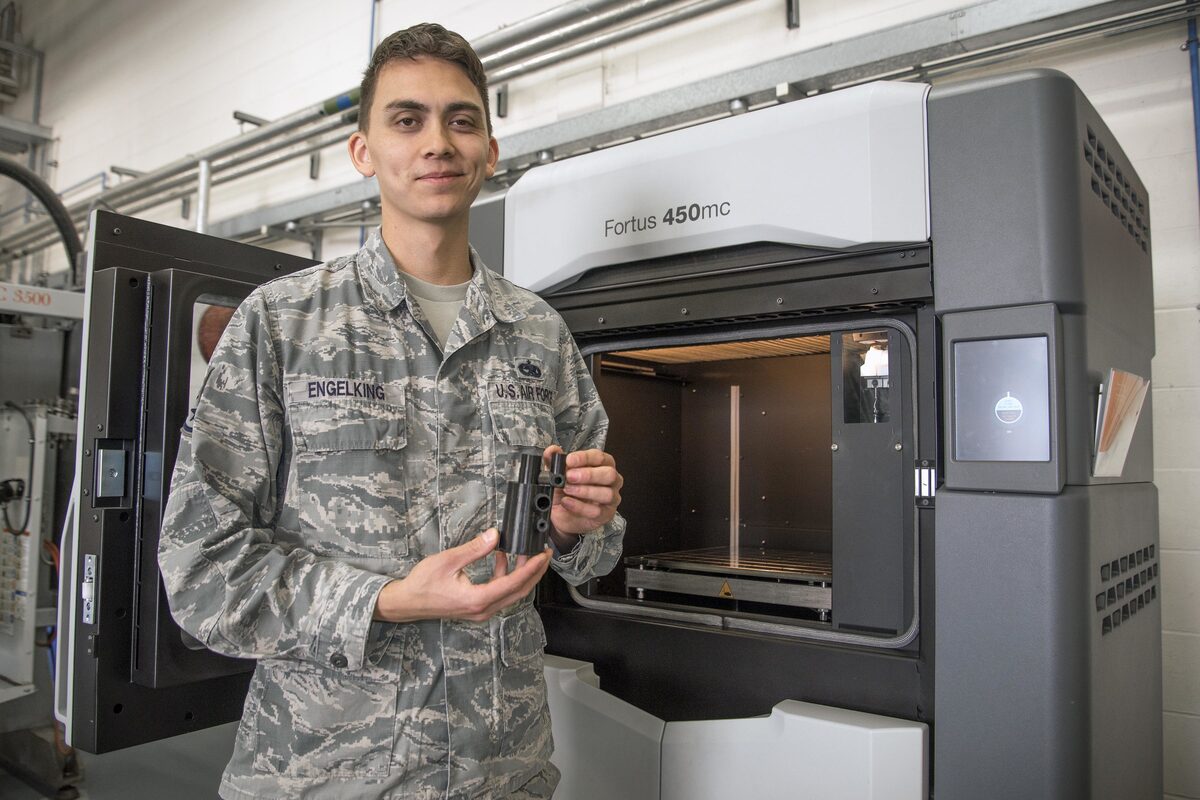
My Tech Fun's head-to-head found desktop PC-ABS from a Prusa Core One L and Bambu Lab H2D nearly matched a six-figure Stratasys Fortus 450mc on strength and beat it on looks, with dimensional accuracy the industrial machine's only clear win.
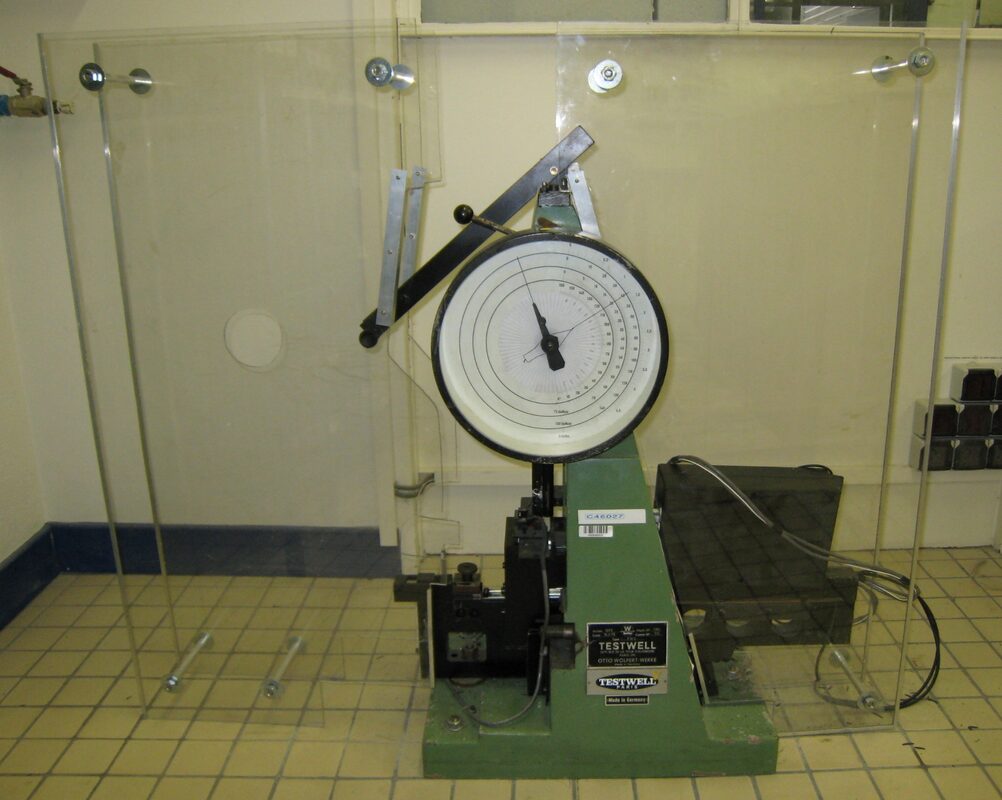
A side-by-side Izod impact test on matched Fiberlogy PETG and PCTG spools shows PCTG bending instead of snapping — but that toughness comes with ASA-like print temperatures.
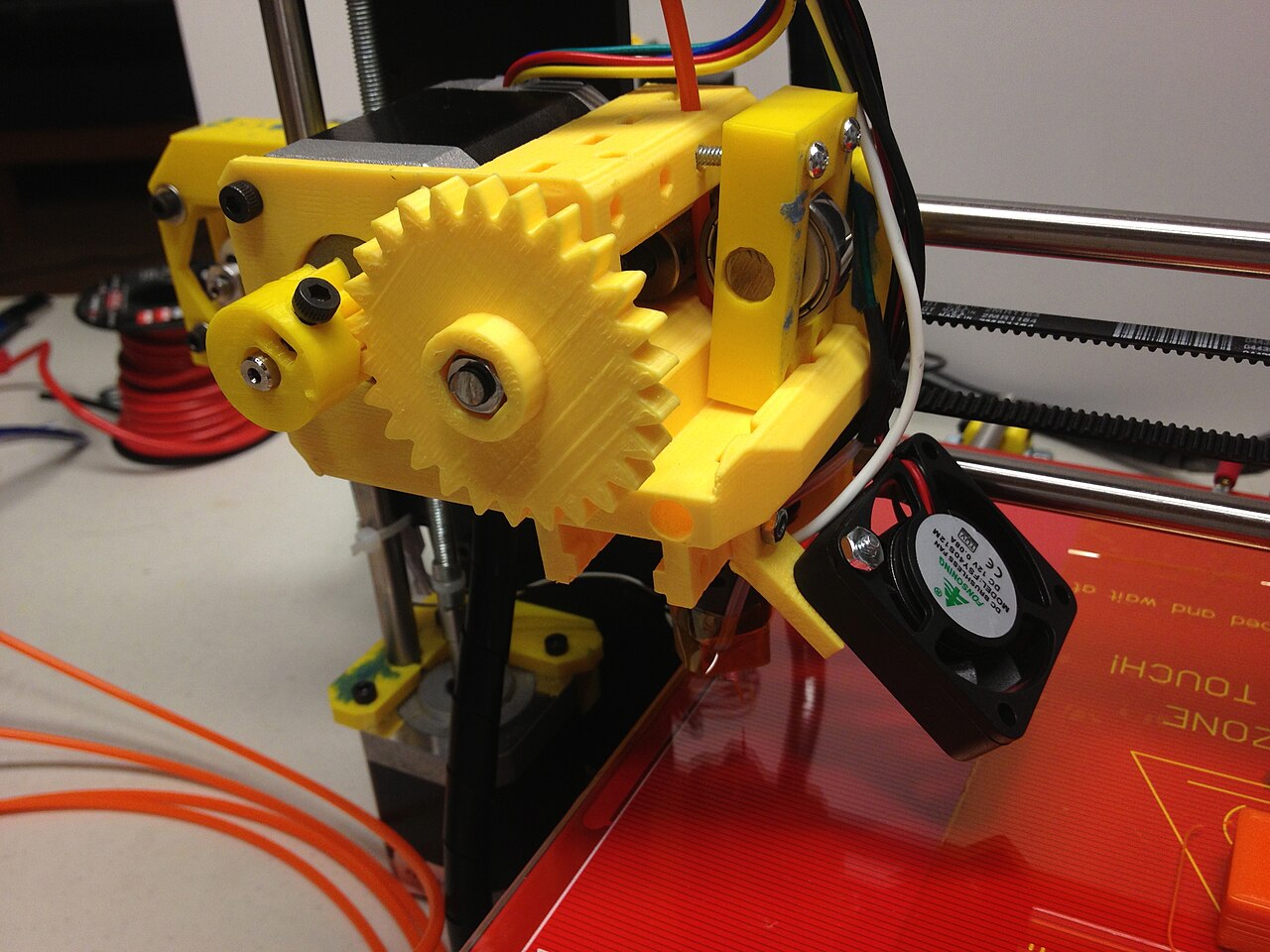
A Hackaday analysis argues consumer FDM has stalled mechanically since 2020 even as color and tool-changing trickle down to budget machines — so is it time to look past the nozzle?
Building on his laser layer-adhesion work, YouTuber 'I Changed a Thing' bolted two diode lasers to an FDM printer's X-axis to remelt top surfaces near vapor-smoothed quality with no chemicals, though wall smoothing remains a much harder problem.
A syringe-pump extruder and a mineral-oil-and-fumed-silica support gel let a maker embedded-print a two-part-epoxy Benchy, hinting at FDM printing with materials no ordinary hot end can touch.
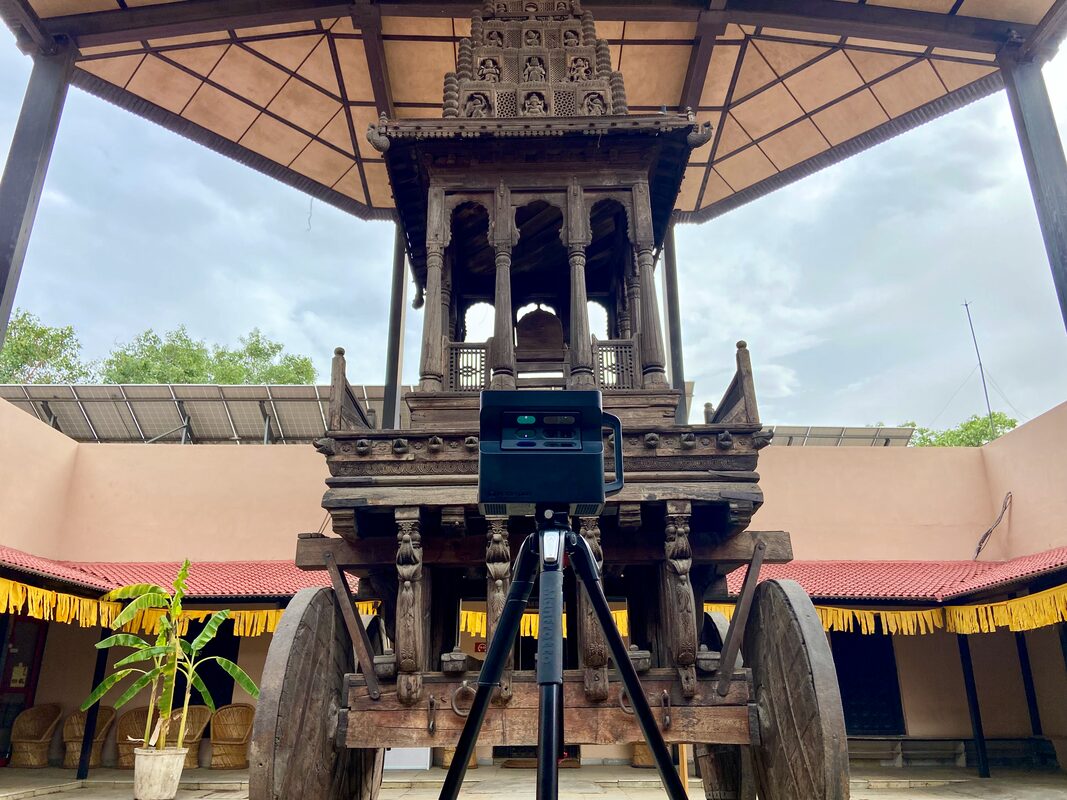
Somerset's library 3D printing service scanned a 1,700-year-old gold Roman signet ring with a Creality Sermoon P1 and printed a handling replica so museum visitors can hold what the fragile original can't survive touching.
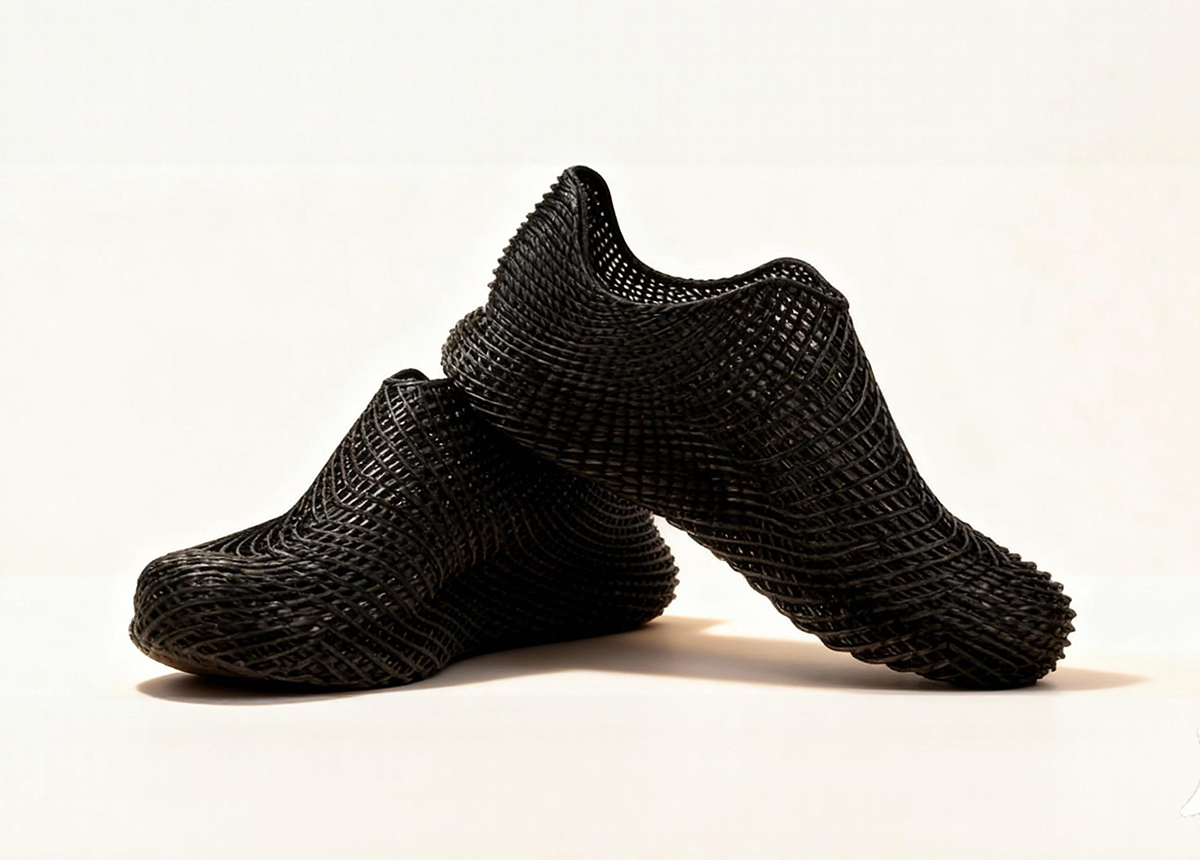
iSUN3D, a division of filament maker eSUN, is showing 3D printed footwear at MICAM Milano built with FlexOne, a single-component elastic resin designed to make printed shoes commercially scalable.
Apple's new foldable iPhone Duo hides a 3D-printed, 100 percent recycled Grade 5 titanium hinge cover made from more than 100 components with a micro-blasted finish — another high-profile win for metal additive manufacturing in consumer electronics.
America Makes awarded EWI $13.2M for a three-year project combining real-time build monitoring with AI-assisted inspection to speed up quality verification for metal AM parts destined for defense certification.
GKN Aerospace's EUR13.6M Project Otto pairs a Swedish FMV-backed UAV demonstrator with a 3D-printed propulsion system built to carry no ITAR-controlled parts, targeting first flight by early 2027.
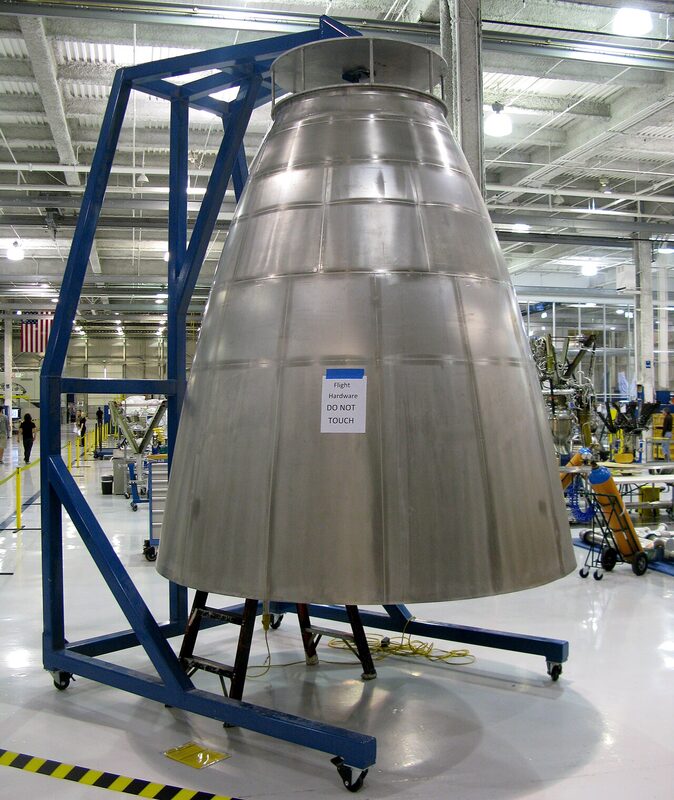
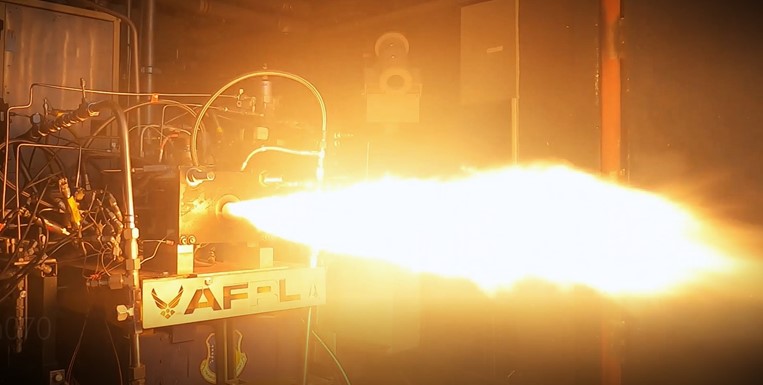
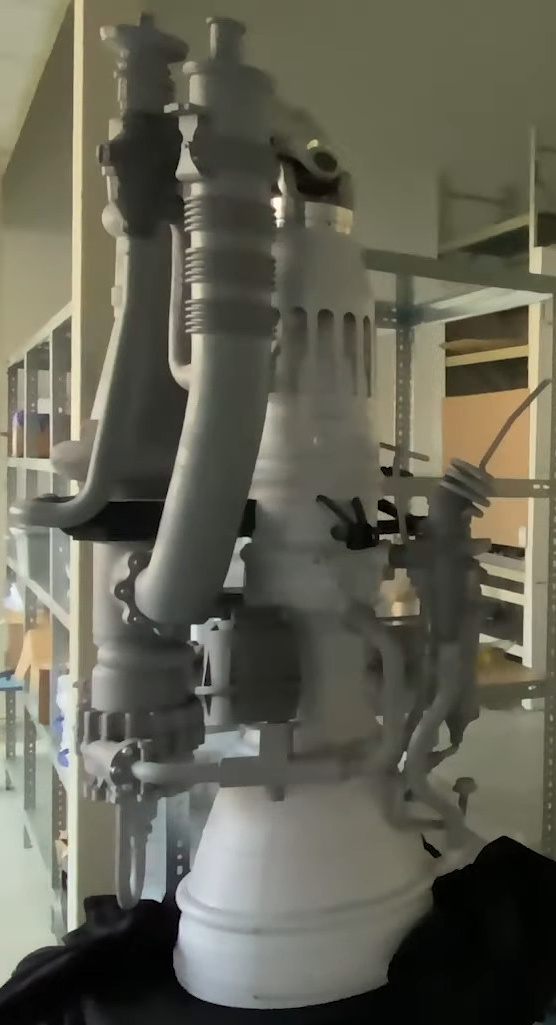
Isar Aerospace's Spectrum rocket reached orbit on September 5, 2026, powered by Aquila engines whose thrust chambers are additively manufactured on a custom AMCM M 450 / EOS M 290 metal-printing setup.
A McGill/Drexel team took the 2026 Ig Nobel Technology Prize for fitting a dead mosquito's proboscis onto a standard dispense tip and extruding 20-micron bioink lines, about 250% finer than commercial nozzles, biodegradable and reusable.
·By FilamentFeed Staff
Get notified when new coverage drops.
Free. We email you when we publish — no calendar-driven filler.