
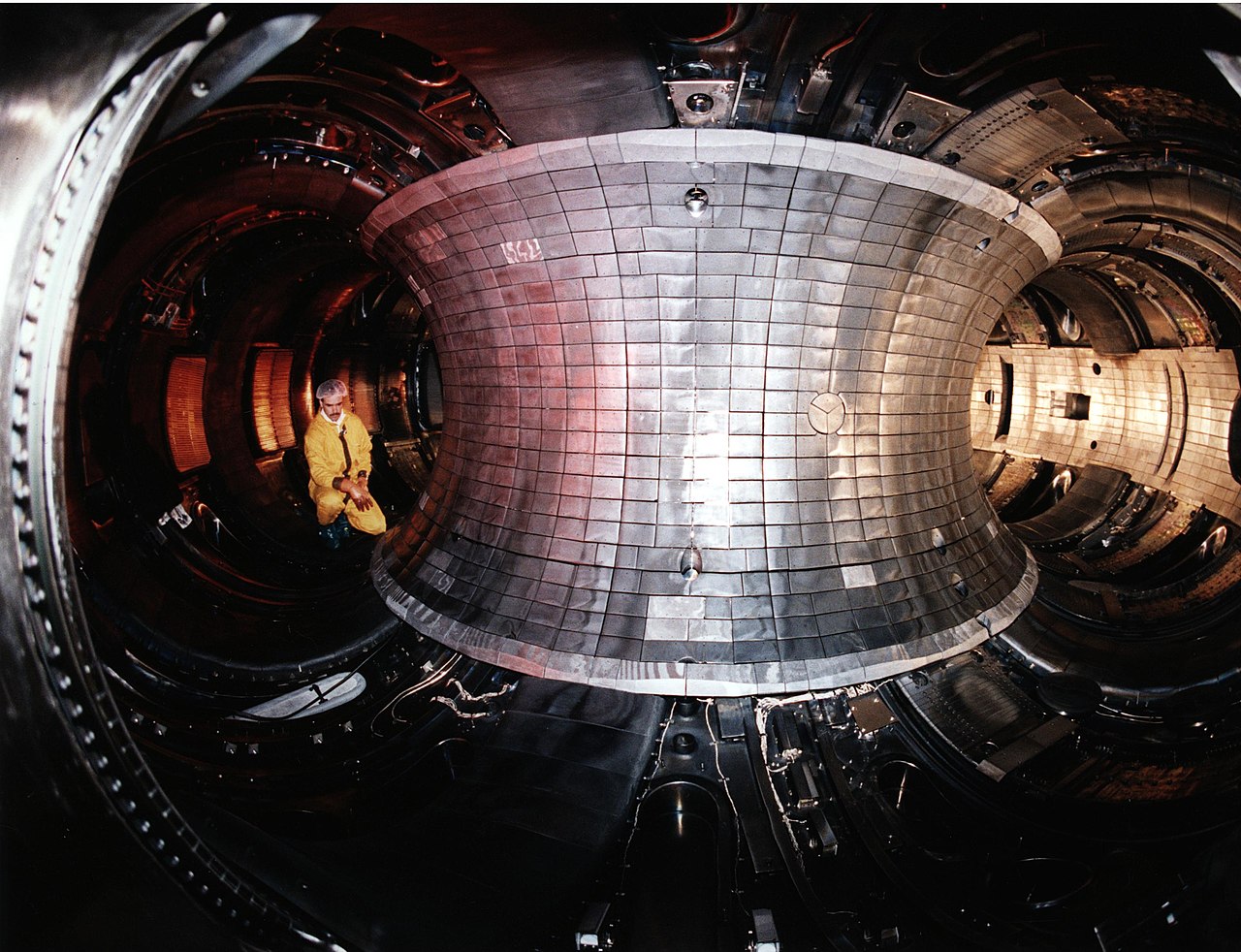
Most metal powder-bed machines work on one assumption: every layer is one alloy, spread edge to edge. The University of Turku in Finland is now working without it. According to TCT Magazine's October 26 report, the university has fitted a Schaeffler Aerosint SPD2.1-B5 multi-material recoater to its Aconity MIDI+ laser powder bed fusion (LPBF) system. The goal is parts that are heat-resistant metal in one place and heat-conducting metal in another, in the same layer of the same build. The intended hardware includes plasma generators, plasma-facing components for fusion and aerospace propulsion.
The upgrade is funded through the EUREKA Network's AM4Plasma project. It is a research tool, not a commercial product, but it addresses one of the harder problems in metal additive manufacturing, and the problem is worth understanding even if you will never get near a laser powder bed.
How a Three-Drum Recoater Changes the Layer
In conventional single-material LPBF, a recoater spreads one type of metal powder across the build area, the laser melts the cross-section, the plate drops, and the cycle repeats. Within a layer there is only one material.
The Aerosint unit works differently. TCT describes it as having three separate powder-delivery drums, each depositing a different powder into selected regions of the same layer before the laser processes it. The layer is laid down as a pattern: one powder where the part needs one property, another powder where it needs a different one. The laser then fuses the whole composite layer.
For anyone who has run a multi-material FDM printer, the closest comparison is a tool changer or multi-filament system laying down two materials on one layer. The comparison only goes so far. In FDM, two thermoplastics placed side by side usually just have to stick to each other. In LPBF, two metals placed side by side are melted by the same laser at the boundary. What happens at that boundary is the actual research question.
Why Plasma Hardware Needs Two Metals at Once
The project's full name explains the target application: AM4Plasma stands for "Laser powder-bed-fusion Additive-Manufacturing of complex multi-material Refractory-Copper Plasma generation devices." In a November 2025 press release announcing the project, the university said plasma generator components in high-power plasma spray technology must withstand heat fluxes exceeding 17 MW/m², similar to those found in nuclear fusion reactor walls.
The release says these parts combine high-thermal-conductivity copper with ultra-high-temperature refractory metals such as tungsten, molybdenum, tantalum and niobium, and that conventional manufacturing cannot reliably combine such metals or produce architectures like conformal cooling channels and functionally graded interfaces. In short, the design pairs a refractory region that takes the heat with a copper region that moves it away.
TCT's example spells out the design logic. One region of a part could withstand intense thermal exposure, while another transfers heat towards cooling channels. Cooling channels are already a strong argument for additive manufacturing, because internal passages that follow a part's contours are difficult or impossible to machine. Printing the channel, the conductive body and the heat-resistant region in one process is the prize the project is chasing.
The Hard Part: The Interface
Placing two powders side by side is the easy step. Melting them together into a sound part is much harder. TCT reports that the Turku team will study laser-material interactions, melting and solidification, bonding between neighbouring materials, and cracking and other defects, along with suitable material combinations, processing conditions and interface quality.
Ganvir put the logic this way: "Multi-material manufacturing allows us to ask which material is needed in each region of a component and how those materials can work together." The press release calls the integration of copper's thermal conductivity with the strength and temperature resistance of refractory alloys "one of the toughest frontiers in metal additive manufacturing." Whether neighbouring regions actually bond, rather than just sit next to each other, has to be shown by testing, not assumed.
The press release also shows one sign the team can already print two metals in one build: a dual-metal University of Turku logo, made by doctoral researcher Ammar Anjum on the Aconity MIDI+, combining copper and nickel alloys. That is a demonstration piece, not plasma hardware. Associate Professor Ashish Ganvir, the project's principal investigator, discussed the research with TCT.
The Project Behind the Machine
AM4Plasma carries a EUREKA label and a total budget of 5.5 million euros. It runs from 1 February 2026 to 31 January 2029. Turku's share is 1.5 million euros, supported by Business Finland's Co-Innovation programme. Partners come from Finland, Canada, Austria, Belgium, Poland and Sweden, and Schaeffler Aerosint SA of Belgium is among them.
That timeline matters for reading this news. The project is only months into a three-year run, and the recoater integration provides the research capability. It is not a finished result. The interesting results will be the process windows, interface microstructures and defect studies the team publishes as the work progresses.
What It Means for Makers
Nobody will be printing tungsten-copper plasma nozzles in a garage, and this hardware is not meant for hobbyists. It is still worth watching for three reasons.
First, it changes the design question. Most makers start by choosing one material and designing the geometry around it. Multi-material processes like this one let a designer assign properties region by region, and that way of thinking applies at every scale. If you have ever printed a rigid part with flexible TPU grips, or a part with a conductive filament trace, you have done a small version of the same thing.
Second, interface problems tend to look similar across processes. Weak bonding between dissimilar materials and cracks that start at material boundaries are familiar to anyone who prints multi-material polymer parts, at lower temperatures and with less dramatic consequences. Research that explains how metal interfaces fail, and how to arrange materials to prevent it, adds to the general understanding of how to design across a material boundary.
Third, it is a reminder that laser powder bed fusion is growing beyond its single-alloy origins. TCT notes that the university is also creating opportunities for researcher training and collaboration with industrial partners interested in multi-material manufacturing, which is how capabilities like this usually start to spread.
Bottom Line
Turku has added a three-drum Schaeffler Aerosint recoater to an Aconity MIDI+ so it can research components that are refractory metal where the heat arrives and copper where it needs to leave. The machine is in place and the lab has already shown a copper-nickel print. The real work, making those metal interfaces survive heat fluxes comparable to a fusion reactor wall, is now underway and runs until early 2029.
