
3DEO, the Torrance, California metal binder-jetting company that positioned itself as a pioneer of mass-production metal 3D printing, has filed for insolvency under California law and put substantially all of its intellectual property portfolio up for sale, according to a press release announcing the engagement of Brian Testo Associates, LLC to run the sale. Insolvency Services Group is acting as assignee for the benefit of creditors, and a stalking-horse bid of $3,426,507 is already on the table for a package that includes 3DEO's patents, trademarks, trade secrets, proprietary software, qualified materials data, and certain machinery and equipment.
The wind-down marks one of the more consequential closures the metal additive manufacturing sector has seen this year. 3DEO wasn't a hobbyist name, but its underlying technology — a hybrid process that alternates layers of binder jetting with in-process CNC milling — has been cited for years as one of the more credible attempts to get 3D printed metal parts to true production tolerances without a secondary machining pass.
What Was Intelligent Layering, and Why Did It Matter
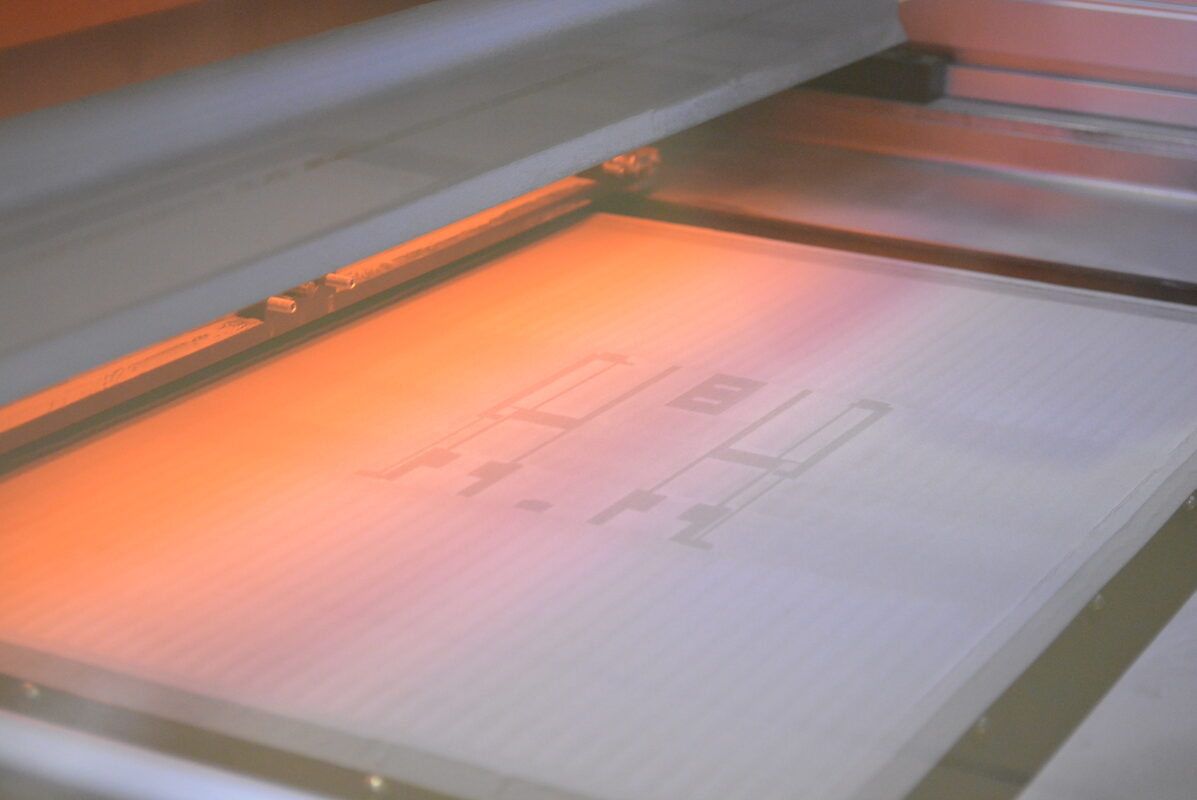
3DEO's core technology, branded Intelligent Layering, combined binder jetting with layer-by-layer CNC milling of the green part before sintering. Instead of printing a full geometry and hoping post-processing could clean up staircasing and dimensional drift, the process cut each layer to a finished profile as it was built, then moved on. According to the press release, the result was parts holding tolerances as tight as ±0.002 inches with a 100 Ra surface finish straight off the machine — figures that put finished, unmachined binder-jet parts in the same conversation as CNC-machined or metal-injection-molded components, without the tooling lead time of MIM or the per-part machining cost of subtractive manufacturing.
That combination is why 3DEO's IP is more than a stack of paper. The patents cover the hybrid process itself, but the sale also includes the less glamorous — and arguably more valuable — layer underneath it: proprietary slicing and cutting-path software that coordinates the print/mill sequence, plus sintering profiles and shrinkage data qualified across four metal alloys. Anyone who has tuned a binder-jet or MIM process knows that shrinkage compensation data, built up through real production runs, is often the hardest part to reverse-engineer from scratch. That's the kind of asset a patent filing alone doesn't capture, and it's explicitly called out as part of this deal.
How the Sale Is Structured
The IP sale is being run as a stalking-horse auction, a standard insolvency mechanism in which an initial bidder sets a floor price and terms that other qualified bidders must beat. Key dates, per the press release and a TCT Magazine report published July 27, 2026:
- Qualified overbids are due August 12, 2026, at 12:00pm PST, and must be accompanied by a 10% earnest-money deposit.
- If competing bids come in, a live auction will be held over Zoom on August 14, 2026.
- Prospective bidders must meet U.S. export-control requirements and sign a non-disclosure agreement before getting access to diligence materials — unsurprising given that metal additive manufacturing process data of this kind can touch ITAR- or EAR-controlled categories depending on end use.
Separately, and on a different timeline, 3DEO's remaining machinery and equipment is being auctioned off lot-by-lot through BidSpotter.com, an online industrial-auction platform. That sale opened July 24, 2026 and runs through August 18, 2026 at 10:00am. Splitting the IP sale from the bulk of the hardware — one a negotiated stalking-horse deal that also folds in certain machinery, the other an open online bidding event for what's left — suggests the assignee sees more strategic value in the patents and software than in the printers and mills themselves, which will likely draw buyers looking for used capital equipment rather than a going concern.
TCT Magazine's report confirms the structure independently: Insolvency Services Group is acting as the assignee for the benefit of creditors of 3DEO under California law, a common alternative to formal Chapter 7 or Chapter 11 bankruptcy that lets an appointed assignee liquidate assets outside federal bankruptcy court. The outlet reiterates the same asset list — patents, trademarks, trade secrets, software, qualified materials data, and the machinery fleet — and the same $3.427 million opening bid and August 12 deadline, giving the numbers independent corroboration beyond the company's own release.
What It Means for Makers
Nobody reading this is going to bid $3.4 million on a patent portfolio over a lunch break, so the practical question is what happens to the technology from here. A few things are worth watching:
The IP could resurface under a new owner. Stalking-horse sales in insolvency are designed to keep value intact rather than scatter it — a buyer that wants to actually practice the Intelligent Layering process (rather than just shelve the patents defensively) would need the software, the alloy-specific sintering data, and likely some of the machinery too. If a metal AM player, a MIM shop looking to diversify, or a machine tool OEM picks up the full package, the technology doesn't disappear — it just changes hands.
Used metal AM equipment is about to hit the market. The BidSpotter machinery auction, running independently of the IP sale, means 3DEO's binder-jet printers, CNC integration hardware, and sintering furnaces will be sold piecemeal to whoever shows up and bids. For metal AM shops or research labs watching equipment costs, that's a source of secondary-market hardware worth tracking, even if it's not turnkey without the accompanying process software.
It's a data point on binder-jet metal AM's business reality, not its technical merit. Insolvency filings are financial and operational failures as often as they are technology failures — nothing in either source attributes the shutdown to a flaw in the Intelligent Layering process itself. But it does add to a pattern makers and manufacturing engineers should keep an eye on: metal binder jetting has proven the physics repeatedly over the past decade, yet several of the companies built around it have struggled to translate that into a durable business at scale. Whoever ends up owning 3DEO's patents and data will inherit a technically credible process — the harder problem, which sank the last owner, is turning it into a sustainable company.
