
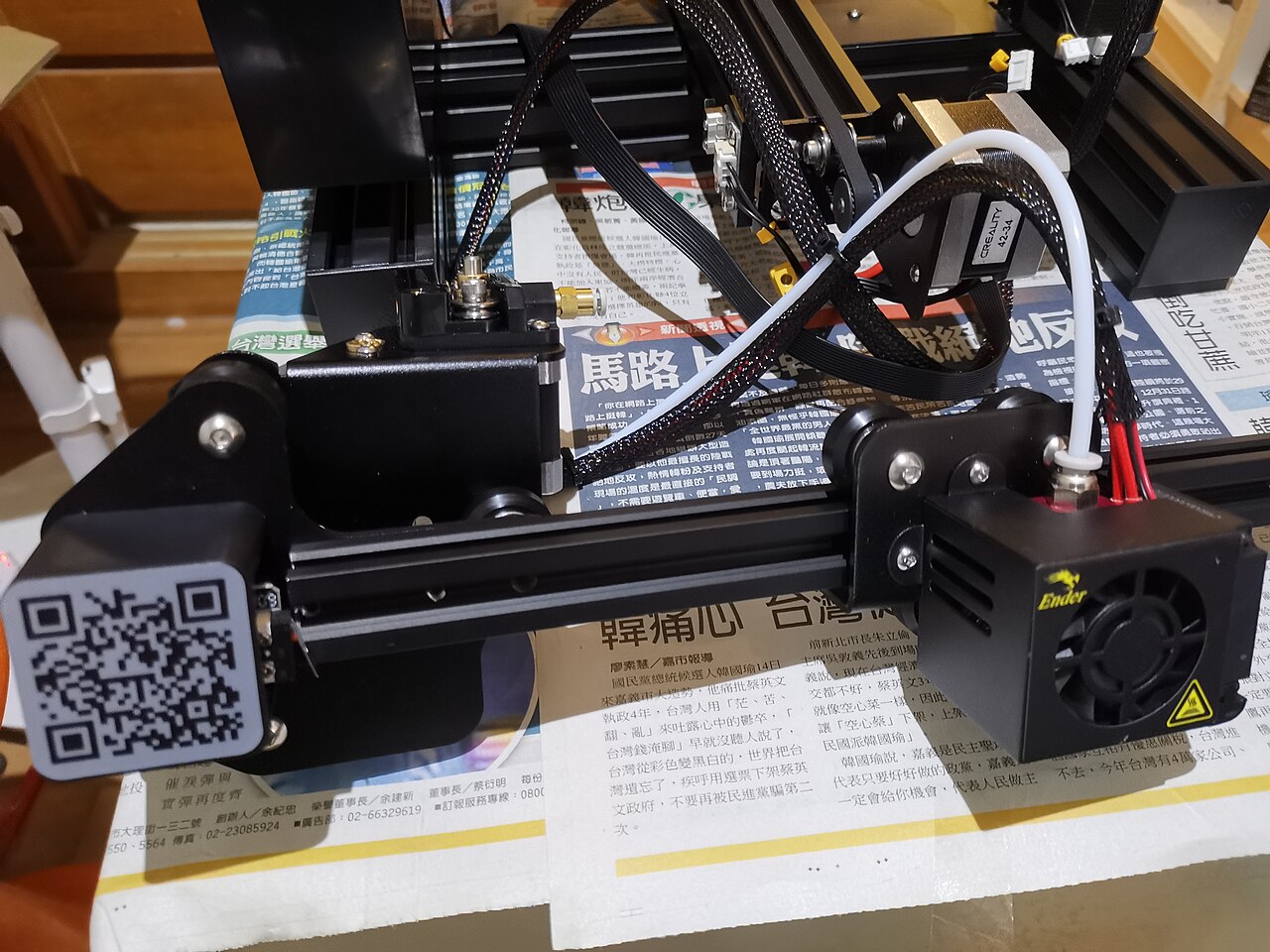
The 3D printer market is growing at both ends at once. According to quarterly data released by analyst firm CONTEXT on October 13, 2026, global 3D printer hardware revenue rose 31% year over year in the second quarter of 2026, and three of the four price classes the firm tracks shipped more units than a year earlier. The bigger structural story is the revenue mix: entry-level machines, those priced at $2,500 or less, now account for 49% of trailing-twelve-month hardware revenue, against 41% for industrial systems. The hobbyist tier is no longer the cheap end of the business. By revenue, it is the largest single part of it.
Two Engines, Running Hot
The headline number hides two very different growth stories. Industrial revenue climbed 40% in Q2 and 23% on a trailing-twelve-month basis. Entry-level revenue rose 36% in the quarter and 33% over the trailing twelve months. On a quarterly basis, then, the industrial segment grew a little faster. Over the longer window, the entry-level end grew faster, and from a base that is already larger.
Industrial units rose 25%, the fourth consecutive quarter of growth for the class, which CONTEXT frames as a sustained rebound. Metal is doing much of the work. Metal systems made up 53% of industrial units shipped and 75% of industrial revenue, and metal revenue rose 51% year over year. Polymer is growing too, with industrial polymer unit shipments up 16%, but the revenue weight sits with metal platforms.
Chris Connery, CONTEXT's VP of Global Analysis, tied that industrial demand to specific end markets. As TCT Magazine reported, he pointed to rockets, data centre infrastructure, mobile consumer electronics devices and drones as drivers of current demand.
The Squeezed Middle
Between the two booming classes, the picture is mixed. Midrange systems, priced from $20,000 to $100,000, grew units 8% and revenue 3%. Within that band, polymer SLS shipments rose 38%, which suggests powder-bed polymer machines are finding buyers even as the rest of the midrange grows slowly.
The professional class, $2,500 to $20,000, is where the market is contracting. Units fell 13% and revenue fell 24%. It is the only one of the four classes to post a unit decline, and the revenue drop is steeper than the unit drop, which implies that average selling prices in the band are falling too.
CONTEXT attributes the decline to ongoing weakness in legacy FDM systems, and says the middle price bands continue to face pressure from entry-level systems cannibalizing traditional FDM/FFF demand. The case for spending several times more on a professional desktop machine narrows when a sub-$2,500 printer does the job. The professional tier has to justify itself on materials, reliability, service and workflow, and the Q2 numbers say fewer buyers are convinced.
Shenzhen's Market
Entry-level units rose 23% in the quarter. The geography and the concentration of that segment are stark. CONTEXT says China accounts for nearly 95% of global entry-level shipments over the trailing twelve months, and four vendors, Bambu Lab, Creality, Elegoo and Anycubic, which it calls the "Four Little Dragons of Shenzhen," together shipped 87% of global entry-level units in Q2.
Outside that group, a couple of names posted outsized growth. Flashforge shipments rose more than 70%. Snapmaker's rose nearly 3,000%, a figure that follows fulfillment of its U1 Kickstarter campaign. A jump of that size reflects a low starting base as much as anything, but it shows how quickly one shipped product can reshape a vendor's numbers in this segment.
Chinese exports of 3D printers grew 58% year over year in Q2 2026, bringing first-half exports to 3.9 million units. CONTEXT notes that part of the increase reflects seasonal inventory preparation for the Q4 holiday period, but says the surge highlights a potential gap between shipping volumes and end-market absorption, and that signs of potential market saturation are emerging. It also points to Creality's profit warning citing price competition, with essentially flat first-half 2026 revenue from 3D printer sales. CONTEXT adds that demand remains robust, supported by hobbyists expanding multi-printer setups and the spread of high-volume print farms, particularly in China.
What It Means for Makers
For people who buy and use entry-level printers, the data has several practical implications.
Your market is now the biggest revenue pool in the industry. With 49% of trailing-twelve-month hardware revenue, entry-level printing is no longer a side business for the companies that dominate it. That tends to mean continued investment in features, materials and software aimed at this tier, and continued pressure on prices.
Concentration cuts both ways. When four companies ship 87% of the units, their ecosystem decisions shape the experience of most makers: slicer software, firmware policies, cloud services, accessory formats and spare-parts supply. Competition among those four keeps prices sharp, but it also means fewer independent alternatives if one vendor makes a choice you dislike. Flashforge's and Snapmaker's growth shows there is still room for challengers, but the share figure shows how hard the field is to break into.
Watch the saturation signal. CONTEXT sees signs of potential saturation, and Creality has cited price competition. If that plays out, the familiar entry-level pattern of rapid model refreshes and aggressive launch pricing could shift toward discounting older inventory. CONTEXT also notes Bambu Lab and other major vendors expanding into adjacent categories such as laser engravers and UV printers. Buyers who are patient may benefit. Vendors who depend on volume growth may have a harder time.
The professional tier is under pressure. If you are weighing a $2,500-plus desktop machine, the Q2 numbers suggest vendors in that band are under real pricing pressure. That can mean better deals, but it is also worth weighing the long-term support outlook of any vendor in a shrinking class.
Industrial demand is real, and it is metal. For makers who work in or around manufacturing, the industrial numbers are a reminder that additive production is expanding into rockets, drones, data centre hardware and mobile devices. Metal accounting for three-quarters of industrial revenue says where the serious production money is going.
Bottom Line
The second quarter of 2026 confirms that the 3D printer market has split into two strong segments with a weak middle. Industrial units have now grown for four straight quarters, with metal driving the revenue, and the China-centered entry tier now generates nearly half of all hardware revenue. The professional desktop class is losing ground to both. Whether entry-level growth holds up against CONTEXT's saturation warning is the question to watch over the next few quarterly reports.
