
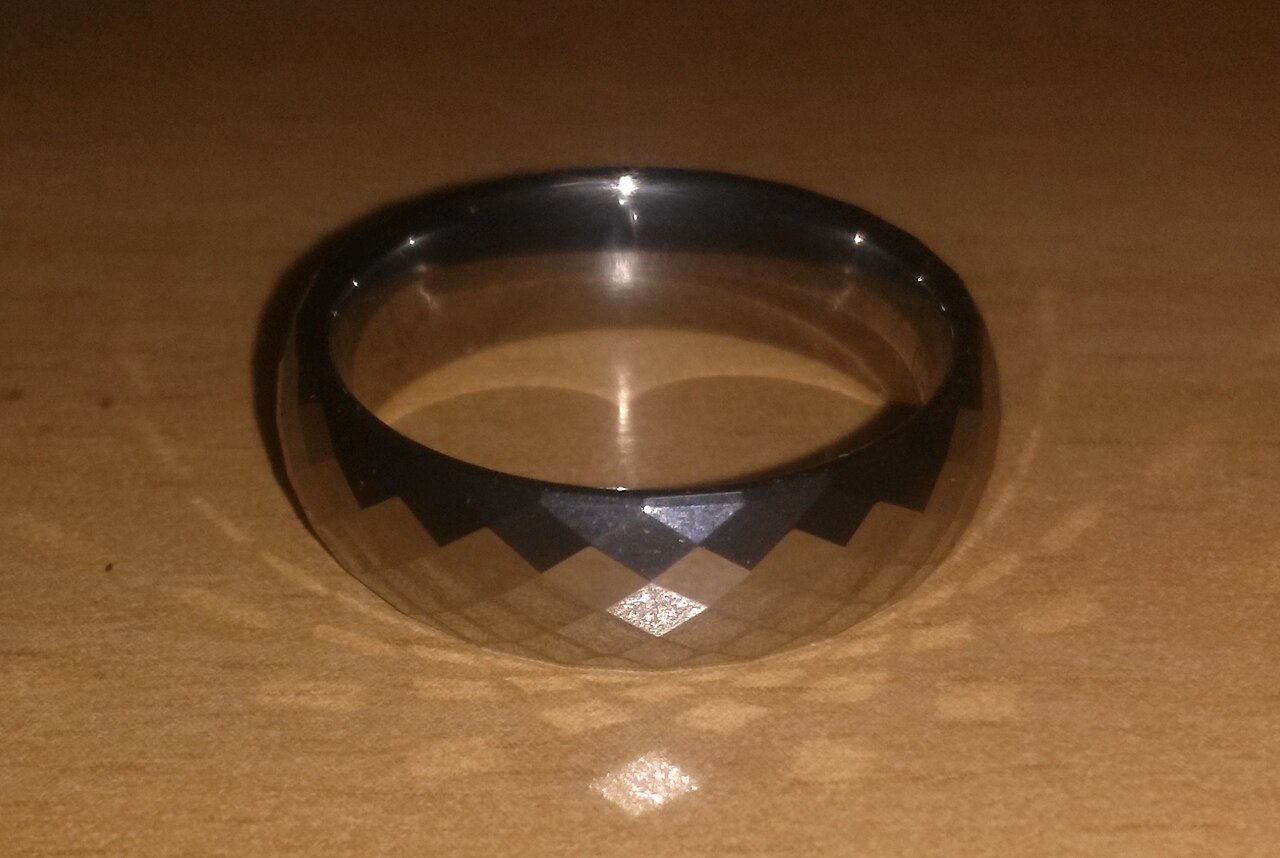
Tungsten carbide is one of the materials that makes modern manufacturing work, and it is also one of the hardest to shape. On October 28, 2026, HP Additive Manufacturing and Hyperion Materials & Technologies announced a strategic preferred partner agreement to expand commercial availability of tungsten carbide additive manufacturing. The two companies are trying to move binder-jet carbide out of the lab and into something customers can actually order. The deal rests on two concrete pieces. Hyperion has installed a new HP Metal Jet S100 at its production facility in Barcelona, and it has launched CarbiForm, a new line of tungsten carbide powders made for binder jetting.
Partnership announcements in additive manufacturing are common, and many amount to little more than a shared logo on a trade-show booth. This one has hardware on a factory floor and a named material product behind it. Below we cover what was announced, what is still unknown, and why makers outside the industrial tooling world might want to follow it.
What Was Actually Announced
The joint release, datelined Barcelona, gives a short list of specifics:
- Hardware: Hyperion installed an HP Metal Jet S100, HP's binder-jetting platform, at its Barcelona production facility in October 2026.
- Material: CarbiForm, a new line of ready-to-print tungsten carbide powders. Hyperion says they are designed for binder jetting and tested to work with HP's Metal Jet printer when paired with Hyperion's sintering operations.
- Process scope: The companies describe an integrated path that runs from application development and qualification through to serial production.
- People: Hyperion CTO Biju Varghese and Arvind Rangarajan, Head of Product & Strategy at HP Additive Manufacturing, are both quoted in the release, and VoxelMatters repeats their remarks in its coverage.
- Next step: HP plans to show the technology at Formnext in Frankfurt on November 17-20, with Hyperion representatives on hand to discuss prototyping.
According to VoxelMatters, the agreement is meant to widen commercial access to tungsten carbide AM for industrial customers worldwide, covering both production-ready components and rapid prototyping. The applications it highlights are complex geometries, consolidated and customized parts, shorter development cycles and better material utilization.
The materials do not include pricing, throughput figures, mechanical property data for CarbiForm parts, or a list of launch customers. Anyone evaluating the offering will have to ask Hyperion for those details directly.
Why Tungsten Carbide Is a Hard Problem
Readers who run FDM machines at home may never have handled tungsten carbide in powder form, but they have almost certainly used it. Carbide end mills, drill bits, wear inserts and cutting tools are everywhere in machine shops. The material's appeal is that it is extremely hard and holds up under wear. That same property makes it difficult to machine into complex shapes. Conventional carbide parts usually start as pressed powder, are sintered, and are then finished by grinding. This works well for simple shapes and becomes costly for intricate ones.
Binder jetting avoids part of that problem. It is a powder-bed process. A printhead deposits a liquid binding agent onto thin layers of powder and builds up a "green" part that is held together by the binder rather than fused by a laser. That green part is then sintered in a furnace, where it densifies into the final component. Because the shaping happens before sintering, geometries that would be expensive to grind become possible, including consolidated assemblies.
The catch is that the furnace is where binder-jet parts succeed or fail. This explains why the announcement repeatedly pairs HP's printer with Hyperion's sintering. CarbiForm is described as tested with HP Metal Jet when paired with Hyperion's sintering operations, not with the printer alone. In practice the powder, the print process and the furnace profile are one system, and the release presents them as a single package.
The Division of Labor
The structure of the partnership follows a familiar pattern in metal AM. HP supplies a production-oriented binder-jet platform. Hyperion supplies decades of hard-materials experience plus the downstream sintering and finishing. The release does not describe a turnkey carbide printer for sale. What it describes is a route from concept to production for customers who need carbide parts, with commercial manufacturing capability available through Hyperion on its HP Metal Jet S100.
The "application development and qualification to serial production" wording matters. Qualification is often the slowest and most expensive step in bringing an additively manufactured part into an industrial supply chain. The companies say they will work jointly with customers to identify and qualify applications where carbide AM offers technical and economic advantages. A dedicated machine at Hyperion's Barcelona site gives that pathway a physical location.
What It Means for Makers
To be clear, this is not a desktop story. A Metal Jet S100 is an industrial system, carbide sintering takes industrial furnaces, and nothing in the announcement points to CarbiForm powder being sold for hobbyist use. Even so, there are three reasons the deal matters to people who make things.
First, tooling. Many advanced makers run small CNC mills, routers or lathes next to their printers. Carbide tooling with unusual profiles or part consolidation is the kind of application the announced targets, complex geometries and consolidated parts, point toward. If binder-jet carbide reaches serial production, specialized tooling and wear parts could become easier to design around, and eventually easier to buy in small runs. That is our inference, not a claim by the companies.
Second, prototyping access. The partners explicitly mention rapid prototyping alongside production parts. For small engineering firms and well-equipped workshops, that suggests there may be a service path for getting carbide prototypes made without the cost of conventional carbide tooling. Hyperion has not published how that service will be priced or packaged.
Third, the pattern itself. Desktop 3D printing grew on the back of materials that were characterized, profiled and sold as ready to print. The industrial side is going through a similar shift. The phrase "ready-to-print powders" in Hyperion's release is industry shorthand for the same idea: users should not have to become materials scientists to get a part out of the machine. Each new material family that reaches that point extends what additive manufacturing can realistically be used for.
Bottom Line
The HP and Hyperion agreement is a concrete step rather than a speculative one. It comes with a machine installed in Barcelona, a named powder line in CarbiForm, and a stated path from qualification to serial production. Several important details remain undisclosed, including part properties, pricing, capacity and early customers, and those will decide whether binder-jet carbide becomes a niche service or a standard way to make hard, wear-critical parts. For now, the clearest signal is that a major binder-jet platform vendor and a carbide specialist have committed real equipment and a dedicated material to finding out.
