
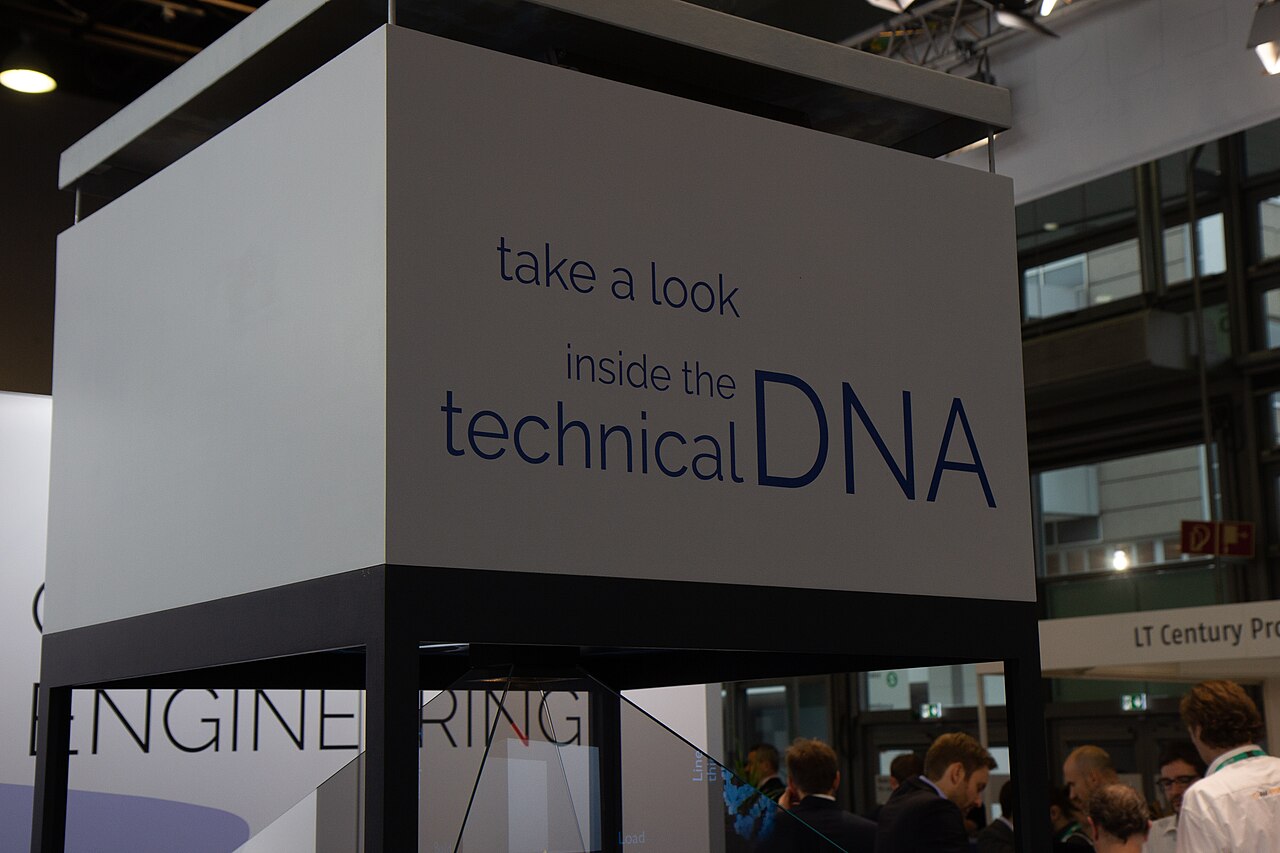
Formnext returns to Messe Frankfurt from 17 to 20 November. Every year the show floor is too big to walk end to end, so the useful question is not what will be there but which stands deserve an hour of your time. 3D Printing Industry's guide to featured exhibitors narrows the field, and for makers, print-farm operators and small production shops it points to a short, coherent route. Nearly every stop on it sits in Hall 12.1, with one major announcement next door in Hall 12.0. This preview takes that guide stand by stand, explains why each one matters for people who run printers rather than buy them by the dozen, and lists the questions worth asking before you leave each booth.
This piece looks at one slice of the show: what happens to a polymer part, and to its waste, after the printer stops.
Start With the Waste Stream: 3devo, Hall 12.1, B139
The stand most likely to interest FilamentFeed readers belongs to 3devo. The company is giving the Filament Maker X10 its first live showcase at Formnext, and the demonstration focuses on converting waste PA12 powder from Multi Jet Fusion systems into filament. According to the guide, 3devo has already processed more than 2,000 kg of that powder in-house.
That figure deserves attention. Powder-bed fusion produces a steady stream of used and refreshed powder that does not always go back into the machine, and any shop running MJF knows the bins fill up. Turning that material into feedstock for extrusion printers is an appealing idea for a business that runs both technologies. It also raises obvious questions about consistency. Recycled powder is not virgin material, and filament quality depends on diameter control, moisture and how degraded the polymer is. A live demo is a good chance to see the output spool and press for specifics.
Post-Processing: DyeMansion, Hall 12.1, C32
DyeMansion is launching the Powershot Go, which the guide says will get its first live presentation at the show. The machine is aimed at cleaning and surfacing using the company's PolyShot process. Anyone who has depowdered SLS or MJF parts by hand knows post-processing is where labour hours quietly pile up, and a smaller-format entry in that category is worth a look for shops that cannot justify a full industrial finishing line.
Pair this stop with Raise3D's sandblaster (below). Comparing two different approaches to the same depowdering and finishing problem, a few aisles apart, is the kind of thing a trade show does better than any spec sheet.
Machines: Raise3D, Hall 12.1, D21
Raise3D brings the busiest program on this route. The company is holding European launches of its T450 and T700, showing its RMS220 SLS solution, and displaying the B520, an automated sandblaster. That spread is telling. The guide lists fused filament fabrication, SLS, DLP and automated post-processing on one stand, which presents printing and finishing as one workflow.
For makers who have grown into small-batch production, this is the stand to judge whether an SLS move is realistic. The question is not only what the printer costs. It is what the full cell costs: the printer, the powder handling and the blasting step needed to deliver a finished part.
The Big Announcement: EOS, Hall 12.0, D71
EOS is the one stop outside Hall 12.1, and it has a fixed time on the calendar. The company will unveil a polymer production platform on 17 November at 11 a.m. Its stand will also feature metal applications and an Innovation Zone. If you are in Frankfurt on opening day, plan around that slot. Unveilings tend to draw crowds, and a platform launch from a major polymer vendor will shape the conversations across the rest of the hall.
Software for Production: amsight and trinckle
Two software stops round out the route. amsight (Hall 12.1, E81) will show part-level quality management software. This is less exciting than a new machine, but it becomes essential once a shop has to prove that part number 400 matches part number 1. Traceability is often what separates a hobby operation that sells prints from a supplier a customer will trust with repeat orders.
trinckle (Hall 12.1, C101, with participation listed as confirmation pending) will present its Additive App Suite, which covers clamping jaws, robotic fingers and logistics trays. These are exactly the jigs, fixtures and handling parts where additive manufacturing has quietly proven its value on factory floors. Application-specific design tools like these lower the CAD workload for parts that are functional, custom and repeated. Because trinckle's appearance is not yet confirmed, check the official exhibitor listing before you build your day around it.
Ask at the Stand
The 3D Printing Industry guide pairs each exhibitor with an "ask at the stand" question, and the themes recur: full cost, cycle time and lead time. Going in with questions like these is how you turn a booth visit into data you can use. In practice:
- Cost per kg: At 3devo, ask what recycled PA12 filament really costs to produce once you count energy, labour and scrap. At Raise3D and EOS, ask what powder costs per kilogram and how much of it you can refresh and reuse.
- Cycle time: At DyeMansion and the Raise3D B520, ask how long a typical batch takes to clean and surface, and how much hands-on time it needs.
- Lead time: For any launched product, ask when units will actually ship in Europe and elsewhere, and what service support looks like in your region.
Write the answers down. Comparing three vendors' replies to the same question the next morning is worth more than any brochure you will carry home.
What It Means for Makers
Read as a group, these featured exhibitors tell a consistent story. The interesting work in polymer additive manufacturing has moved past the print head. Recycling waste powder into filament, automated depowdering, quality records at the part level and application-specific design software all deal with the costs and frictions that sit around the printer rather than inside it. For a small shop, those are often the deciding factors in whether a job makes money.
If you can only spend one day at Formnext, Hall 12.1 holds almost the entire route described here, and the EOS unveiling on the morning of 17 November makes opening day the obvious choice. Before you travel, use the AM Directory and visitor information on the official Formnext Frankfurt site to confirm stand numbers and buy tickets. Then go in with your questions ready.
