
Metal powder contracts rarely make headlines, but this one is built around an idea that matters well beyond aerospace. On September 30, 2026, 6K Additive and ADDMAN Engineering announced a 30-month Nickel 718 powder supply agreement valued at between US$8.1 million and US$10.8 million. The deal pairs dedicated stocking support with a structured buy-back program for ADDMAN's used powder.
The buy-back is the interesting part. Most powder agreements are one-way: a producer ships feedstock, a manufacturer prints, and whatever is left over becomes the buyer's problem. Here, the supplier takes the leftovers back and puts them through its own process.
The Deal at a Glance
The parties are Pennsylvania-based 6K Additive and Florida-based ADDMAN Engineering. According to 3D Printing Industry's coverage, the agreement carries a minimum value of US$8.1 million and a maximum of US$10.8 million over 30 months. That spread is worth noting. It suggests a committed floor with room for volumes to rise, rather than a fixed purchase order, though neither source spells out the mechanism that moves the total between those two figures.
Two commercial structures sit inside the contract. The first is dedicated stocking support for ADDMAN, which the sources describe without further detail. The second is what the release calls a structured revert buy-back program. "Revert" is the trade term for powder that has already been through a build, or otherwise returned from the production process, and is no longer in virgin condition. The release gives "used powder" as its own example of revert.
How the Buy-Back Works
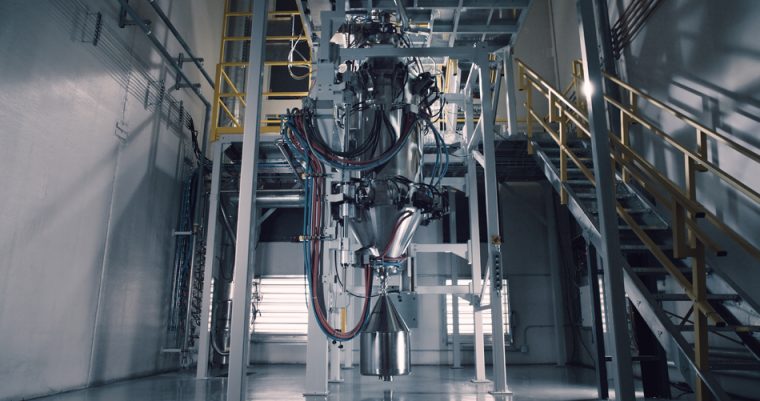
Under the arrangement, 6K buys back ADDMAN's revert, or used, powder and reprocesses it using UniMelt, its microwave plasma system. The sources describe the loop at this level only: used powder goes back to 6K, 6K runs it through UniMelt, and the result is new powder. The release calls this a circular supply chain. Neither source provides yield figures, specification limits, or the price at which revert powder is repurchased, so those details remain unknown.
That caveat matters. Powder reuse in metal additive manufacturing is a quality question as much as a cost question. Operators of powder-bed machines routinely have to decide how much recycled material they are willing to blend back into a build, and customers in regulated sectors scrutinize that decision. A supplier that reprocesses powder in a controlled facility, rather than leaving the buyer to sieve and blend on the shop floor, could shift part of that burden. Whether it does so successfully will depend on data this announcement does not include.
6K's CEO and Managing Director, Frank Roberts, says in the release that the process produces highly spherical powder and that the buy-back program lowers total cost of ownership for end users. Those are the company's own claims, and the announcement offers no test data or cost figures to back them.
Why Aerospace, Defense and Energy Care
The release says the powder will support ADDMAN's expanding production requirements for the aerospace, defense and energy sectors. It also presents the domestic production capability as reducing reliance on foreign supply chains. Those two points fit together: when a domestic supplier commits stocking support and a circular materials stream to a domestic manufacturer, the customer would plausibly have less exposure to overseas lead times and sourcing disruptions, though neither source quantifies that. Availability and traceability often matter as much as unit price to a buyer in these industries.
ADDMAN CEO Joe Calmese is quoted in both the release and the 3D Printing Industry report, saying the relationship strengthens ADDMAN's ability to deliver high-performance components for critical aerospace, defense and energy applications. Both sources also note that the framework gives the companies opportunities to collaborate on additional business as demand develops. In other words, the headline dollar range is not described as a ceiling on the relationship.
What We Do and Do Not Know
It helps to separate what has been confirmed from what has merely been implied.
- Confirmed: a 30-month term, a US$8.1 million minimum and a US$10.8 million maximum, Nickel 718 as the material, dedicated stocking support, and a buy-back of used powder reprocessed through UniMelt.
- Confirmed: the powder is aimed at ADDMAN's aerospace, defense and energy work, and 6K positions the domestic capability as reducing reliance on foreign supply.
- Not stated in the sources: tonnage, per-kilogram pricing, buy-back credit terms, powder specifications, or how many times a given lot may be reprocessed.
- Not stated in the sources: which ADDMAN programs or machines will consume the powder.
Those gaps are not unusual for a commercial announcement, but they limit how far anyone should extrapolate. A headline value tells you the size of the commitment. It does not tell you the economics of the loop.
What It Means for Makers
Few readers of a desktop-printing site will be buying Nickel 718 by the drum, so the direct impact is small. The relevance is structural.
First, this is another data point in a pattern that hobbyists may recognize from filament: materials suppliers are moving from selling consumables to managing a material lifecycle. The ADDMAN release itself uses the phrase "powder lifecycle management." Applying a closing-the-loop idea to a high-value nickel alloy shows it can work where the stakes, and the powder cost, are far higher.
Second, the deal suggests where the economics of metal additive manufacturing are being tuned. Powder is a recurring cost, and unused or revert material is a stranded asset if it cannot be reintroduced with confidence. A contract that treats used powder as something the supplier will repurchase turns a waste stream into a managed input. If that approach proves out at the scale of a multimillion-dollar agreement, other powder suppliers and service bureaus may be asked for similar terms.
Third, for anyone following the metal side of the industry, including those watching sintered and bound-metal processes edge toward smaller shops, the announcement is a reminder that supply security is now a selling point alongside material properties. Buyers appear to be asking where their powder comes from and what happens to it afterward.
Bottom Line
This is a straightforward supply contract with an unusually sensible loop built into it. The numbers are public, a US$8.1 million to US$10.8 million range over 30 months, but the technical terms that would show whether reprocessed powder performs as well as the alternative are not. Treat it as a credible signal about how aerospace-grade powder supply is being organized, and wait for performance data before drawing conclusions about the quality of the recycled material.
