
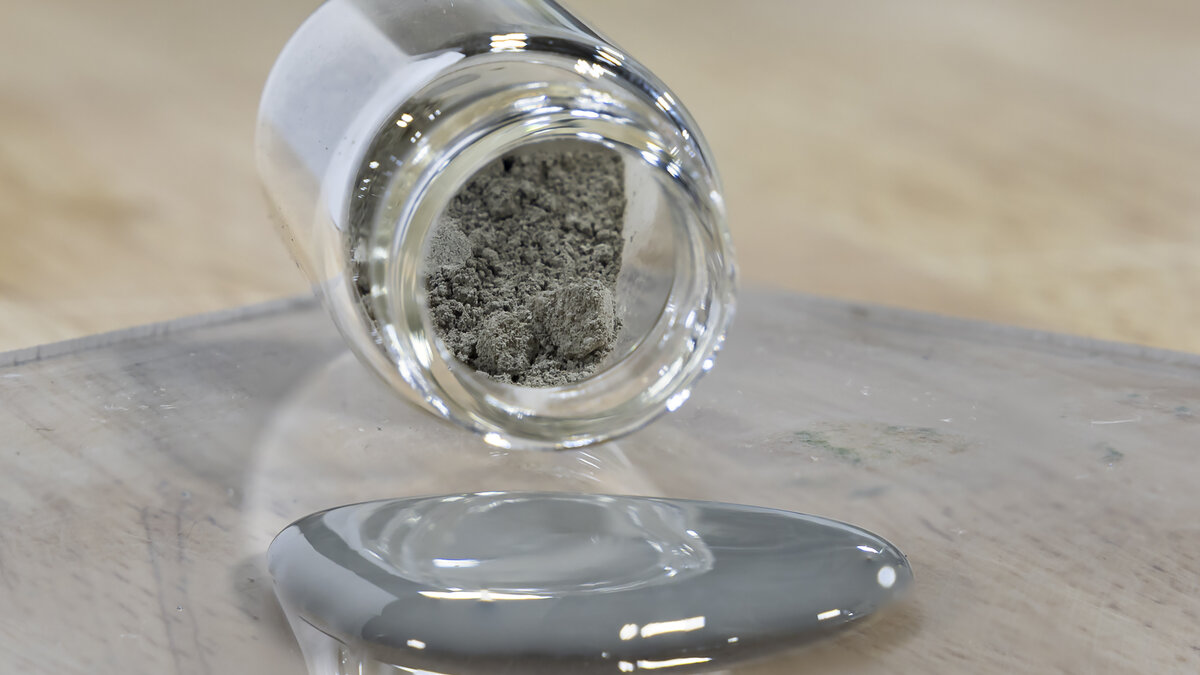
Continuum Powders used the opening day of Formnext 2026 on November 17 to introduce Argos, a new Melt-to-Powder (M2P) atomization platform built for a very different scale from the company's existing equipment. According to Continuum's announcement, Argos pairs cold-hearth plasma melting with inert gas atomization and is designed for more than half a megawatt of melting power and an output of more than 4 metric tons of powder per day. It also adds a new anti-satellite atomization die, called Max DP, and automates the pour that feeds the atomizer.
Argos does not replace anything. Continuum says its Greyhound M2P fleet will keep serving customers, and it presents the new platform as building on more than a decade of running Greyhound across more than 35 alloys. The stated targets are materials such as Ni718 and titanium alloys, the workhorse feedstocks of aerospace and industrial metal additive manufacturing, along with the long-term supply agreements and qualified powder sources that buyers want before they commit production parts to a printed process. Initial testing, qualification and introduction will focus on OptiPowder 718, the company's Ni718 powder.
The bottleneck was upstream of the nozzle
It is tempting to think of an atomizer's capacity as a question of how quickly you can break molten metal into droplets. In exclusive comments to VoxelMatters, co-founder and CTO Matt Charles pointed somewhere else. Scaling beyond Greyhound, he said, was limited upstream of the atomizer, in the melt itself.
Two problems stacked on top of each other. First, a single torch could only push so much power into a bath before it created hot spots, and those hot spots burned off alloying elements. For alloys whose behavior depends on tightly specified chemistry, losing part of an element in the melt is not a cosmetic problem. It is the kind of drift that can take a batch out of specification.
Second, the obvious workaround, raising the feed rate through the same small hearth, cut the residence time that refining relied on. In a cold-hearth process the hearth is more than a vessel. It is where the metal spends the time it needs to be refined before it is poured, and shortening that time to raise throughput trades quality for quantity.
So the constraint was a pincer. More torch power meant hot spots; more feed meant less refining. Charles said Argos fixes both: the larger hearth keeps residence time at full rate, and a new torch configuration, built around Continuum's proprietary plasma torch, spreads the energy evenly across the bath. Per Charles, the outcome is more total power and tighter superheat control at the pour, meaning the margin by which the metal sits above its melting point as it heads into the atomizer.
That last detail is the quiet one in the announcement. Superheat is one of the variables an atomization process has to hold steady, because a melt stream that arrives at a different temperature can behave differently when the gas hits it. By linking the bigger hearth directly to superheat control, Continuum is arguing that Argos scales output without loosening the process window, which is precisely the claim a qualification engineer will want evidence for.
Max DP and automated pouring
The changes continue downstream. The Max DP atomization die is described as an anti-satellite design, developed using computational fluid dynamics. Satellites, the small particles that end up stuck to larger ones, are a familiar nuisance in powder-bed processes because they can interfere with how evenly a powder flows and spreads. According to Charles, the die is designed to stop fine particles recirculating into the spray, where they would weld onto still-molten droplets, and he linked it to a tighter particle size distribution centered on the 15-45 micron cut standard for laser powder bed fusion.
Those are design intentions and expectations, though. Continuum has not published measured particle size distributions, yield figures or satellite counts for Max DP in the material available so far, so the size of the improvement over Greyhound remains a claim rather than a measured result.
Automated pouring is the other piece. Charles told VoxelMatters that before automation the pour was the most operator-dependent step in the process, and that every start and stop produced off-spec powder. Automated pouring, he said, holds the stream steady in a closed loop, extends pour length and makes better use of the platform's melting capacity. The logic follows from everything above: a larger, more powerful hearth only pays off if the system can keep drawing metal from it. If the pour is short or interrupted, the extra melting capacity sits idle, and the headline figure of more than 4 metric tons a day becomes harder to reach in practice.
Why supply capacity is the real story
Big atomizers are not glamorous, but they sit beneath every claim that metal additive manufacturing is ready for serial production. A qualified part depends on a qualified powder, and a qualified powder depends on a source that can deliver consistent material in volume over years. That is why Continuum frames Argos around long-term supply agreements and additional qualified sources. For a manufacturer planning a production program in Ni718 or a titanium alloy, the question is less "can I get powder?" than "can I get the same powder, from a source my customers have already approved, for the life of the program?"
Running Argos alongside the Greyhound fleet, rather than in place of it, also matters here. Customers whose parts are already qualified on existing powder are not forced into a new source, while new capacity comes online for growth. According to VoxelMatters, CEO Jon Cozens said the first Argos is planned to enter commercial operation at Continuum's Houston, Texas facility in the first half of 2027, alongside an additional Greyhound system, lifting total processing capacity from about 3 to about 9 metric tons per day. Cozens also said he expects saleable LPBF capacity to rise by over 200%, which is the company's own projection.
What It Means for Makers
Few FilamentFeed readers buy Ni718 by the tonne, and Argos will not change what goes into a desktop printer. Its effects, if they arrive, will be indirect. Metal printing for most makers and small shops runs through service bureaus and contract manufacturers, and their costs and lead times are shaped in part by powder supply. More capacity for qualified nickel and titanium powder is one of the conditions for metal parts becoming more routine to order.
The caveats are worth stating plainly. Continuum's announcement gives design ratings, not shipped volumes: the platform is designed for more than half a megawatt and rated for over 4 metric tons per day. The sources give a planned 2027 start for the first system, but no pricing and none of the qualification data that aerospace buyers will demand. New capacity in this market has to be proven alloy by alloy before it counts.
The engineering explanation, though, is unusually candid. Rather than claiming a faster atomizer, Continuum has described a melt-side bottleneck, hot spots on one side and lost residence time on the other, and a specific fix for it. That is the right place to look when judging whether a powder supplier can scale without its chemistry drifting. Whether Argos delivers on it will show up in the powder certificates, not the press release.
