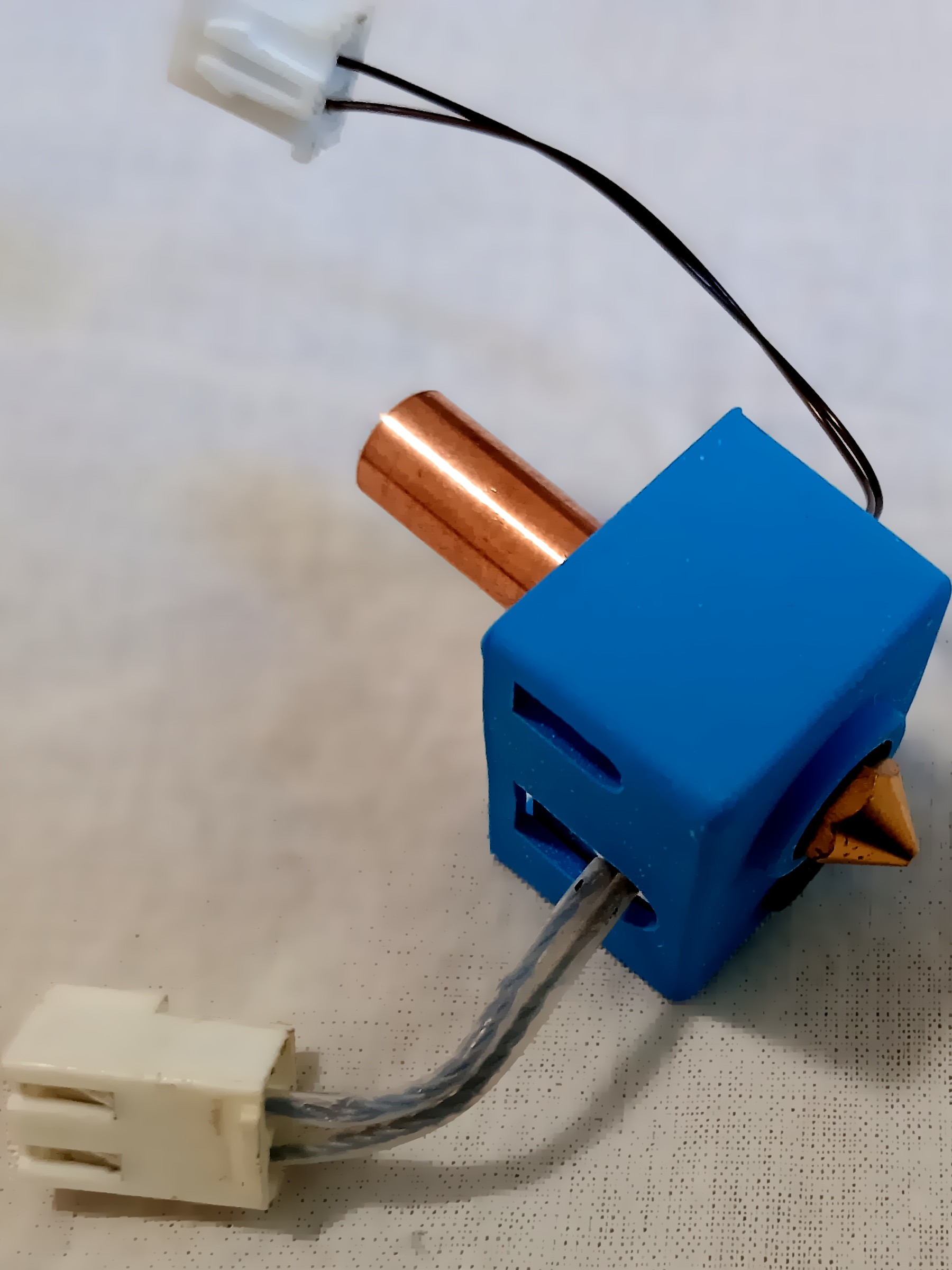
3D Printer Nozzle Size Guide: 0.25mm vs 0.4mm vs 0.6mm vs 0.8mm-1.0mm
Prusa and E3D manufacturer data on how nozzle diameter caps layer height and flow rate, with per-size guidance for detail work, general printing, and speed.
Read the story →Every FilamentFeed story on PrusaSlicer — news, reviews, and analysis, newest first.
Prusa and E3D manufacturer data on how nozzle diameter caps layer height and flow rate, with per-size guidance for detail work, general printing, and speed.
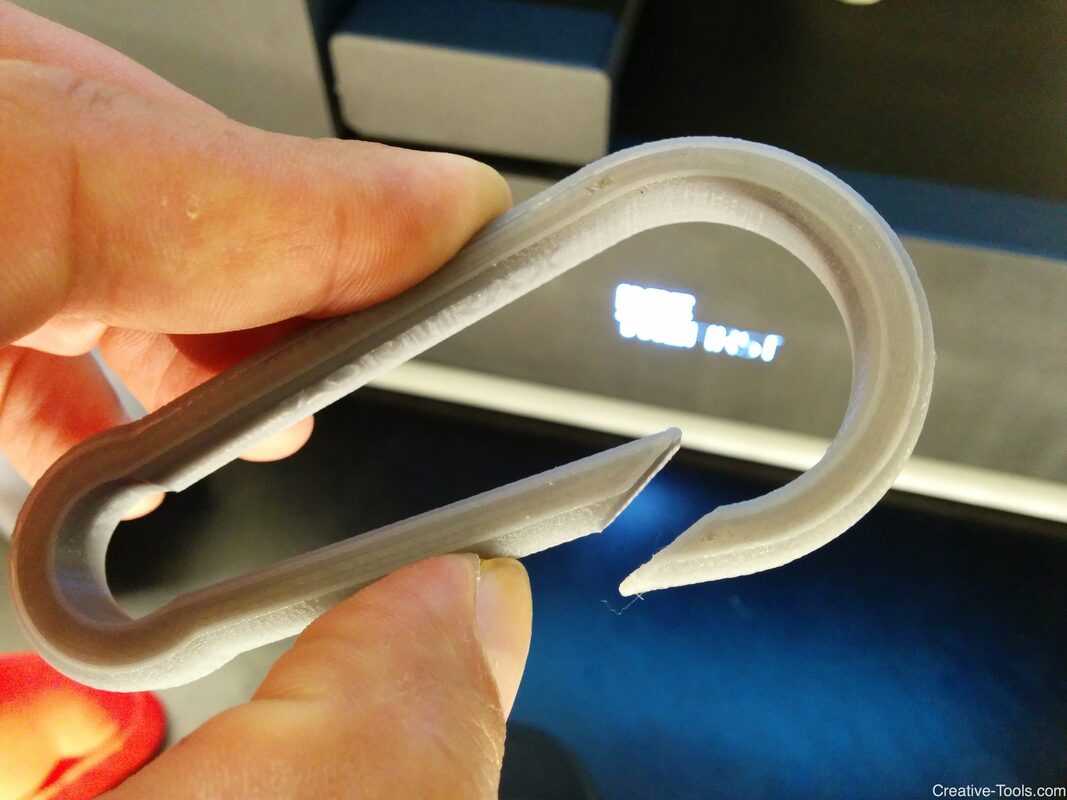
Read the story →Cantilever and annular snap fits are deceptively simple mechanisms that FDM printers struggle to reproduce reliably. Here is the geometry, deflection math, clearance strategy, and material selection logic to get them right on the first print.
The slicer landscape in 2026 has fragmented along clear lines: ecosystem loyalty, calibration depth, and hardware compatibility each favor a different tool, and the right answer depends almost entirely on what you are printing on.
Multi-color printing without a filament changer is entirely achievable using M600 and pause-at-layer commands. The slicer implementations differ in important ways, and getting the G-code sequencing wrong produces failed swaps, ooze blobs, or color bleed that contaminates the swap layer.
STL has been the default 3D printing format for 35 years. The 3MF format does everything STL does and adds color, material, orientation, and multi-part support — here's why the transition is accelerating.
Adaptive or variable layer height lets slicers use thin layers where they matter and thick layers where they don't. The result is better surface quality at nearly the same print time.
All three major slicers can get plastic on a print bed. Where they diverge is in workflow philosophy, calibration tooling, and how tightly they're coupled to their hardware ecosystems.
Bambu Lab and Prusa dominate the enthusiast printer conversation but serve very different users. This comparison covers hardware, ecosystem philosophy, openness, support quality, and price to help you pick the right brand in 2026.
Gyroid, grid, honeycomb, lightning — every infill pattern makes different tradeoffs between strength, speed, material use, and surface quality. Here's exactly when to use each and how density changes the outcome.
STL, 3MF, and STEP serve different purposes in the 3D printing workflow. This guide explains what each format stores, why 3MF is rapidly becoming the default, and which tools convert between them.
Voron and Prusa represent open-source printing; Bambu Lab and Ultimaker S-series represent the proprietary end. Both camps offer real advantages — this guide breaks down the honest trade-offs for 2026.
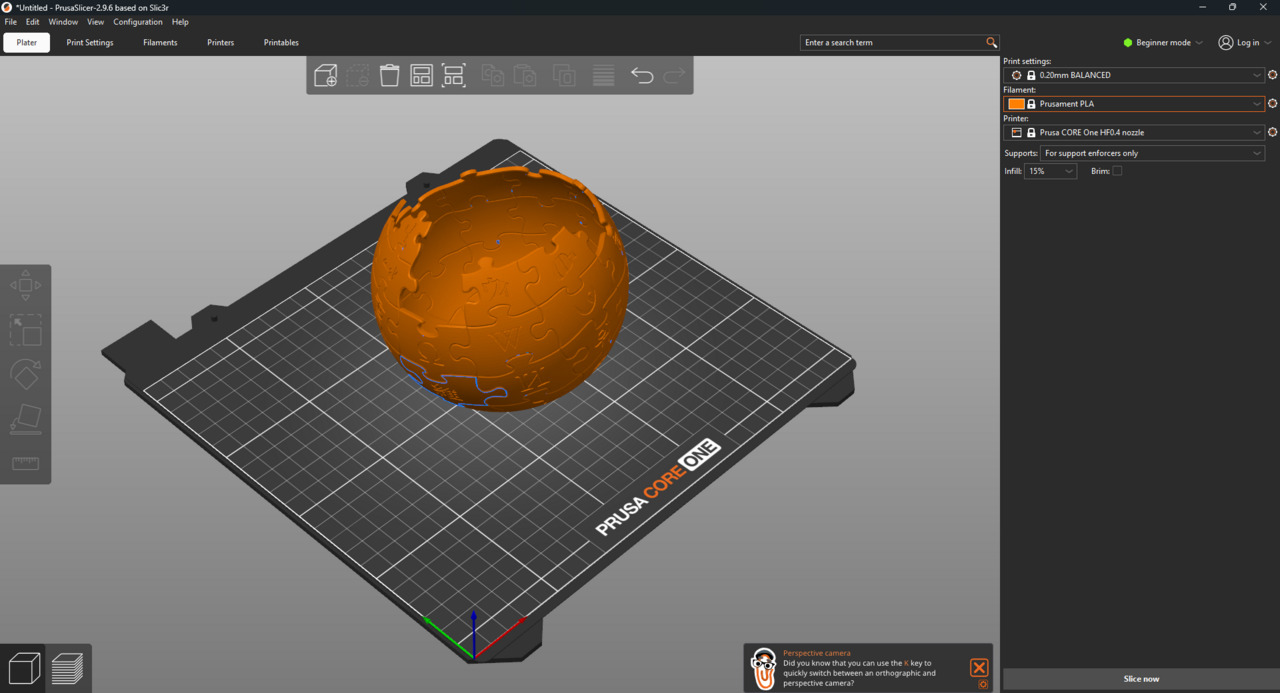
PrusaSlicer 3.x is one of the most capable free slicers available, but its depth can overwhelm newcomers. This beginner's guide walks through the interface, profiles, support generation, and paint-on supports.
Free daily briefing — printer releases, materials, slicer updates, and the business of printing.
You're in. ✓
Check your inbox to confirm your subscription.No spam. Unsubscribe any time. Read our privacy policy.