Guides
Evergreen how-tos and buyer's guides, written in plain English with the trade-offs that actually matter.
-
Guides
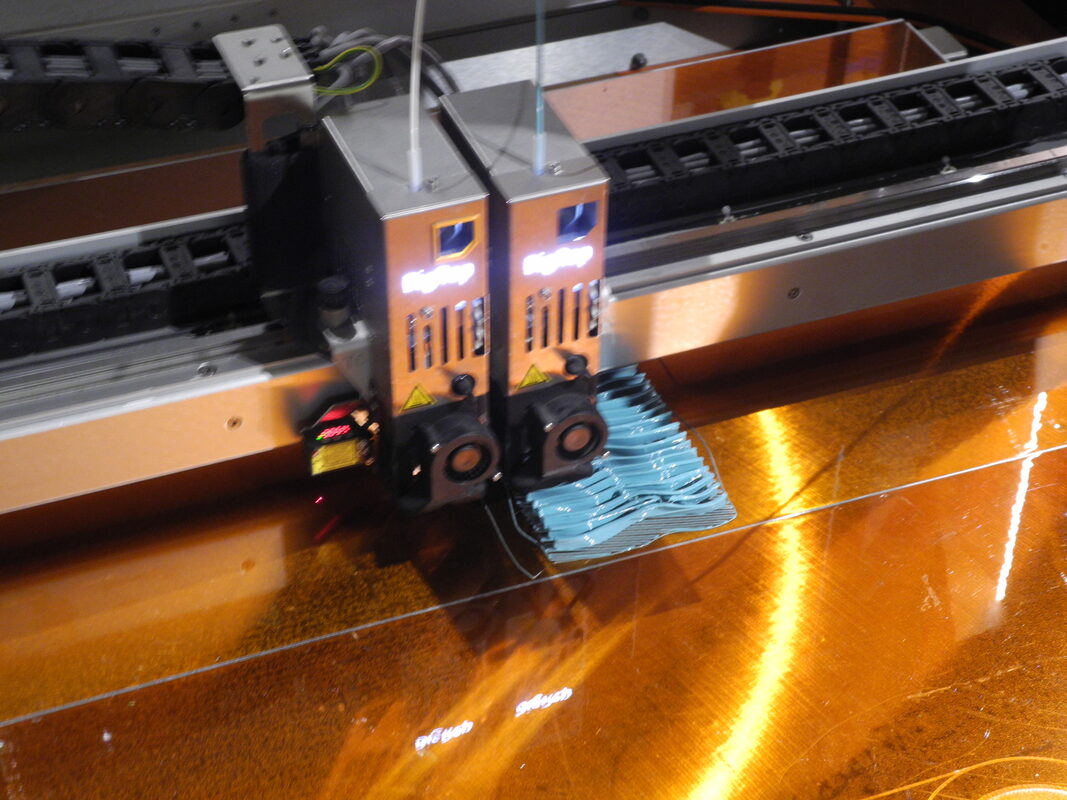
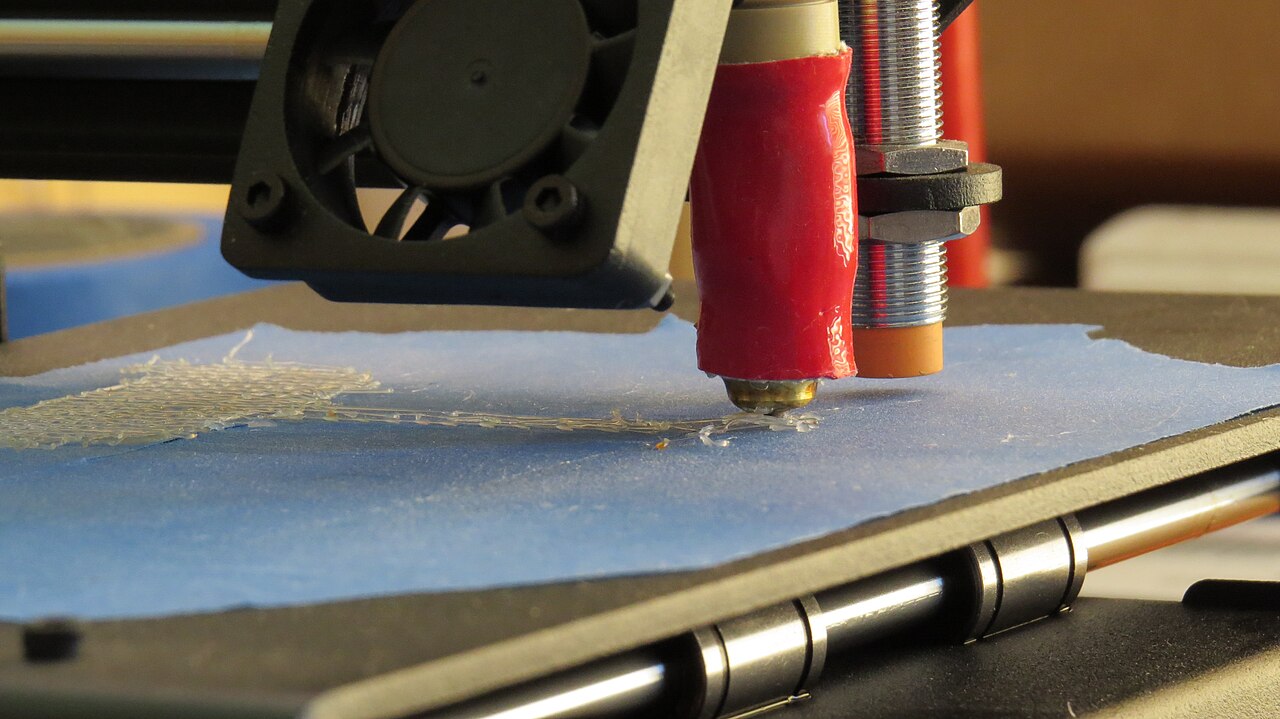
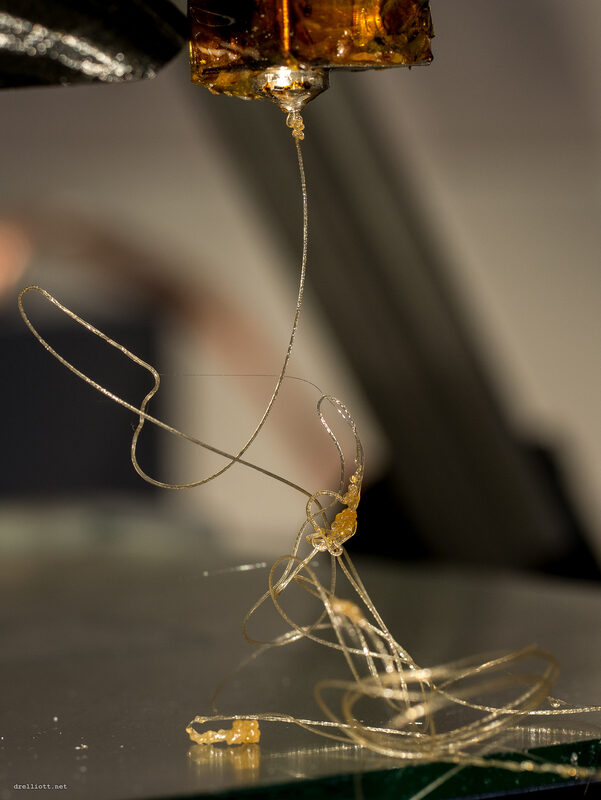
A Maker Is Extruding Hollow Tubes With Compressed Air Instead of a Filament Core
Roetz-End creator Jan is replacing the solid core of printed tubing with a compressed-air stream, chasing hollow parts that are up to 90% air — but pressure swings and leaks are still winning.
-
Guides
What 'Food-Safe' Actually Means for 3D Printed Parts: A Materials and Regulatory Guide
A new guide untangles which filaments, resins and powders can legitimately claim food contact status under FDA and EU rules — and why the part, not the material, is what actually gets certified.
-
Guides
Annealing 3D Prints: How a Simple Oven Cycle Buys You Strength and Heat Resistance
Annealing reheats a finished print near its glass transition to recrystallize the polymer, trading a little dimensional accuracy for real gains in strength and heat resistance — as Polymaker's HT-PLA Pro shows with a 30-minute, 100C cycle.
-
Guides
UL 94 V-0, Explained: A Practical Guide to Flame-Retardant 3D Printing Materials
A V-0 rating is always tied to a wall thickness — here's what UL 94, FAR 25.853 and ASTM E662 actually certify, which flame-retardant filaments, resins and powders you can buy, and why printing certified material does not give you a certified part.
-
Guides
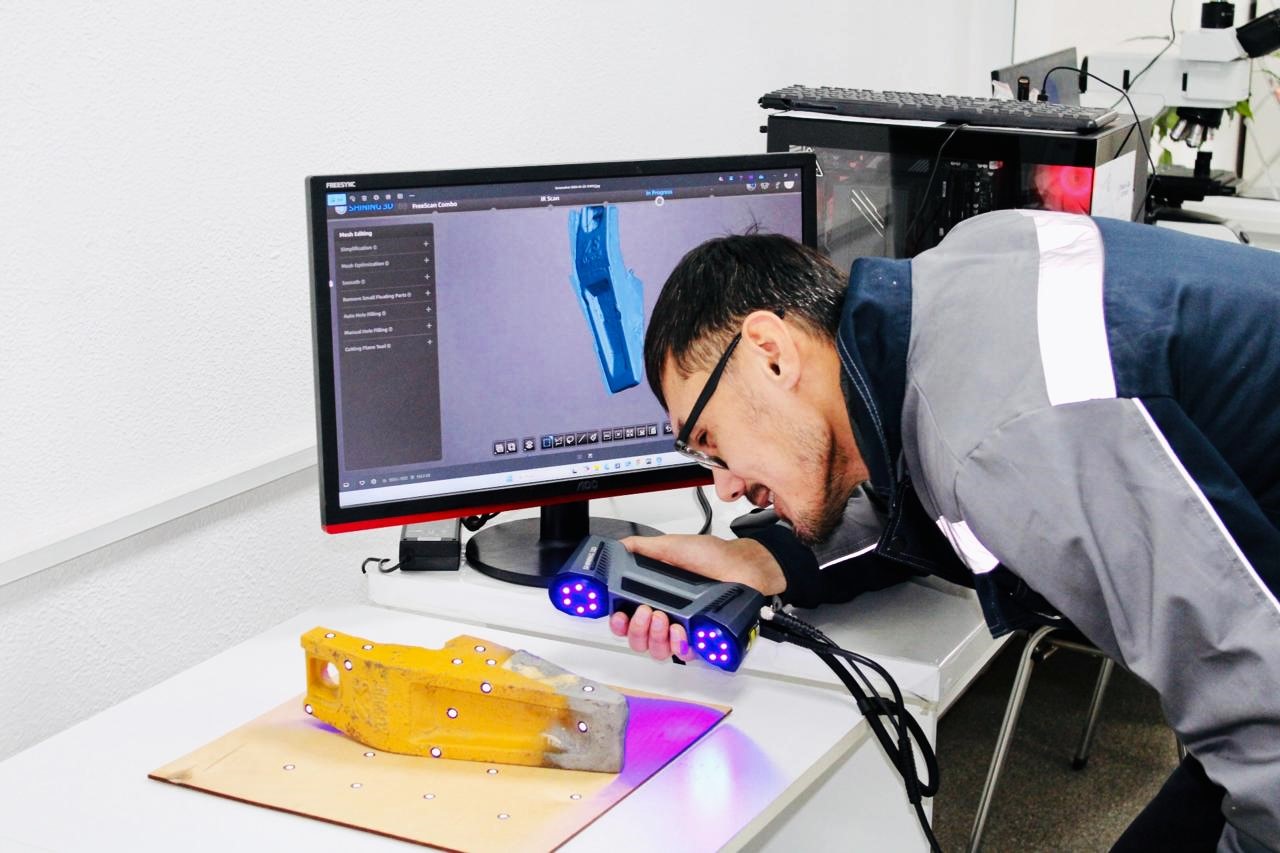
Sub-0.005mm and No Tape Measure: How Non-Contact 3D Scanning Is Taking Over Quality Inspection
Rail manufacturers are trading calipers and go/no-go gauges for metrology-grade 3D scanning that maps full parts against CAD to 0.004mm — the same deviation-mapping workflow makers use for reverse engineering and print verification.
-
Guides
Seven Ways to Put Magnets in Your 3D Prints (and Why Friction Fit Alone Will Fail You)
Hackaday's July 19 roundup of seven magnet-installation methods lands on an uncomfortable truth: the friction-fit pocket most makers default to loosens over time thanks to thermal creep in the plastic. Here are the alternatives, plus the slot math and pause workflow that make them work.
-
Advertisement
-
Guides
Your Printer Died — Now What? A Buyer's Map of Warranties, Returns, and Repair in 2026
All3DP's refreshed July 16, 2026 guide maps the routes back to printing after hardware fails — manufacturer support, warranties, returns, paid repair and authorized resellers — and pairs naturally with iFixit's teardowns for the DIY option.
-
Guides
Direct Ink Writing Explained: The Room-Temperature Process Behind Silicone, Ceramics, and Bioinks
Direct Ink Writing extrudes viscous pastes at room temperature, printing silicone, ceramics, metals, graphene and living tissue that FDM can't touch — a guide to how DIW works and why makers should care.
-
Guides
The $149 Cover vs. the $5 Sheet of Coroplast: What a Printer Enclosure Actually Buys You
A maker's cut-and-fold Coroplast top enclosure for the Snapmaker U1 needs no printed parts or hardware — and it lands as Snapmaker sells an official $149 Top Cover, making it the perfect excuse to unpack what an enclosure's thermal, filtration, and dust-blocking jobs are actually worth to you.
-
Guides
Flow Calibration Explained: Getting Your Extrusion Multiplier Right
Why flow rate governs dimensional accuracy, layer bonding, and surface finish, how Orca Slicer's wizard differs from Bambu Studio's own calibration flow, and how to organize per-filament flow profiles across a library and multiple printers.
-
Guides
How Engineers 3D Scanned and Printed a Playable Replica of a 1,700-Year-Old Roman Board Game
Newcastle University engineers used an Artec 3D Spider scanner and PLA printing to resurrect a 1,700-year-old Roman board game from Vindolanda, now played daily by museum visitors.
-
Guides
Ivan Miranda's Mirandetta: A Fully Rideable 3D-Printed Motorbike That Packs Into a Suitcase
Maker Ivan Miranda built a nearly all-3D-printed unibody electric motorbike in about ten working days, small enough to disassemble into a checked suitcase for Maker Faire Prague.