Prusa Research
Every FilamentFeed story on Prusa Research — news, reviews, and analysis, newest first.
-
Guides
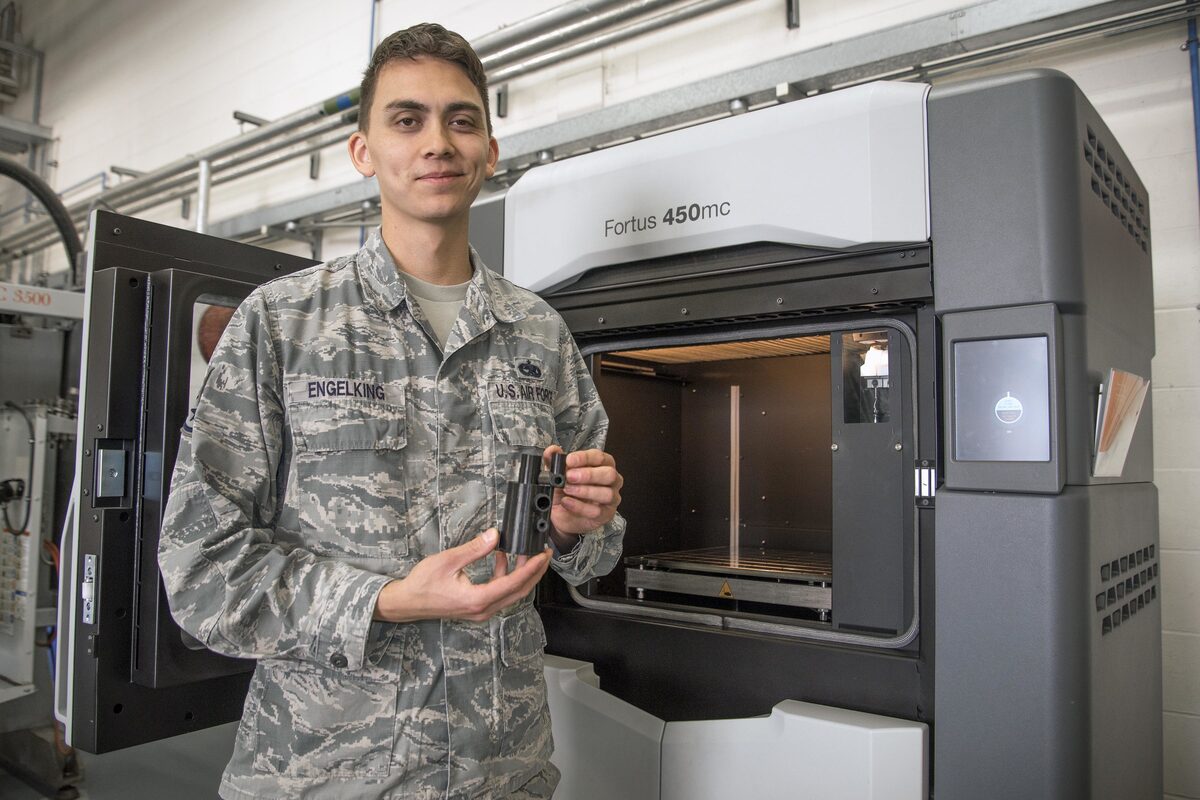
A YouTuber Pit $250 Desktop PC-ABS Against a Six-Figure Stratasys Fortus — the Industrial Machine Barely Won
My Tech Fun's head-to-head found desktop PC-ABS from a Prusa Core One L and Bambu Lab H2D nearly matched a six-figure Stratasys Fortus 450mc on strength and beat it on looks, with dimensional accuracy the industrial machine's only clear win.
-
Software
PrusaSlicer 3.0's First Public Alpha Ships With a Complete Rewrite and Offline-First Mode
Prusa Research's alpha11 build tears up PrusaSlicer's decade-old codebase for multi-bed projects, a Lua plugin system, and a fully offline mode built for firewalled shops — but SLA slicing and third-party profiles aren't in yet.
-
Software
PrusaSlicer 3.0 Preview: The Biggest Overhaul in the Slicer's History
Prusa Research dropped a ground-up alpha rewrite of PrusaSlicer on Sept 1 — new UI, unlimited multi-printer beds, YAML profiles, and a sandboxed Lua plugin system — but it's Prusa-only and not production-ready yet.
-
Materials
YouTuber Torches a Dozen Filaments to Find Out Which Ones Actually Catch Fire
A blowtorch test of a dozen filaments found ABS, ASA, and foam TPU burn readily with sooty yellow flames, while regular TPU and PETG strongly resist ignition even under direct flame.
-
Printers
Prusa's INDX Conversion Kits Slip to Mid-August as Bondtech's 'Nozzlegate' Deepens
Prusa delays INDX conversion kits for the CORE One/+ to mid-August after Bondtech admitted its 'hardened' nozzles are nitrocarburized ordinary steel (~30-32 HRC vs the promised 55-60) that 100 g of abrasive filament wears through — Prusa offers refunds and free hardware while Bondtech quietly renamed the product and has no compensation plan.
-
Software
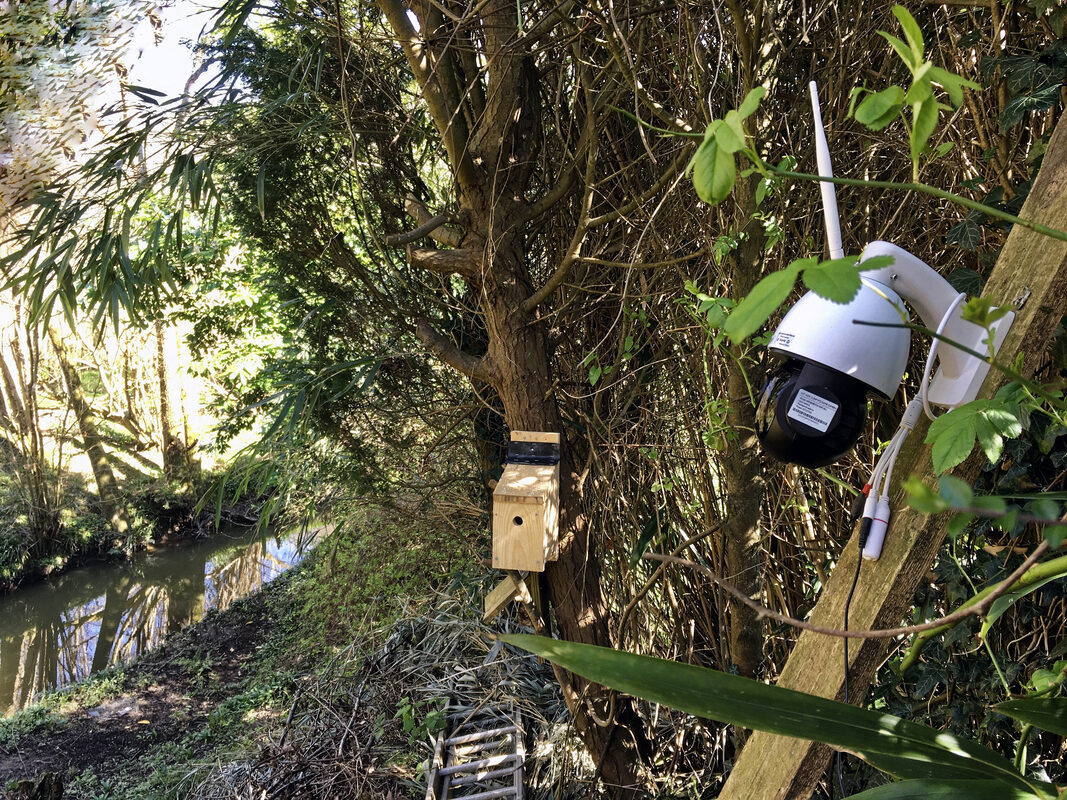
Hackers Repurpose Open-Source Thingino Camera Firmware for DIY Prusa 3D Printer Monitoring
A maker hunting for a cheap webcam turned to Thingino, open-source Linux firmware for budget Ingenic-chipset IP cameras, and scripted his own bridge into Prusa's remote monitoring API before official camera support ships.
-
Materials
Prusament PA11 Natural: Prusa's Castor-Oil Nylon Splits the Difference Between PA6 and PA12
Prusa's new castor-oil-based PA11 nylon lands between PA6 and PA12 with lower moisture uptake, strong impact resistance and broad chemical resistance — but it needs an enclosed, chamber-heated printer to run.
-
Software
Someone Reverse-Engineered Prusa's INDX Into Real CAD — and It Says a Lot About the Open Community License
A GitHub repo has reconstructed parametric CAD for Prusa's INDX toolchanger from Prusa's own printable mesh and published it as CC BY-SA 4.0 — a share-alike claim that runs straight into the Open Community License, which says any distributed derivative stays under OCL.
-
Software
CNC Kitchen's PrusaPATuner Turns Your Bed-Leveling Load Cell Into a Pressure Advance Calibrator
Stefan of CNC Kitchen has released PrusaPATuner, an experimental AGPL-3.0 tool that auto-calibrates pressure advance on Prusa printers by repurposing the nozzle load cell as a back-pressure sensor — no extra hardware, no test prints, no squinting at a calibration tower.
-
Software
Prusa Ships Firmware 6.6.2 for CORE One INDX, Fixing Nozzle-Cleaner and Tool-Lock Precision
Prusa's 6.6.2 firmware for CORE One/CORE One+ INDX fixes nozzle-cleaner offset drift and tool-pickup ejection, auto-migrates EEPROM offsets, and adds safety options for lost-tool recovery and Dock Calibration.
-
Printers
Sovol Launches M1D: The First IDEX 3D Printer With a Built-In Tool Changer, From $1,199
Sovol's M1D fuses independent dual extrusion with a six-toolhead changer for up to seven purge-free colors, launching on Kickstarter from $1,199.
-
Software
Klipper vs Marlin: 3D Printer Firmware Explained
Marlin runs entirely on your printer's own board; Klipper splits the job with a host computer. Both now do input shaping and pressure control. Here is how the two actually compare — and who ships which one stock.