
All articles
-
Software
ElegooSlicer v1.5.3.4 Folds In OrcaSlicer 2.4.2 as Elegoo Tunes Multicolor Print-Time Estimates for the Centauri Carbon 2
Elegoo's August 6 ElegooSlicer update merges most of OrcaSlicer 2.4.2's feature set while fixing Centauri Carbon 2 multicolor time estimates, a Neptune 3 Pro thumbnail bug, and Centauri Carbon bed temps.
-
Printers
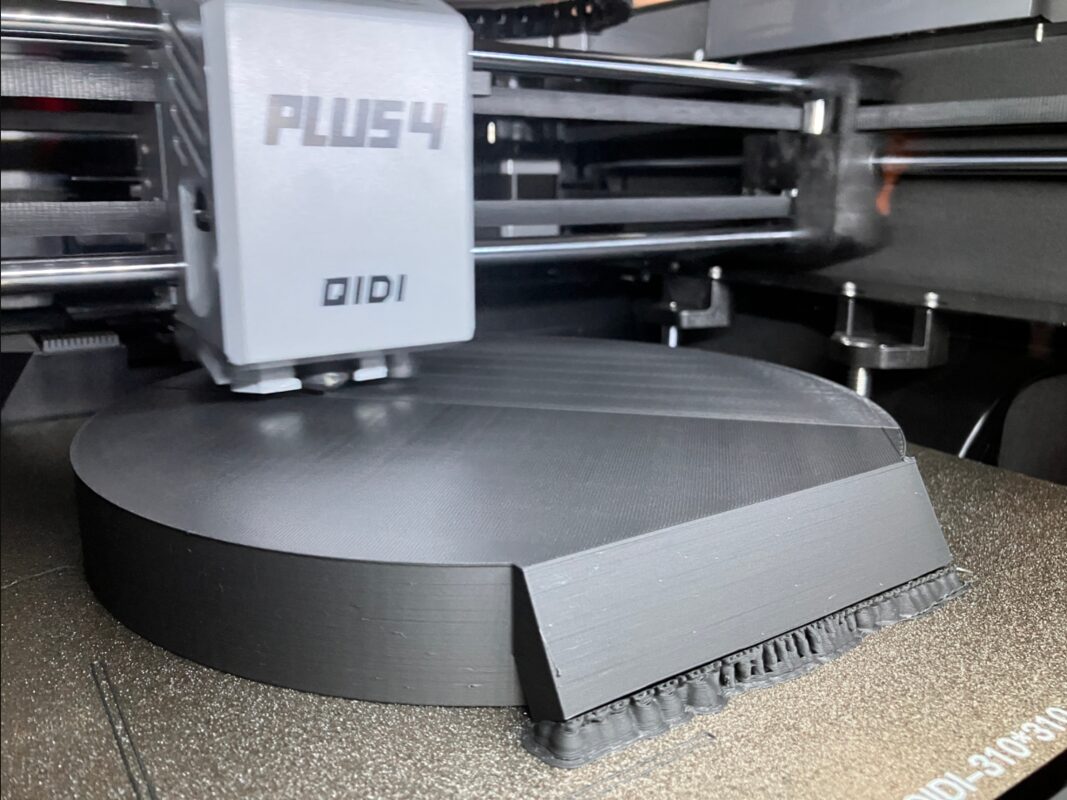
QIDI Plus5: The Plus4 Successor Grows the Build Volume 18% Without Raising the Price Floor
QIDI's new enclosed CoreXY Plus5 bumps build volume to 320x320x300mm, adds 65C active chamber heating and a 370C hotend, and still starts at $749 — the same floor as its Plus4 predecessor.
-
Business
3D Systems CEO Jeff Graves to Step Down as Company Searches for Successor
3D Systems said its President/CEO Dr. Jeffrey Graves will retire once a successor is found, a transition announced alongside mixed Q2 2026 earnings after six years of restructuring and acquisitions.
-
Software
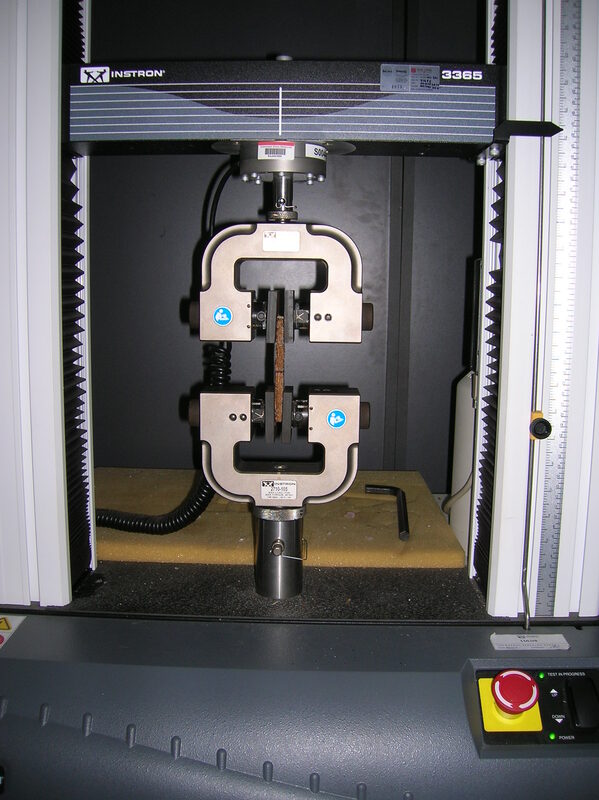
Plastometrex Will Let You Queue Hundreds of Unattended Mechanical Property Tests Starting Q4 2026
Plastometrex's new PLX-AutoStage module automates non-destructive PIP testing to within 2.6% of tensile-test accuracy, letting aerospace and defense customers qualify AM parts by the hundred without babysitting a test rig.
-
Software
Ex-Markforged Founders Launch Backflip AI's CAD Copilot, Turning 3D Scans Into Editable Models
Backflip AI, founded by former Markforged leaders Greg Mark and David Benhaim, has launched CAD Copilot, an AI tool that turns 3D scans into fully editable, parametric CAD models — and claims it cuts part-digitizing costs from $1,500 to about $10.
-
Guides
What 'Food-Safe' Actually Means for 3D Printed Parts: A Materials and Regulatory Guide
A new guide untangles which filaments, resins and powders can legitimately claim food contact status under FDA and EU rules — and why the part, not the material, is what actually gets certified.
-
Printers
Kentstrapper Launches Mille: A €40,000 Cubic-Meter FDM Printer Built for Monolithic Parts
Italian manufacturer Kentstrapper's new Mille packs a full one-cubic-meter build volume, a 60°C chamber, and a 30-second hot-end swap into a €40,000 machine aimed at automotive, marine, aerospace, and defense shops that need single-piece parts too big to print in sections.
-
Materials
Researchers 3D Print Light-Switchable Optics That Modulate Laser Beams on Command
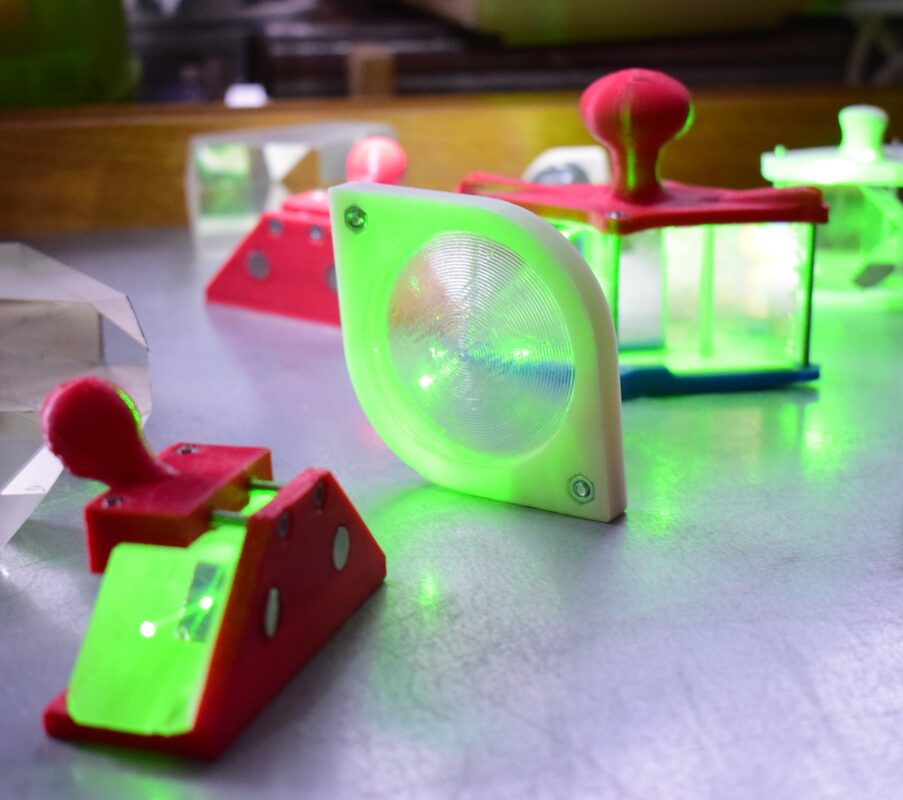
Polish and Italian researchers embedded a light-sensitive dye in vat-photopolymerized resin to build 3D printed optical components that dynamically bend, dim, and polarize laser light through 60,000 switching cycles.
-
Business
3D Systems' Saudi Joint Venture NAMI Wins Military Manufacturing License, Targeting Vision 2030 Defense Localization
NAMI, 3D Systems' Saudi joint venture, has been licensed by GAMI for regulated military manufacturing, putting it in position to capture a slice of the Kingdom's push to localize over half its defense spending by 2030.
-
Industry
Chromatic 3D Materials Opens Rocket Propellant Test-Firing Facility at Minnesota's Camp Ripley
Chromatic 3D Materials has leased space at Camp Ripley to build an on-site propellant print lab paired directly with live-fire test infrastructure, collapsing the gap between additive propellant fabrication and validation.
-
Software
Hackers Repurpose Open-Source Thingino Camera Firmware for DIY Prusa 3D Printer Monitoring
A maker hunting for a cheap webcam turned to Thingino, open-source Linux firmware for budget Ingenic-chipset IP cameras, and scripted his own bridge into Prusa's remote monitoring API before official camera support ships.
-
Printers
HP Marks 10 Years in 3D Printing With the Compact MJF 1200 and a Business Growing 25% a Year
HP's additive manufacturing leaders mark a decade of Multi Jet Fusion with 25%-a-year growth and the sub-$60,000, 12-liter MJF 1200, aimed at bringing production-grade powder-bed fusion into smaller shops.


Page 25 of 56
