
All articles
-
Industry
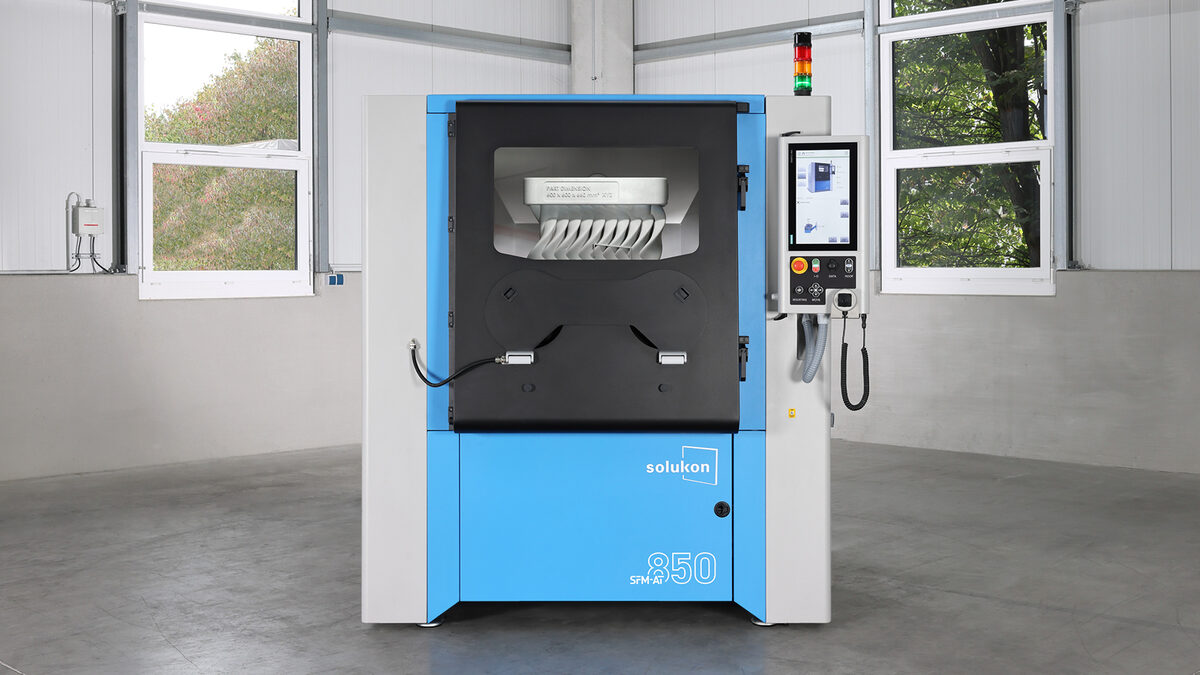
Solukon's SFM-AT850 Depowders Metal Parts Up to 1,000 kg, Debuts at Formnext 2026
Solukon's new SFM-AT850 depowders LPBF metal parts up to 1,000 kg in a smaller footprint, adds an ultrasonic SFM-AT850-E variant and remote maintenance, and replaces two older machines. Orders open at Formnext 2026, with deliveries by the end of Q3 2027.
-
Business
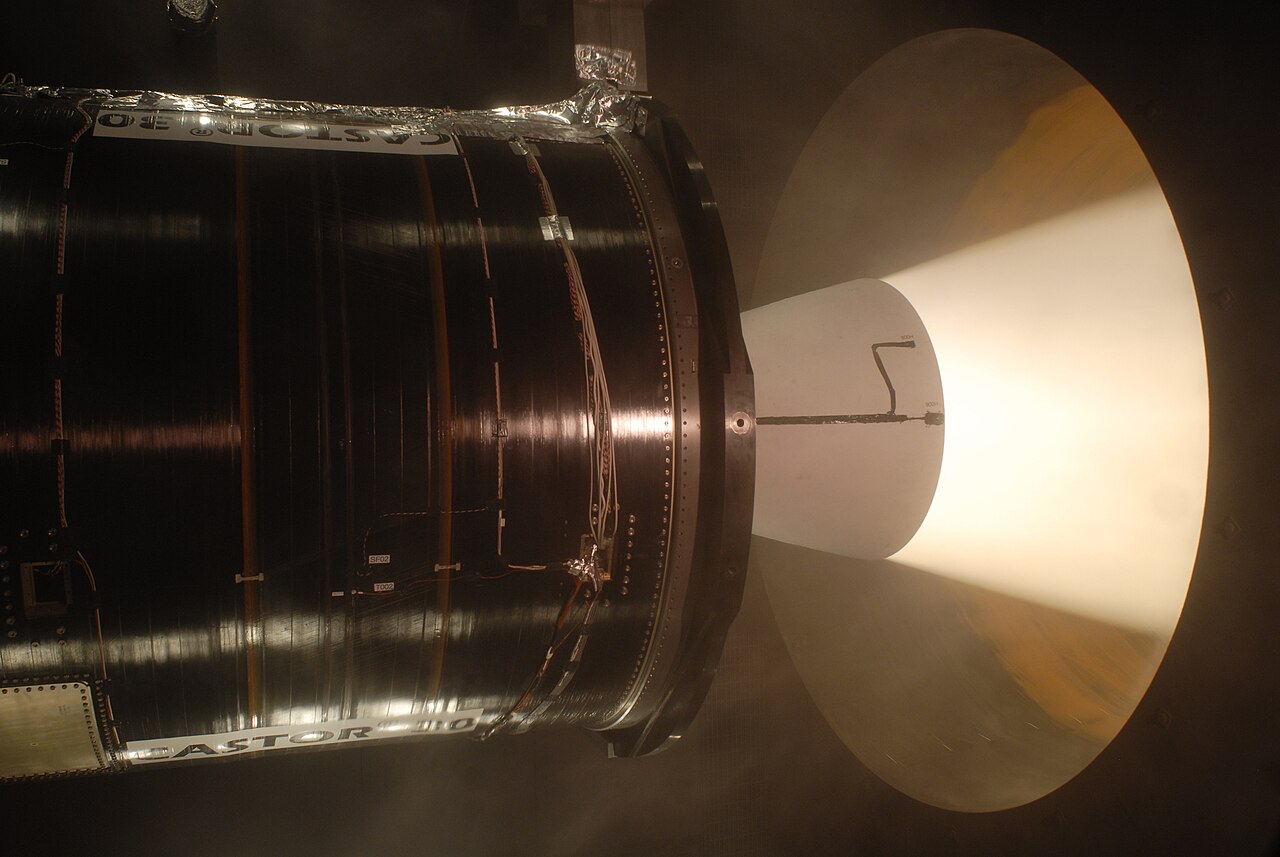
Leidos Taps X-Bow's 3D-Printed Rocket Motors for the Army's Low-Cost Cruise Missile
X-Bow Systems will develop and produce booster motors for the Army's Low-Cost Containerized Munition under Leidos, a bet that additive manufacturing can turn solid rocket motors from a bottleneck into a volume product, with full-rate production planned for 2027.
-
Guides
CADlingo 2.0 Adds Multi-Part AI CAD Models With STEP and STL Export
WeeklyVentures' CADlingo 2.0 beta turns text prompts into editable multi-part parametric assemblies in the browser, with per-part export, free STL output for slicers and STEP export on eligible paid plans.
-
Printers
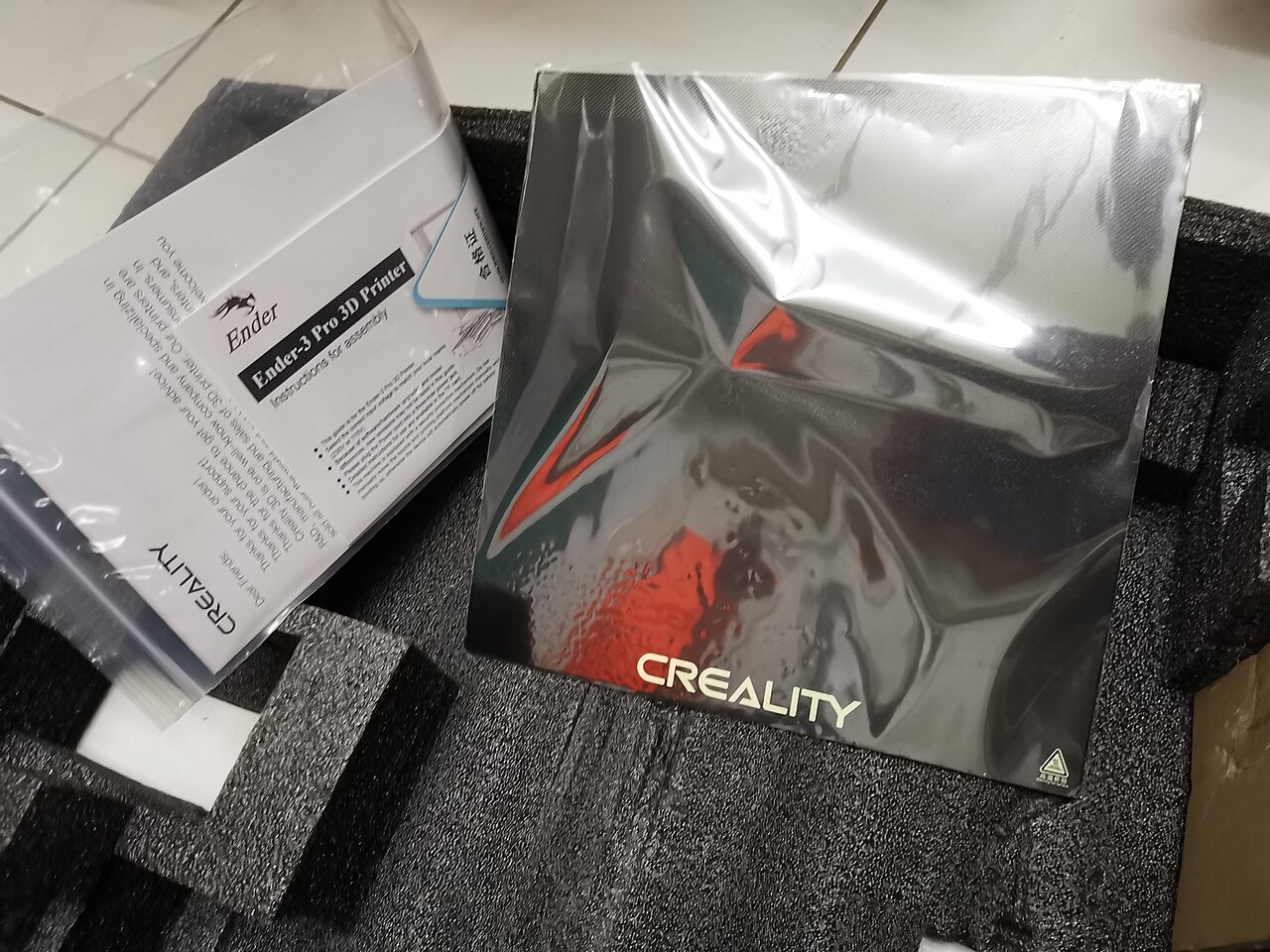
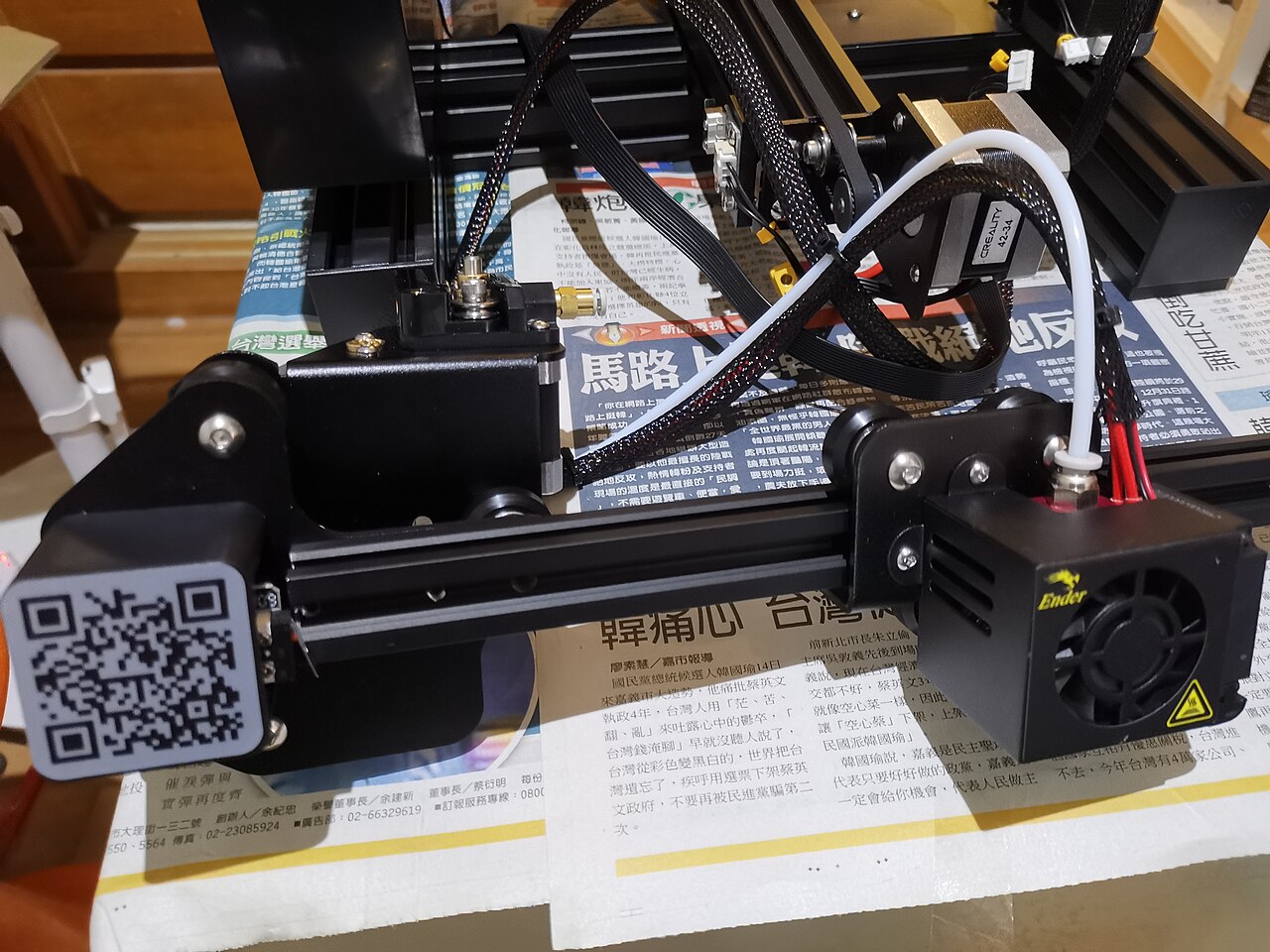
Creality Ender-3 V3 Mega and Neo: A 420 mm TPU-Capable Bed Slinger and a $329 Starter
Creality's new Ender-3 V3 Mega stretches the bed slinger to a 420 mm cube with dual Y motors and 85A TPU support, while the Neo Combo opens at an early-bird $329 for beginners.
-
Business
Fathom Buys Three Aerospace and Defense Suppliers, Reaching 10 Facilities and About 700 Employees
Fathom Digital Manufacturing, whose services include additive manufacturing, has bought TCS Industries, TCS Electronics and Precision Grinding & Manufacturing. The deals move it further into precision machining and electronics for aerospace and defense, and bring it to 10 facilities and about 700 employees.
-
Industry
Meshy Edit Lets You Change One Part of an AI-Generated Model Without Regenerating the Rest
Meshy Edit, launched Oct 16, lets you select one part of a high-poly AI model, describe the change in text or reference images, and get a new version with the rest of the geometry untouched. It is aimed squarely at the regenerate-or-repair problem in AI-to-print workflows.
-
Business
Amaero Prices $20M Nasdaq IPO, Warns It Will Need More Capital in 2027
Metal powder maker Amaero priced its US IPO at $4.25 a share, raising $20M gross (about $15.7M net) and listing on Nasdaq as AMRO, but its prospectus shows widening losses, about $4.95M of cash at the end of September, and a need for more capital in 2027.
-
Printers
Creality K3 Opens Pre-Orders at $849 With Four-Nozzle KliTek System
Creality's K3 is now on US pre-order from $849, pairing a four-nozzle KliTek tool-swap system that changes nozzles in about 5 seconds with a 260 mm cube build volume and bold, still-unverified claims of 80% faster multi-color prints and 85% less waste.
-
Industry
ESA's DIQAM Project Aims to Make 3D-Printed Space Part Qualification Digital and Reusable
An amsight-led ESA FIRST! consortium with ArianeGroup, ISPTech, APWORKS, Bimo Tech and Fraunhofer IAPT wants to replace PDF-bound qualification of 3D-printed space parts with one reusable digital evidence chain, tested on an Ariane 6 container and a CubeSat propellant tank.
-
Software
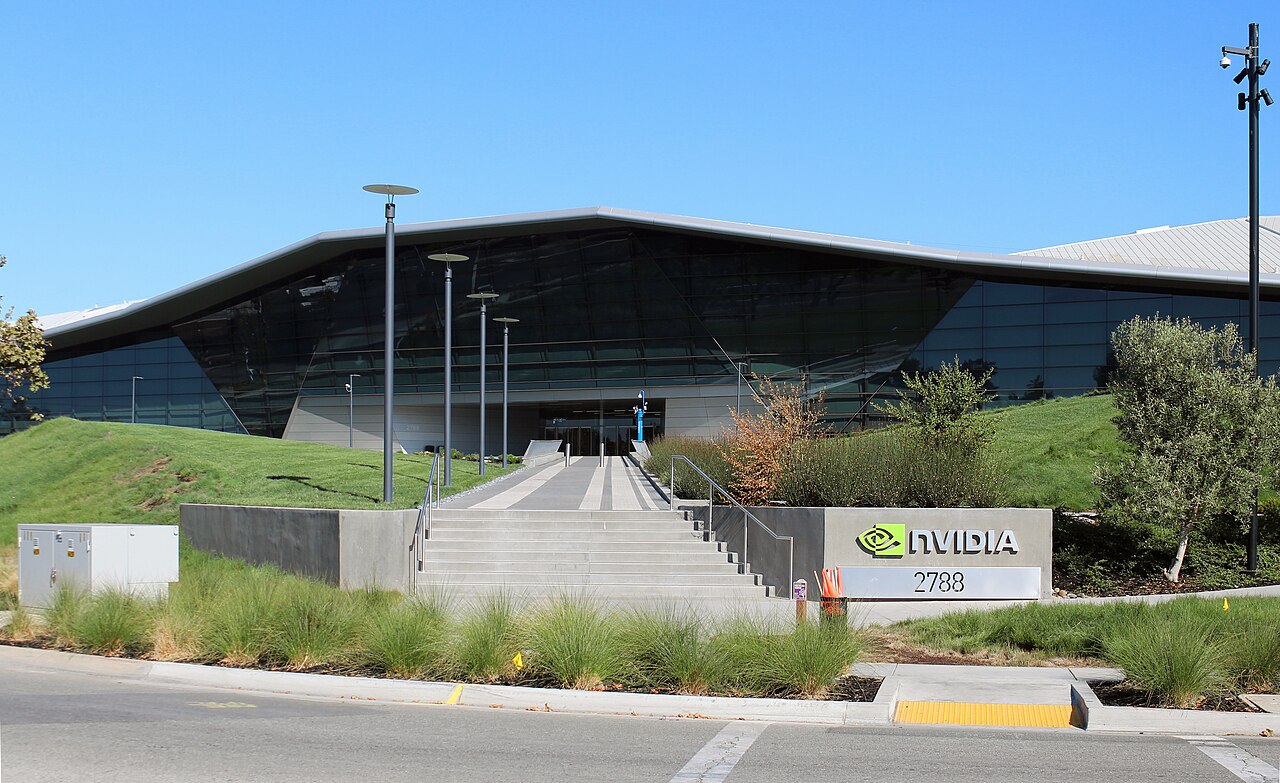
NVIDIA Open-Sources the SMLib CAD Kernel as USD BRep: What Makers Actually Get
NVIDIA has released USD BRep, an Apache 2.0 NURBS solid-modeling kernel built on SMLib with C++ and Python APIs, giving makers and AI-agent tinkerers a free, scriptable source of exact geometry, though NVIDIA's own docs warn that repairs can fail silently.
-
Industry
Entry-Level Printers Now Earn 49% of 3D Printer Revenue as Q2 2026 Sales Jump 31%, CONTEXT Says
CONTEXT's Q2 2026 figures show 3D printer hardware revenue up 31%. Sub-$2,500 machines now bring in 49% of trailing-year revenue, and four Shenzhen vendors ship 87% of those units, while professional-class sales shrink and the analyst firm warns of saturation.
-
Software
Extrudio Renders Product Photos From Your G-Code, Not Your STL
Extrudio builds product shots by sweeping a virtual plastic bead along sliced G-code toolpaths, so real layer lines and stair-stepping show up. It works with Bambu Studio, OrcaSlicer and PrusaSlicer output and gives new accounts 20 free credits, though Hackaday readers pushed back on its $12 pricing.
Page 5 of 56
