
All articles
-
Materials
Queen's University Belfast 3D Prints Dissolving Microneedles to Deliver Skin-Cancer Drugs
QUB researchers used single-step DLP printing to embed two cancer drugs directly into dissolvable microneedle resin, skipping the coating step and enabling tunable two-phase release.
-
Business
restor3d Launches MyFit to Track Patients Through Their 3D-Printed Implant Journey
Orthopedic implant maker restor3d debuted MyFit, a patient app pairing SMS updates and 3D visualization of a patient's implant with a five-year, ~2,250-patient outcomes registry.
-
Software
Tripo AI Raises $445M, Debuts Tripo P2.0 — First Quad-Topology Text-to-3D Model
Generative-3D startup Tripo AI closed a ~$445–447M Series B/B+ led by MPCi and unveiled Tripo P2.0, which it says is the first text/image-to-3D foundation model to output clean quad meshes instead of only triangles.
-
Industry
America Makes Puts $13.2M Behind EWI's INSITE Project to Fix Metal 3D Printing's Quality-Check Bottleneck
America Makes awarded EWI $13.2M for a three-year project combining real-time build monitoring with AI-assisted inspection to speed up quality verification for metal AM parts destined for defense certification.
-
Guides
A YouTuber Pit $250 Desktop PC-ABS Against a Six-Figure Stratasys Fortus — the Industrial Machine Barely Won
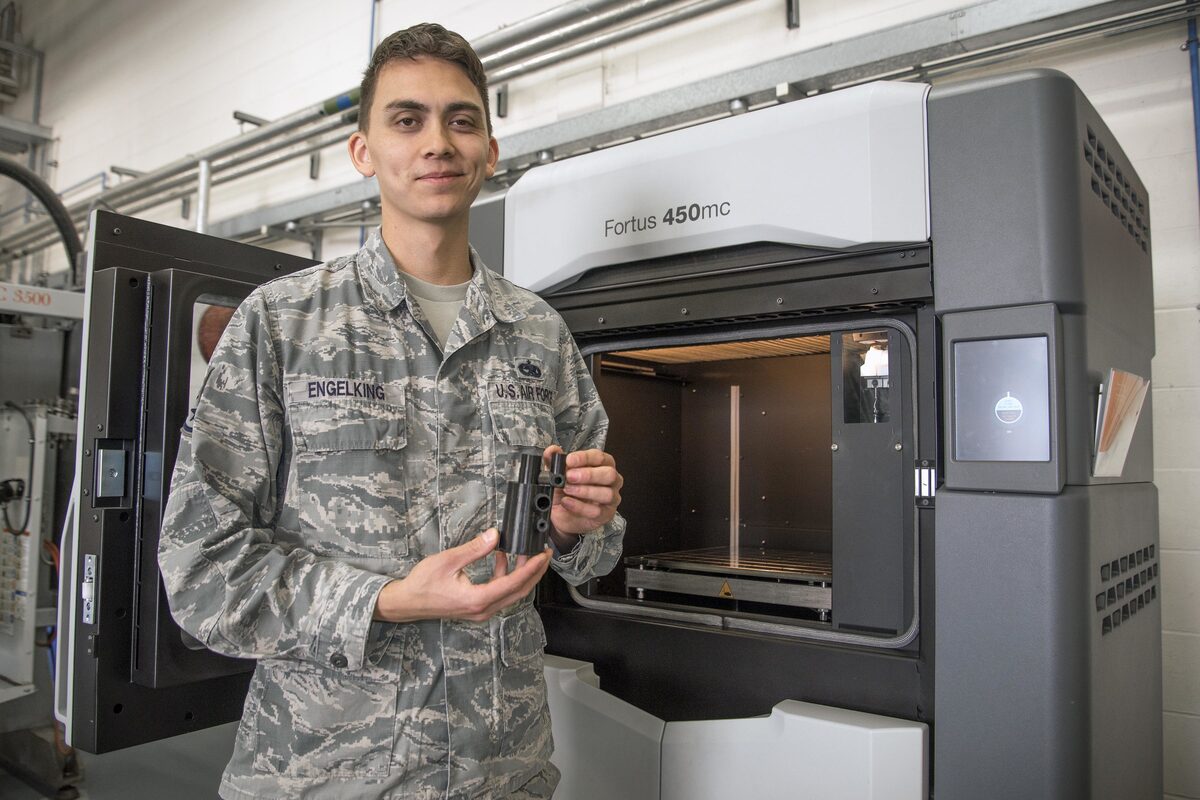
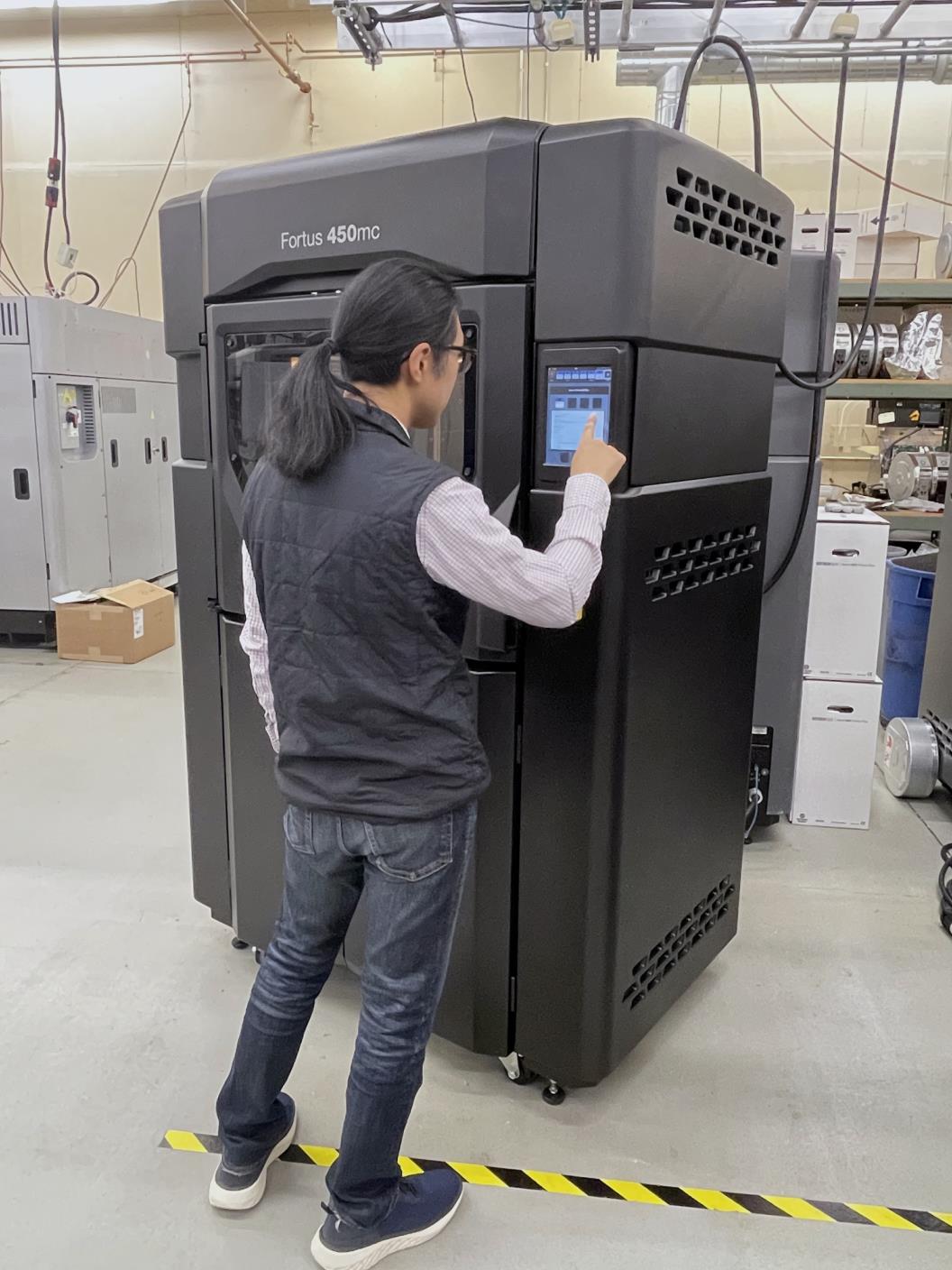
My Tech Fun's head-to-head found desktop PC-ABS from a Prusa Core One L and Bambu Lab H2D nearly matched a six-figure Stratasys Fortus 450mc on strength and beat it on looks, with dimensional accuracy the industrial machine's only clear win.
-
Printers
FibreSeek Opens Global Pre-Sale for the FibreSeeker 3, a Desktop Continuous-Fiber Printer at $3,199
Fresh off a $4.7M Kickstarter, FibreSeek is pre-selling 500 units of the FibreSeeker 3, a $3,199 desktop printer that co-extrudes continuous carbon fiber for a claimed 900 MPa tensile strength.
-
Materials
FOMAS Group Extends Nuclear-Grade ISO 19443 Certification to Its MIMETE Metal Powders
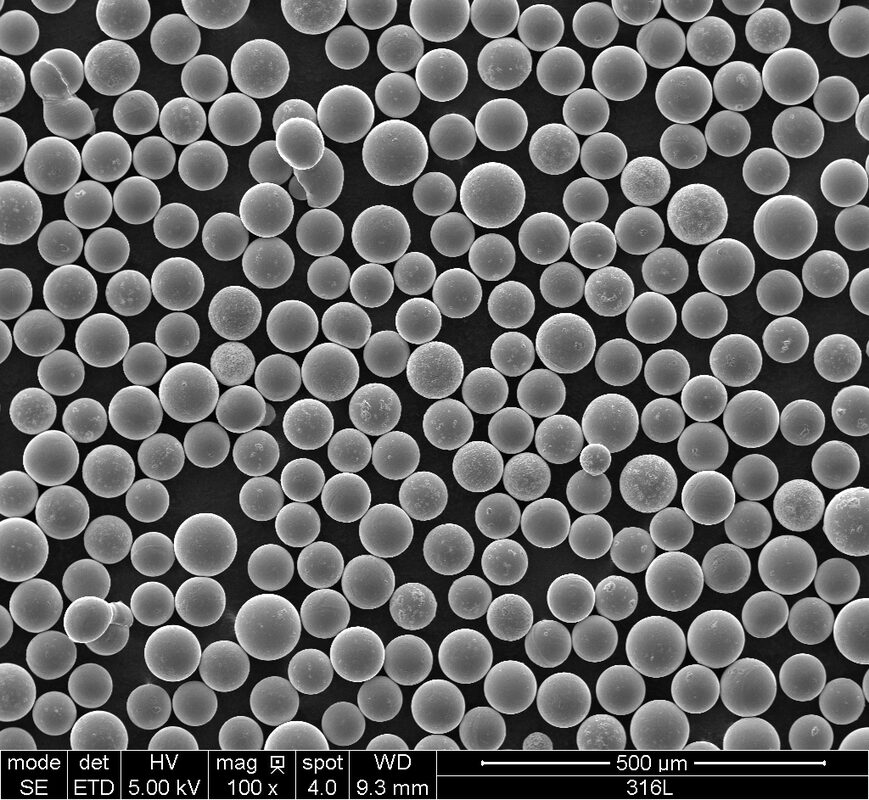
Italian powder maker FOMAS Group has certified its MIMETE gas-atomized iron, nickel, and cobalt powders to ISO 19443, opening the door to nuclear turbine and heat-exchanger components alongside its aerospace and oil & gas business.
-
Business
Stratasys Launches the F870, a Large-Format FDM System Toyota and Rivian Are Already Testing
Stratasys unveiled the F870, a 1000x610x610mm fully heated-chamber FDM printer aimed at factory tooling, with Toyota and Rivian already evaluating it ahead of its IMTS 2026 debut in Chicago.
-
Printers
Creality Debuts HALOT-X1 Resin Line, Pika 3D Scanner and Ender-3 V3 Mega at IFA 2026
At IFA Berlin, Creality quietly rolled out a second wave of hardware beyond its K3/SPARKX i8 headliners: a flagship and entry resin printer, a 420mm-cubed FDM machine, and a 260g handheld AI 3D scanner.
-
Industry
GKN Aerospace Flies UAV Demonstrator With ITAR-Free 3D-Printed Engine
GKN Aerospace's EUR13.6M Project Otto pairs a Swedish FMV-backed UAV demonstrator with a 3D-printed propulsion system built to carry no ITAR-controlled parts, targeting first flight by early 2027.
-
Guides
PCTG vs. PETG: MyTechFun's Impact Test Settles the Toughness Question
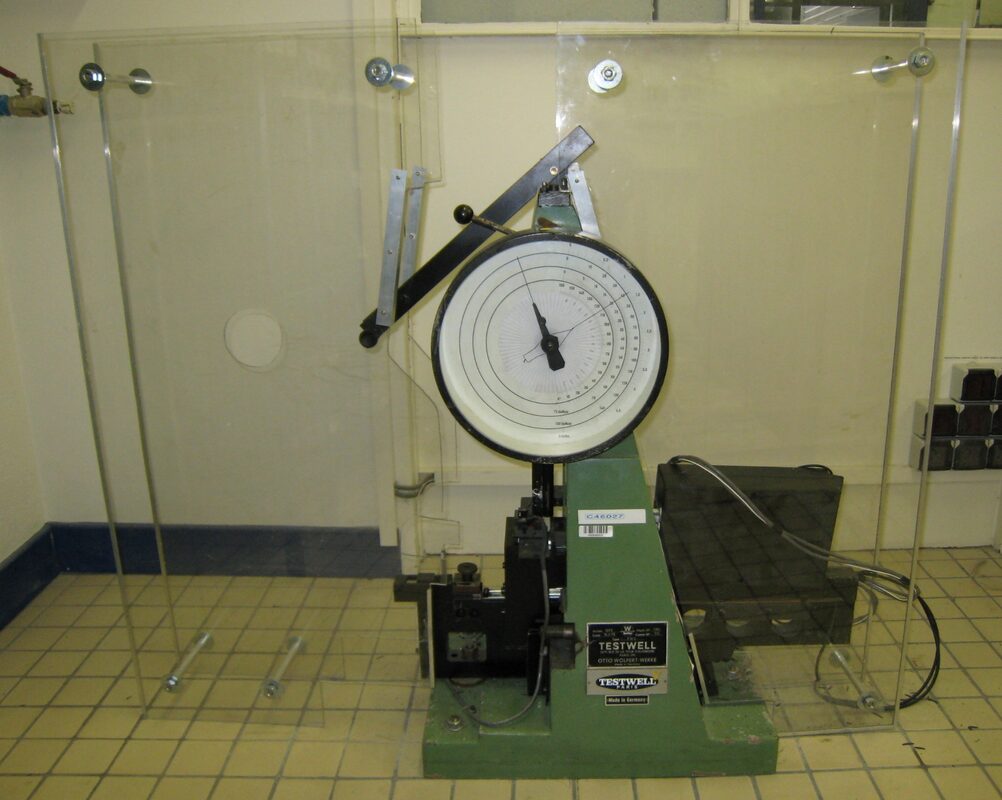
A side-by-side Izod impact test on matched Fiberlogy PETG and PCTG spools shows PCTG bending instead of snapping — but that toughness comes with ASA-like print temperatures.
-
Materials
TU Wien Team Regrows Rabbit Cartilage With Two-Photon-Printed Microscaffolds
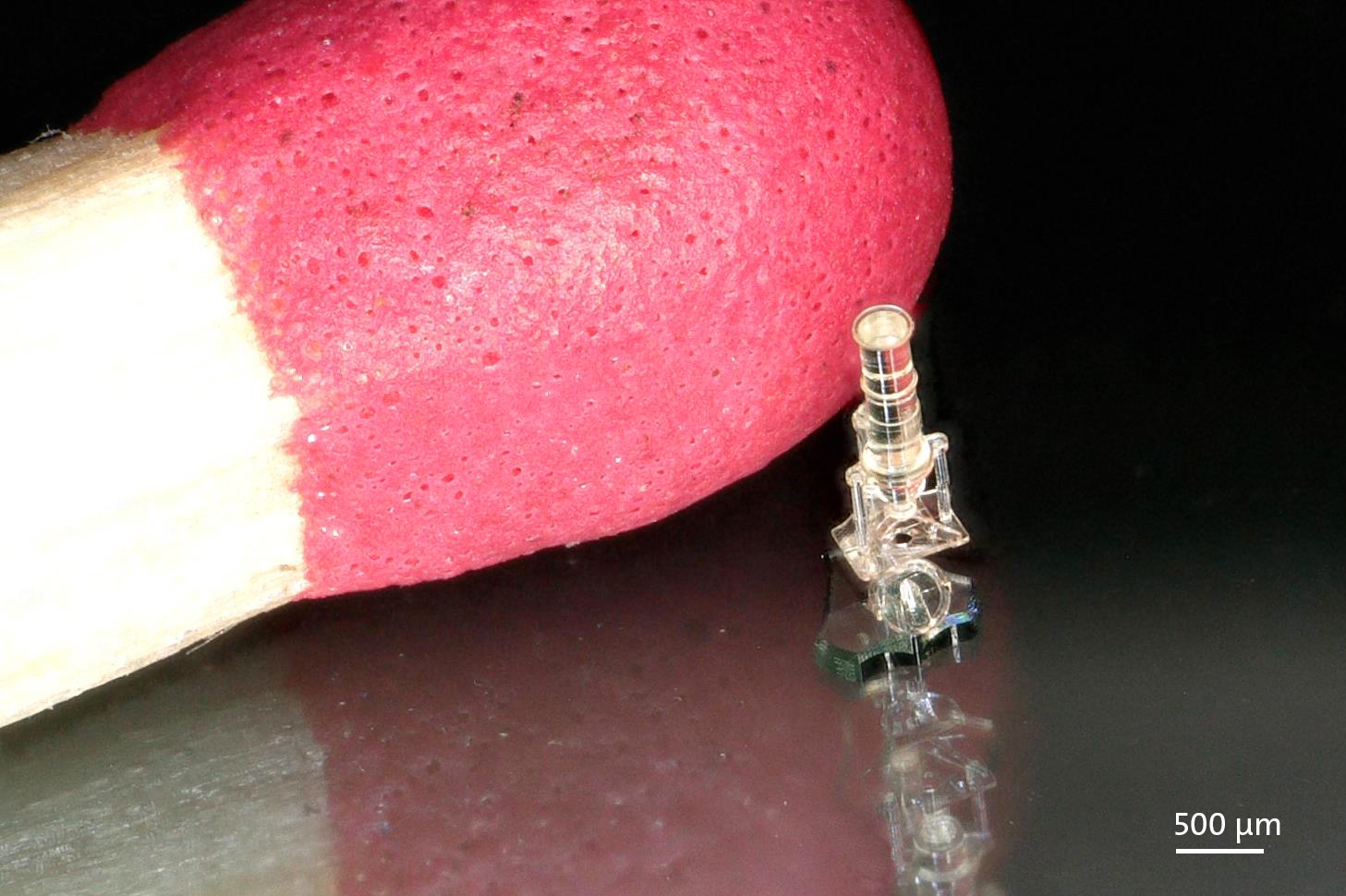
Vienna researchers used multiphoton lithography and a biodegradable resin to print 0.3mm cartilage scaffolds that restored ~91% of natural cartilage thickness in a 12-week rabbit knee study.
Page 17 of 56
