
All articles
-
Industry
UK Charity 3D Prints Ultrasound Scans So Blind Parents Can Feel Their Baby's First Photo
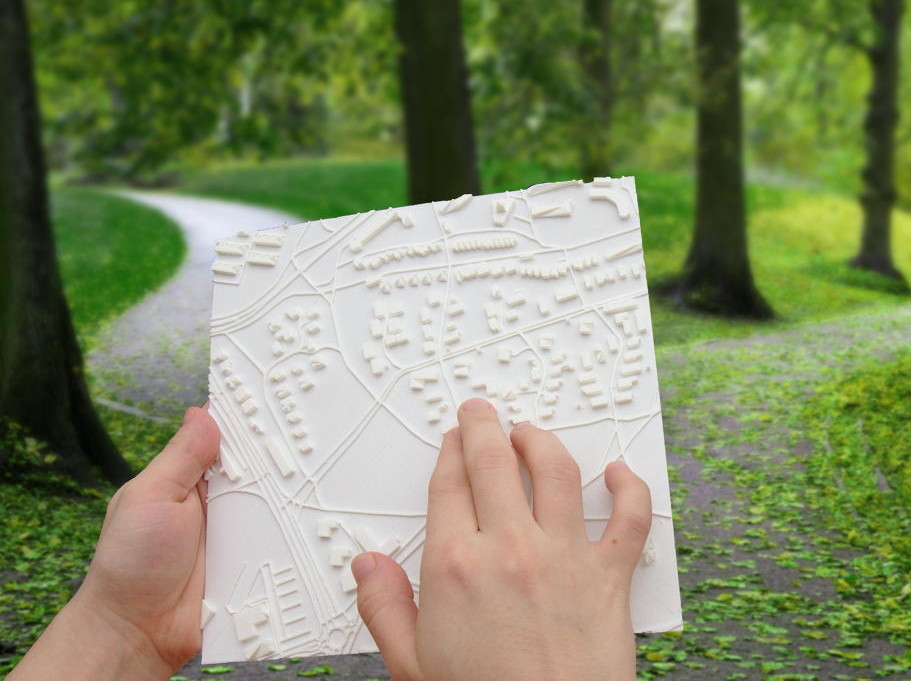
Guide Dogs UK's free 'First Hello' pilot turns a 20-week ultrasound JPG into a touchable 3D-printed sonogram, mailed within a week to visually impaired parents and relatives, capped at 50 prints.
-
Printers
HeyGears Reflex RS Turbo Pushes Resin Printing Speed 33% Faster for Miniature Makers
HeyGears' new UltraCraft Reflex RS Turbo pairs a 10.3-inch 8K Amber Screen and a C5-grade ballscrew Z-axis with a "Dynamic Motion Algorithm 3.0" that the company says cuts print time up to 33% without losing detail on miniatures.
-
Business
SPEE3D Hands Global CEO Role to Bryan O'Connor as Founder Moves to Chase US Defense Growth
Cold-spray metal printing pioneer SPEE3D named 30-year aerospace/defense veteran Bryan O'Connor as Global CEO while co-founder Byron Kennedy relocates to the US to personally drive growth in the company's largest market.
-
Business
Bechtle Swallows Its Biggest HP 3D-Printing Rival, Buying Kaut-Bullinger's Additive Business
Bechtle has acquired Kaut-Bullinger's entire HP 3D-printing operation in Germany and Austria, becoming Germany's largest HP additive manufacturing partner as the family-owned reseller exits the sector for good.
-
Printers
Mosaic Manufacturing Launches Orion, a 3D Printer Built Just for Custom Orthotics
Mosaic's new belt-based Orion system bundles hardware, Stryde software, and materials to help orthotics labs print up to 300 patient-specific pairs a month at roughly $6 each.
-
Industry
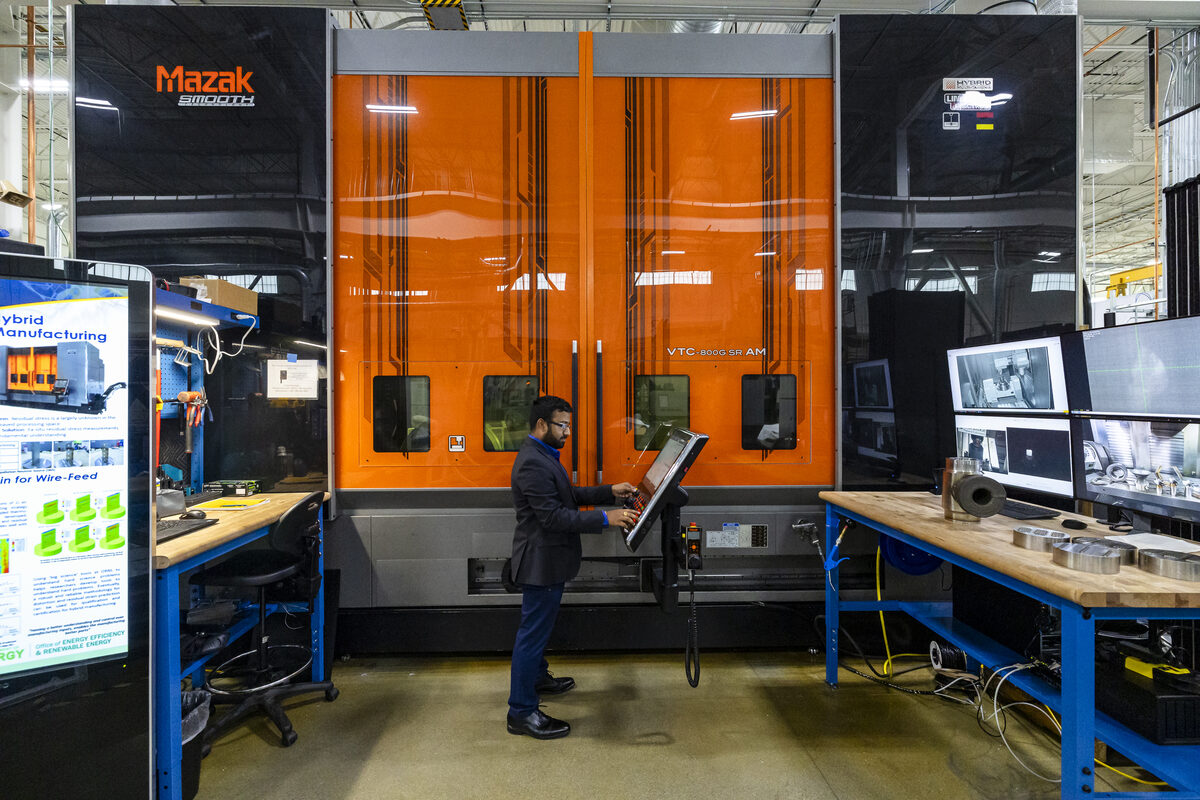
ORNL and Mazak Debut a Hybrid Metal Printer That Welds and Machines in One Line at IMTS 2026
Oak Ridge National Laboratory and Mazak unveiled the VC-Ez WAAM platform at IMTS 2026, fusing Fronius wire-arc metal printing with a five-axis machining center for structural repairs, tooling and near-net-shape parts.
-
Software
Snapmaker Pulls Back the Curtain on Space, Its New Model Marketplace, at Formnext Asia Shenzhen
At its Formnext Asia Shenzhen booth, Snapmaker confirmed Snapmaker Space — a curated model platform built around the U1's color-mixing tech — has entered closed beta with 1,000+ ready-to-print designs and a Meshy AI partnership.
-
Materials
China's VMP Powers Toward 10,000 Tonnes a Year in the Race to Dominate AM Metal Powder
Jiangsu Vilory Advanced Materials just raised $46M on the back of $51M in 2025 revenue, plotting a path from 30 atomization lines to a 10,000+ tonne/year titanium, copper, and steel powder empire feeding aerospace, medical, and now consumer-electronics printers.
-
Industry
Formnext Asia Shenzhen 2026 Draws Record 34,202 Visitors, Up 65% as China's AM Scene Expands
Formnext Asia Shenzhen's 2026 edition pulled a record 34,202 visitors from 113 countries and 330 exhibitors, up 65% year over year, with new programming on robotics, AI-cooling, and 3D-printed footwear.
-
Business
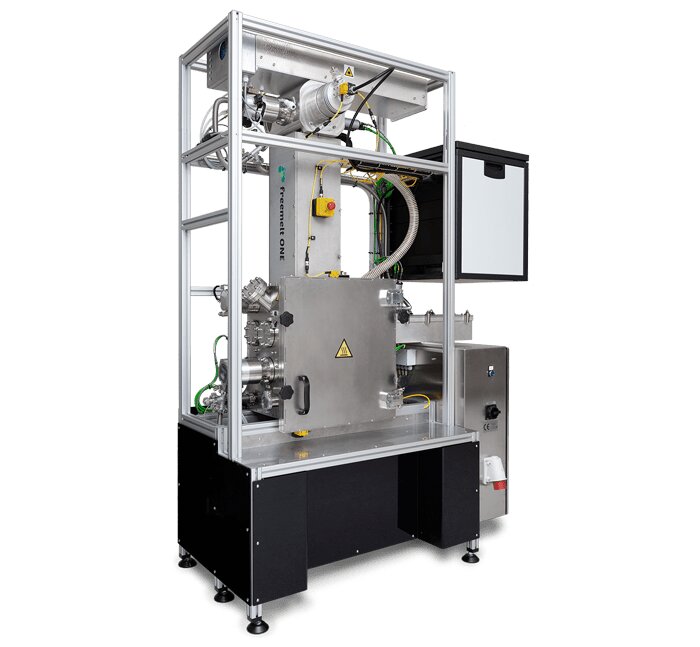
Freemelt Restructures Into a Two-Track Metal-AM Business as Manufacturing Services Enter the Mix
Swedish electron-beam metal printer maker Freemelt is splitting into machine sales and a new component-manufacturing arm, betting that customers now want finished parts as much as printers — a move that expands its claimed addressable market roughly twentyfold.
-
Printers
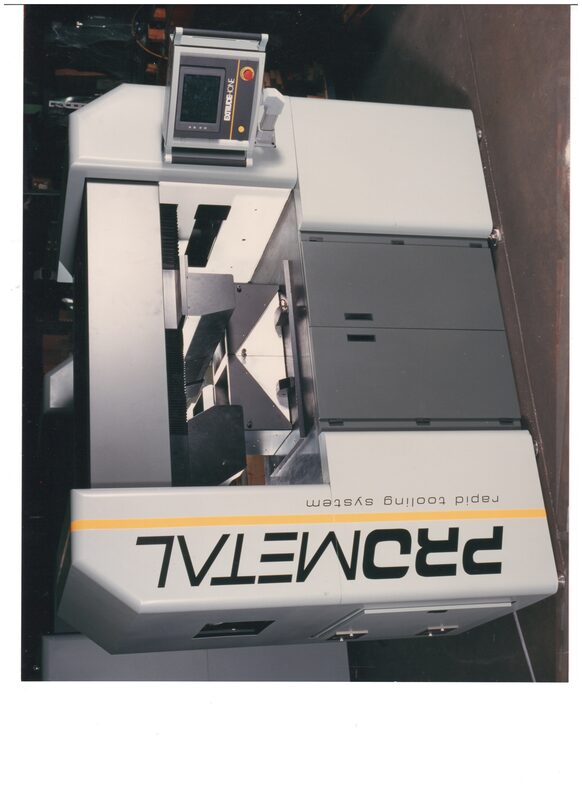
Hyundai Installs Twin ExOne VX1000 HSS Printers to Sinter Full Door Panels at Namyang
Hyundai has installed two ExOne VX1000 High Speed Sintering printers at its new Namyang AM center, each able to sinter a complete PA12 door panel in one run via an 8,000-nozzle infrared printhead.
-
Software
Meshy 7.1 Doubles Geometry Resolution to 4096³, Claims the Industry's Most Detailed AI-Generated Meshes
A day after reviewers put Meshy 7 through its FDM paces, Meshy 7.1 quietly doubled voxel resolution to 4096³ and rolled out a self-authored benchmark claiming a clean sweep over Rodin 2.5 and Hi3D 3.0.

Page 15 of 56
