
All articles
-
Materials
RMIT 3D Prints a Titanium Lattice That Floats — and Survives Two Weeks in Seawater
RMIT engineers 3D printed a foam-filled titanium lattice that floats despite being 70% stronger than equal-density steel or HDPE, and it barely degraded after two weeks in Port Phillip Bay.
-
Industry
Europe's Largest 3D-Printed Housing Project Welcomes Its First Residents in Denmark
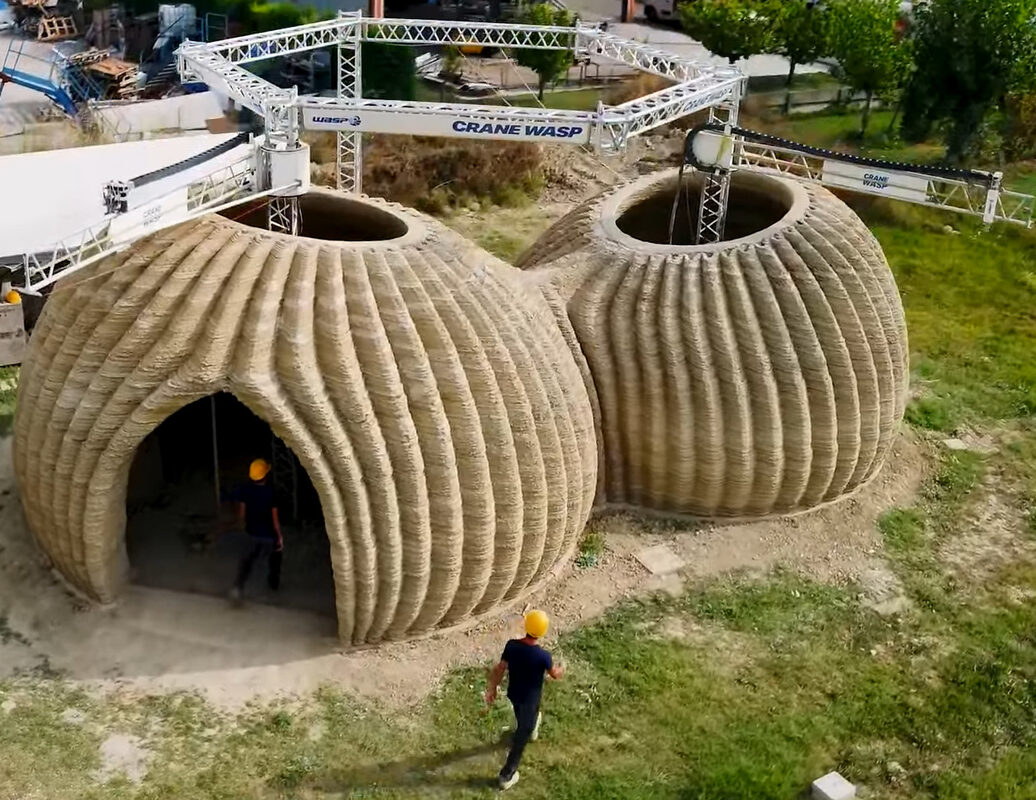
Denmark's 36-unit Skovsporet development — printed with COBOD's BOD3 and finishing its last building at roughly one apartment per day — has moved in its first student tenants under the country's subsidized-housing cost cap.
-
Business
XTPL Calls Shareholder Vote to Bring In a Taiwanese Semiconductor Fund
Polish micro-dispensing firm XTPL has called a September 29 vote on a $3.5M investment from an undisclosed Taiwanese deep-tech fund, its first backer from the region.
-
Materials
AI Cuts a 100-Million-Option Search to 40 Trials for NASA's Toughest Copper Alloy
A Washington State/Minnesota AI framework called BEAM found working directed-energy-deposition settings for NASA's GRCop-42 copper alloy at 500W — a power level no one has printed it at before — using about 40 physical trials instead of manual guesswork.
-
Guides
Has FDM 3D Printing Hit Its Ceiling?
A Hackaday analysis argues consumer FDM has stalled mechanically since 2020 even as color and tool-changing trickle down to budget machines — so is it time to look past the nozzle?
-
Printers
Japan Fast-Tracks a 3D-Printed Interceptor Drone to Mass Production in Three Months
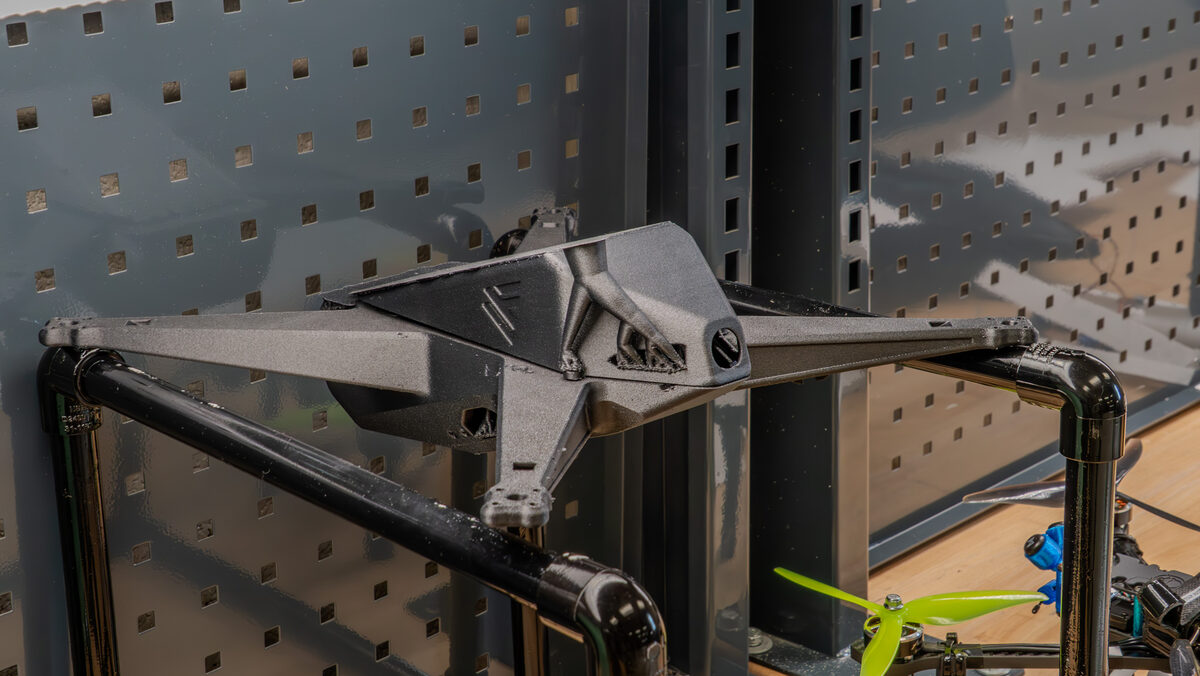
Terra Drone's 3D-printed Terra B1 interceptor was the only system to pass Japan's ATLA demonstration test, and the agency is pushing it to mass production in roughly three months instead of the usual one to two years.
-
Business
Quickparts Puts $6 Million Into a Fourth Country's Worth of Stratasys Printers
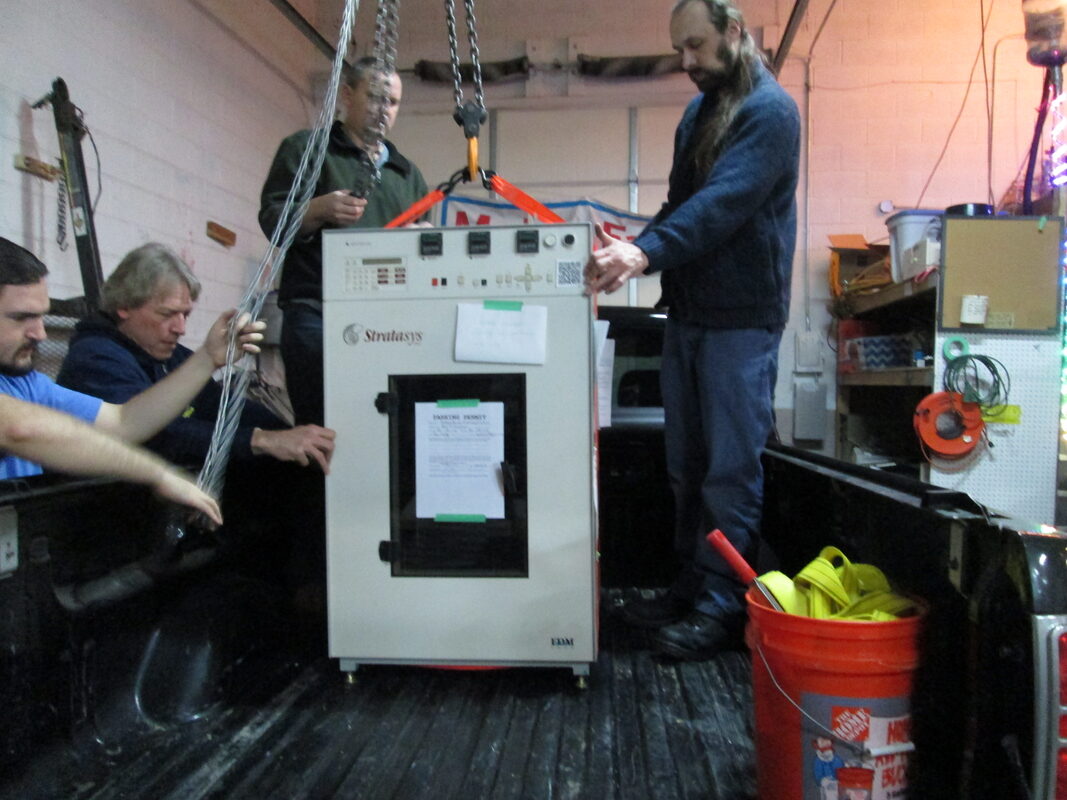
Quickparts is installing 12 Stratasys NEO large-format SLA systems across the US, France, Italy, and UK in a nearly $6 million bet that identical, requalified capacity in four countries beats betting on one.
-
Industry
European Neurosurgeons Bring 3D Printing In-House
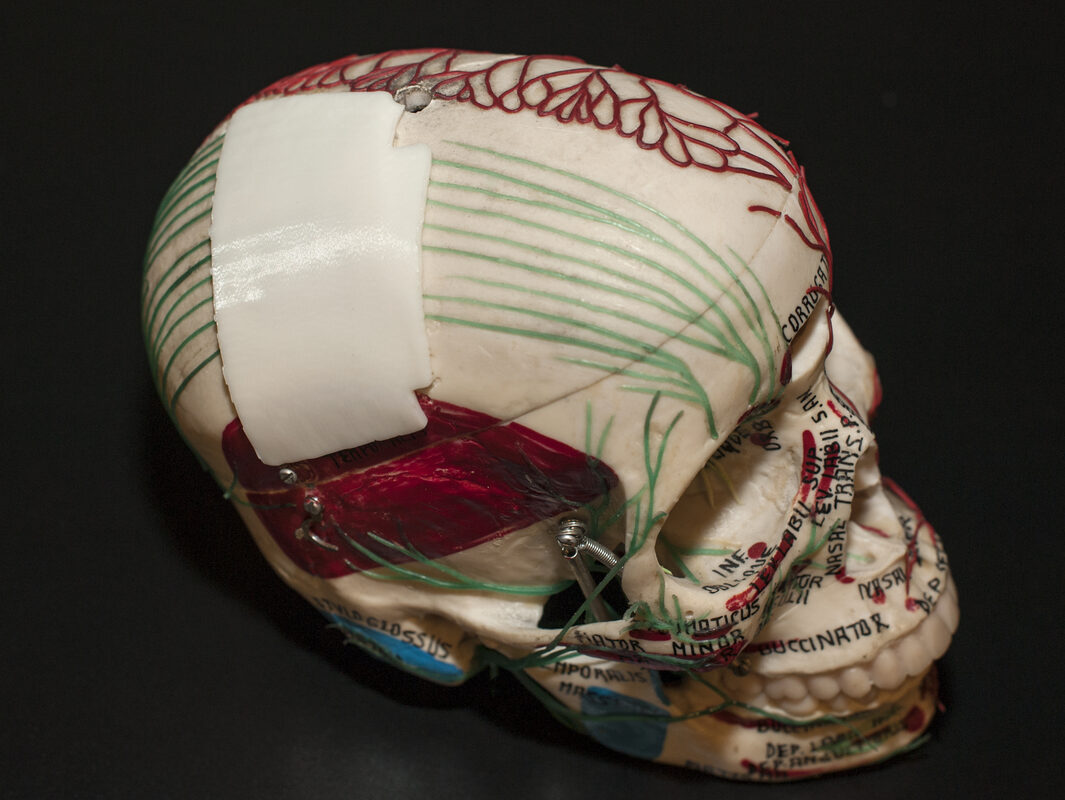
A five-year longitudinal survey of European neurosurgery departments shows outsourced 3D printing collapsing to zero while hospitals start fabricating functional implants, not just anatomical models, in-house.
-
Software
Additive Willmann Adopts amsight Software to Digitize Metal-AM Quality Traceability
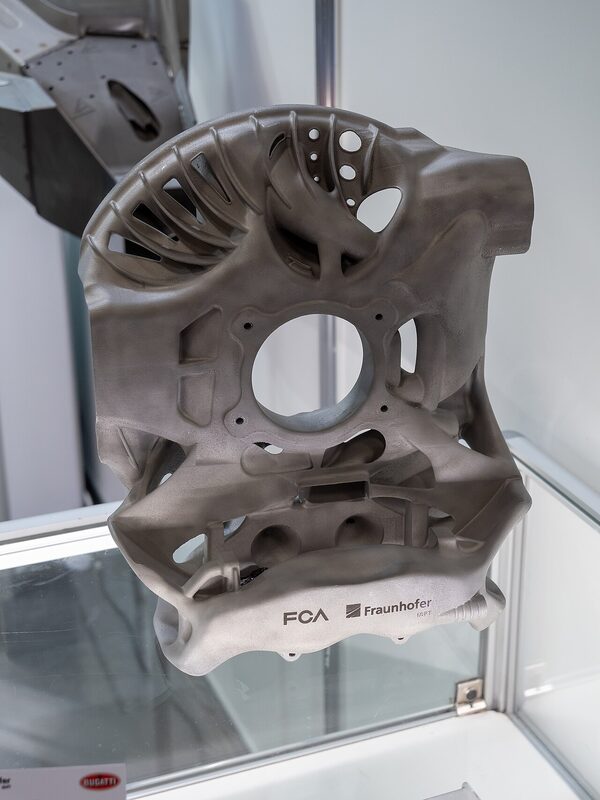
German metal-AM service provider Additive Willmann is deploying amsight's quality-management software to link powder, process, and inspection data at the part level as it scales from project work to serial production.
-
Business
AML3D Posts Record FY2026 Revenue and Its First Profitable Half as ARCEMY Orders Pile Up
Australian wire-arc metal printer maker AML3D closed FY2026 with A$12.5M in revenue (+70%), its first profitable half, and a A$78M pipeline as ARCEMY systems keep landing in the US Navy's supply chain.
-
Printers
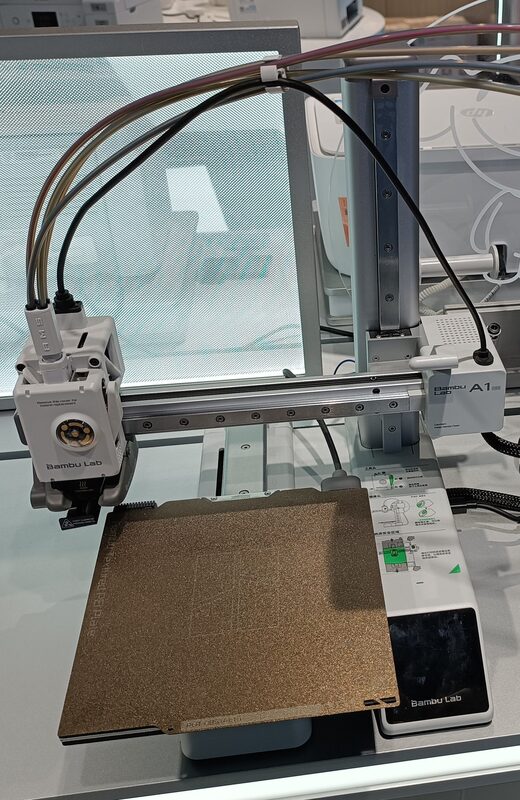
Bambu Lab Patent Filings Point to an Automatic Printhead-Swapping System With Built-In Nozzle Monitoring
Newly surfaced Bambu Lab patents describe a rack-based system for swapping printheads mid-print, paired with nozzle-integrated lighting for camera monitoring and magnetic alignment hardware to keep swapped heads precisely positioned.
-
Materials
Continuous Composites Wins Navy Phase II Contract to 3D Print UAV Structures With Embedded Wiring
The Navy is funding a 30-month push to print copper wiring and fiber optics directly inside load-bearing composite UAV parts, aiming to kill the wire harness entirely.


Page 19 of 56
