Materials
Filaments, resins, and material properties — what to print with, how it behaves, and what it costs.
-
Materials
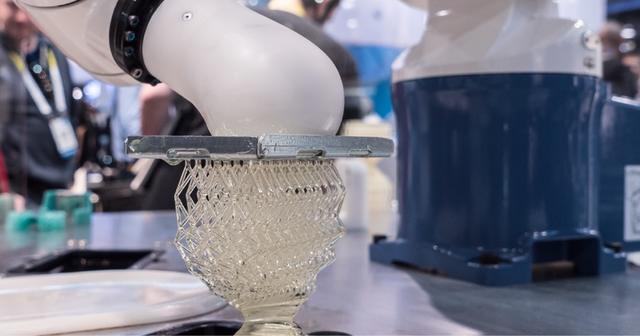
Taiwanese Designers Turn London's Tea and Coffee Waste Into 3D Printed Furniture
Three Taiwanese designers collected spent tea leaves and coffee grounds from London shops, compounded them with PLA, and robotically printed furniture and lighting for the 2026 London Design Festival.
-
Materials
DEEP Manufacturing Marks 18 Months as the Only Fully DNV-Certified WAAM Producer
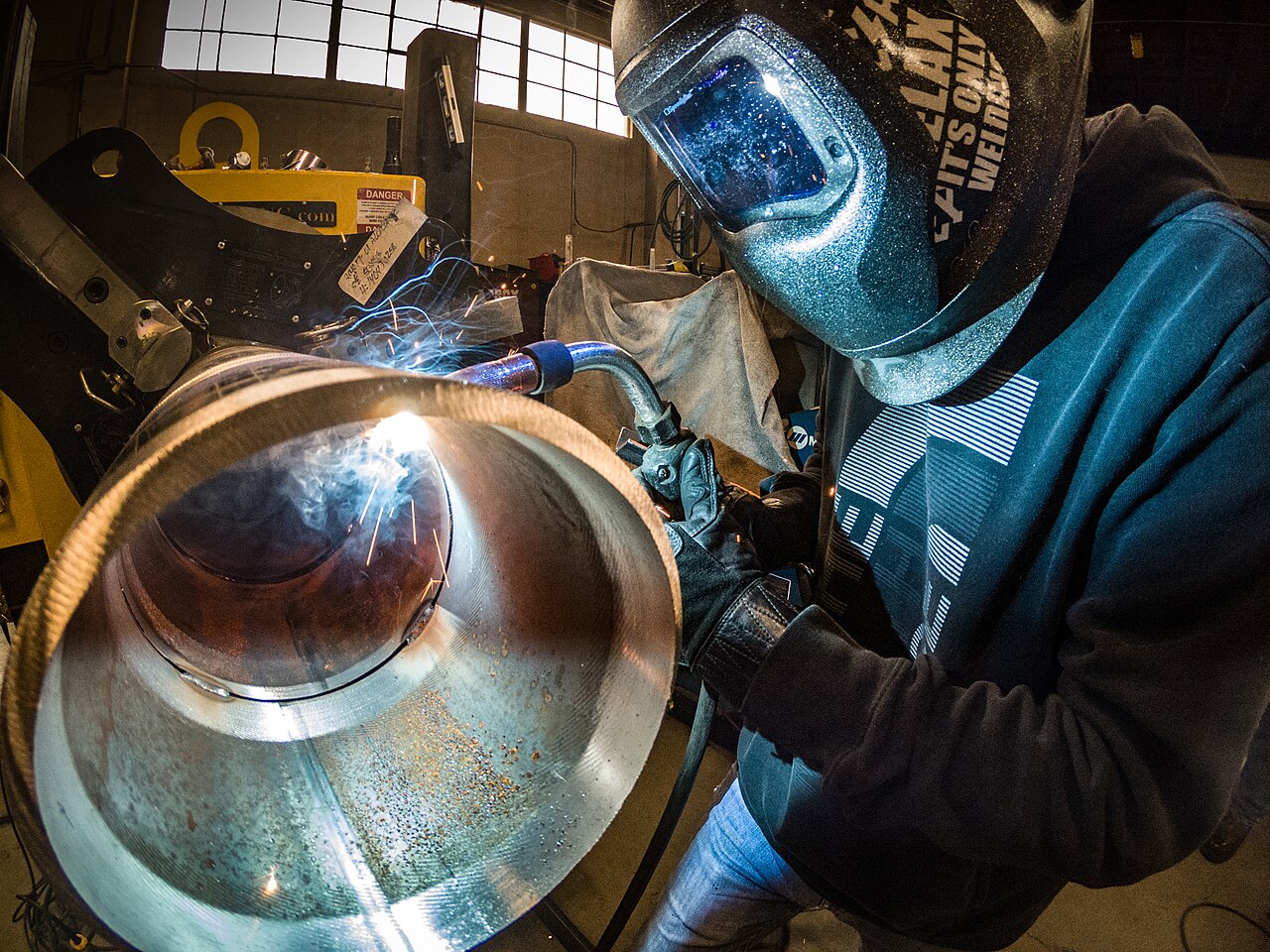
DEEP Manufacturing says it's running certified, round-the-clock wire arc additive manufacturing across two continents on the strength of a DNV pressure-vessel approval no other European producer holds.
-
Materials
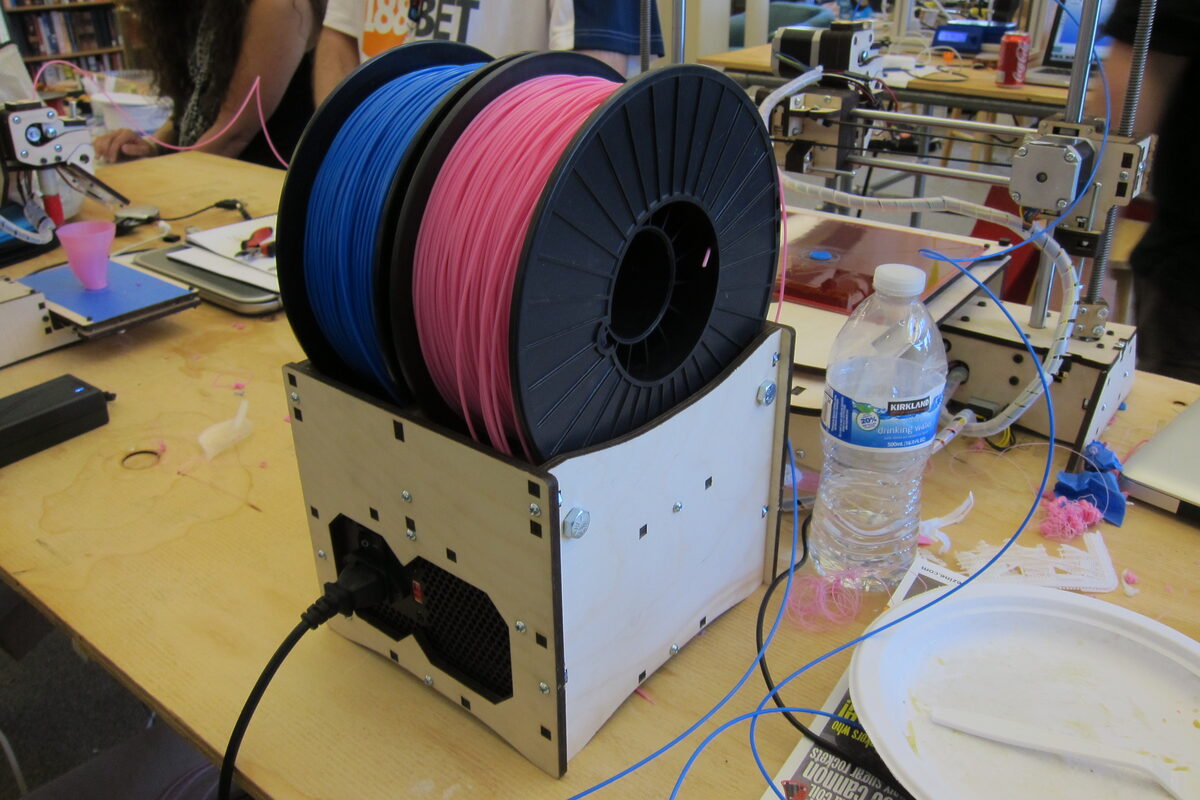
Prusament PLA Lightweight: A Foaming Filament That Prints 65% Lighter and Stretches a Spool 2-3x
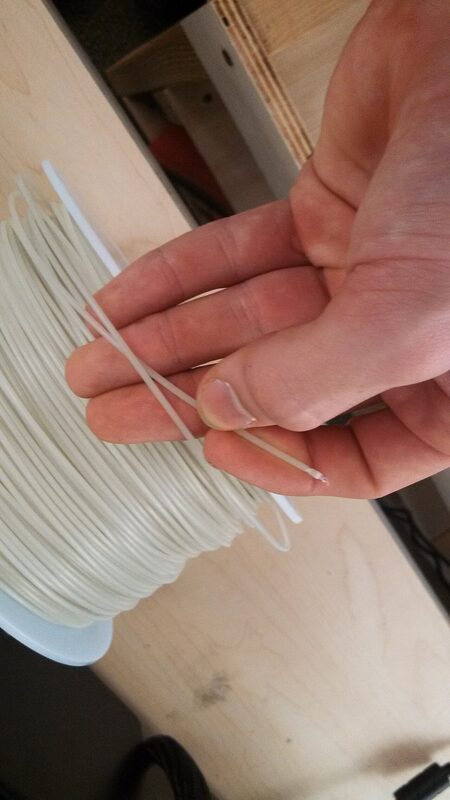
Prusa's new actively foaming PLA prints up to 65% lighter and stretches a spool 2-3x, but it demands a 0.45 extrusion multiplier, careful tuning and drying, and an independent hands-on confirms the stringing and scratching caveats.
-
Materials
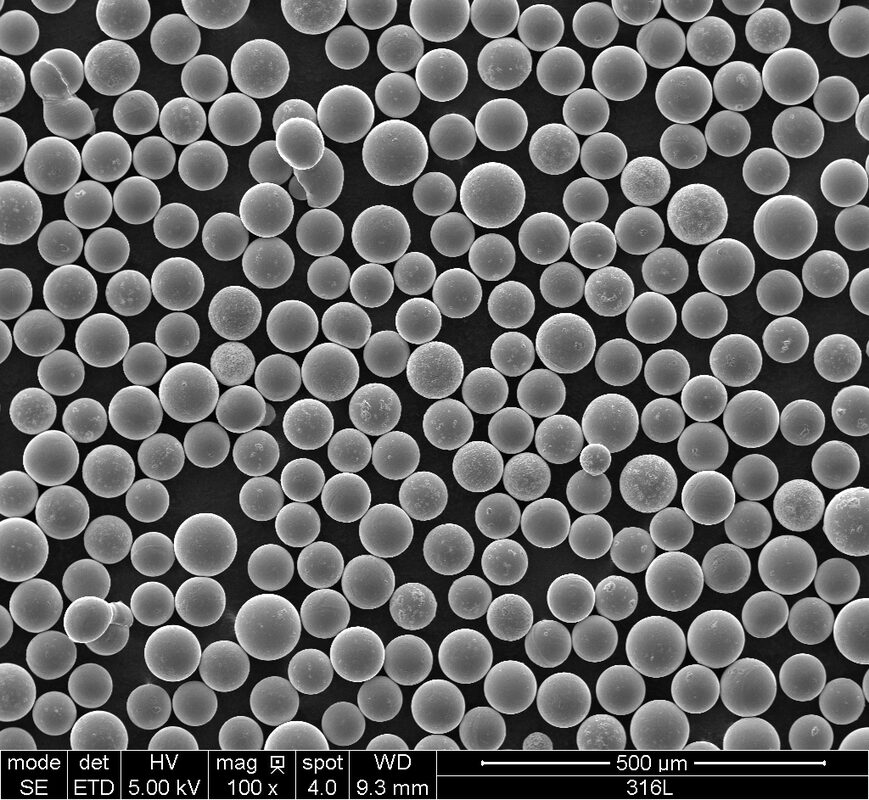
IperionX Validates GenX, a Continuous Titanium Powder Furnace That Cuts Power Use Over 75%
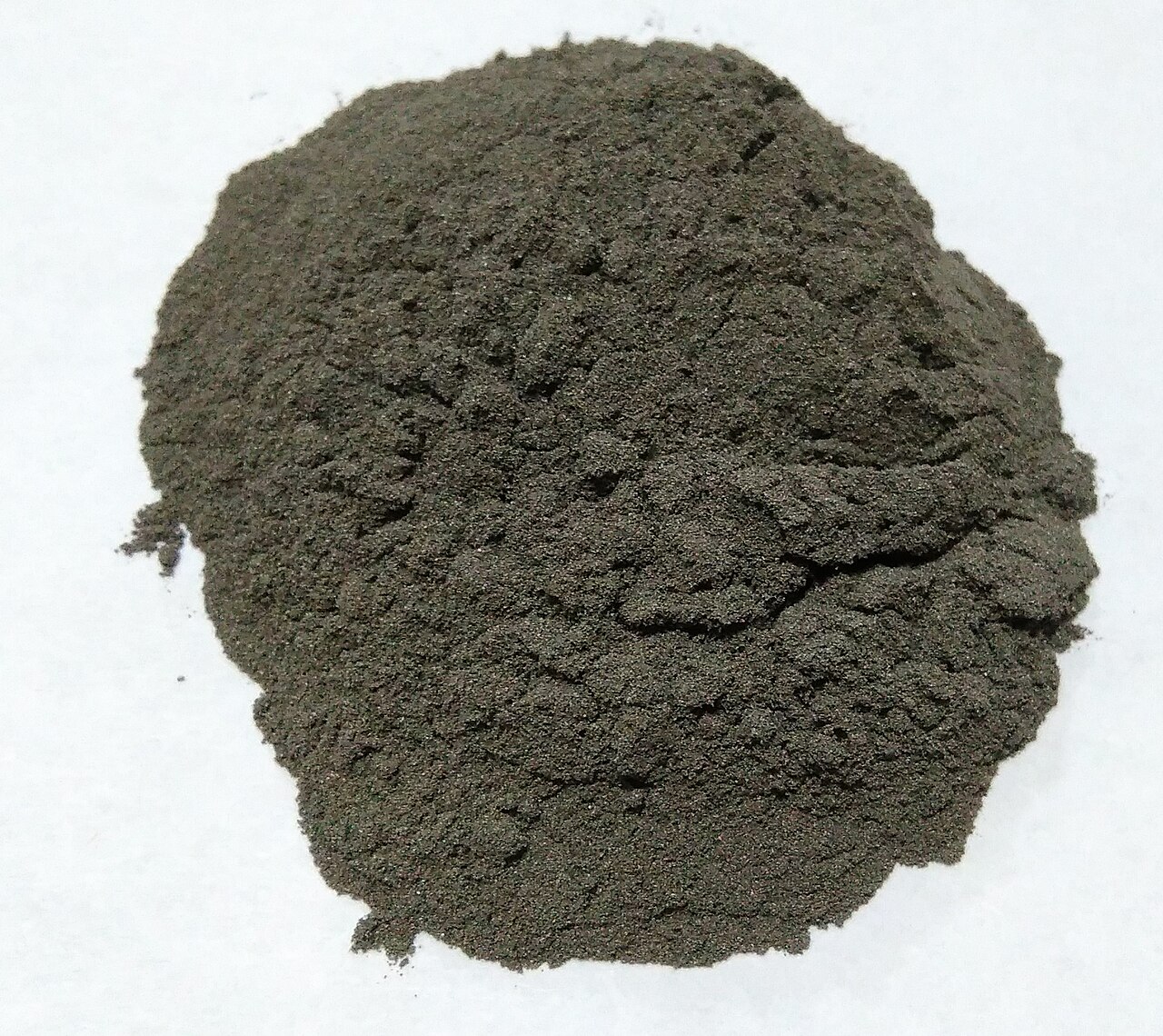
IperionX says its continuous GenX furnace ran 500+ kg of titanium powder at about 12 kg/h, hit ASTM oxygen benchmarks, and cut power over 75% versus its own batch HAMR process. It is a feedstock milestone for metal AM.
-
Materials
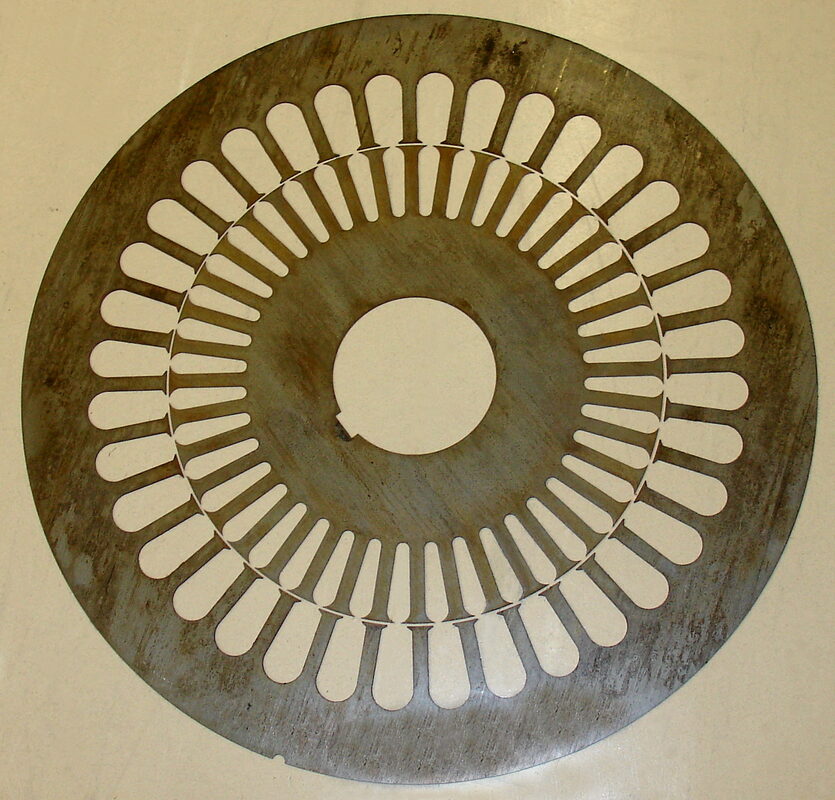
3D Printed Iron-Based Metallic Glass Could Cut Losses in Electric Motors
A Saarland University and IMDEA Materials team 3D printed an Fe-Si-B-Nb-Ni metallic glass via LPBF with coercivity of just 44 A/m, at least 10x lower than prior rare-earth-free iron-based metallic glasses made the same way.
-
Materials
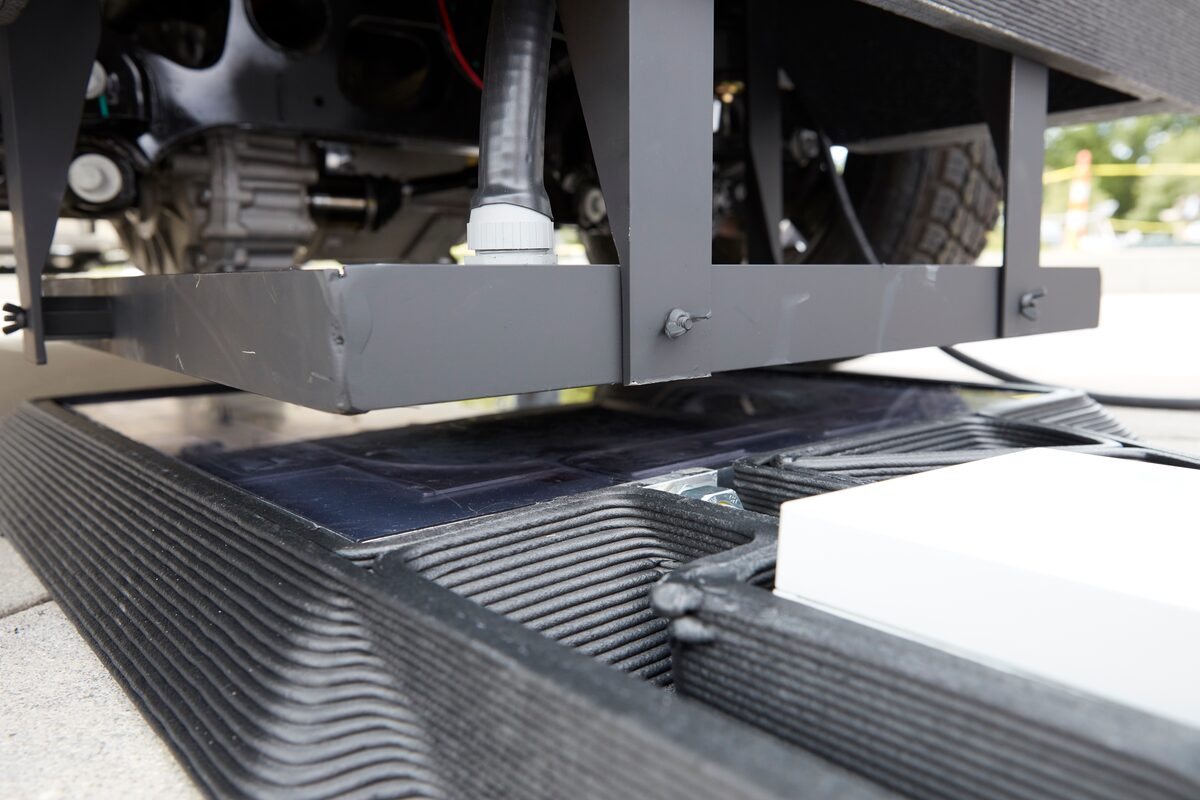
MIT Spinout Prints Building Trusses From Recycled Plastic That Beat Wood on Strength
Atlas Building Composites, an MIT HAUS spinout, 3D prints waste-plastic-and-fiberglass trusses that hold 4,000+ pounds and already carried the Army Corps of Engineers across a Massachusetts wetland bridge.
-
Materials
China's VMP Powers Toward 10,000 Tonnes a Year in the Race to Dominate AM Metal Powder
Jiangsu Vilory Advanced Materials just raised $46M on the back of $51M in 2025 revenue, plotting a path from 30 atomization lines to a 10,000+ tonne/year titanium, copper, and steel powder empire feeding aerospace, medical, and now consumer-electronics printers.
-
Materials
Stratasys Debuts Somos Resolute Gray SLA Resin and Military-Grade ASA Colors Ahead of IMTS 2026
Stratasys is heading to IMTS 2026 with a new production-grade SLA resin, defense-specific ASA colors for Fortus FDM systems, and a trinckle-built app suite in GrabCAD Print — all pitched at aerospace, defense, automotive, and healthcare manufacturers.
-
Materials
Roboze Signs a Three-Year Deal With Tor Vergata University to Push PEEK Filament Further
Roboze has entered a three-year research agreement with Rome's Tor Vergata University to develop new PEEK-based filaments and thermoplastic matrices for aerospace, automotive, biomedical, and defense parts.
-
Materials
Prusa's New Prusament PLA ColorMix Turns Five Spools Into 45 Colors
Prusa's new Prusament PLA ColorMix bundle uses inkjet-style halftoning across five translucent CMYW+black spools to yield up to 45 printable shades on multi-material Prusa printers.
-
Materials
Queen's University Belfast 3D Prints Dissolving Microneedles to Deliver Skin-Cancer Drugs
QUB researchers used single-step DLP printing to embed two cancer drugs directly into dissolvable microneedle resin, skipping the coating step and enabling tunable two-phase release.
-
Materials
FOMAS Group Extends Nuclear-Grade ISO 19443 Certification to Its MIMETE Metal Powders
Italian powder maker FOMAS Group has certified its MIMETE gas-atomized iron, nickel, and cobalt powders to ISO 19443, opening the door to nuclear turbine and heat-exchanger components alongside its aerospace and oil & gas business.