Materials
Filaments, resins, and material properties — what to print with, how it behaves, and what it costs.
-
Materials
Apiar Carbon01 OG: A British 3D-Printed Watch With a CF-PEEK Case Over Titanium
London watchmaker Apiar's fifth 3D-printed watch puts a carbon-fiber PEEK outer case over a printed Grade 23 titanium core. Apiar calls it the first commercial watch made with composite-based additive manufacturing. It starts at $1,818.
-
Materials
Students' 3D-Printed PETG Jet Is Gunning for the RC Speed Record
The Mach Initiative's KingChaser, a 9 kg jet built mostly from PETG with a PPS-CF engine bay and a 300 N turbine, is aiming at the 465 mph RC jet record. Annealed PET-CF warped on the way there, and the jet has not flown yet.
-
Materials
Hyperion's Containerized TitanCell Will Turn Plastic Waste Into Boats in Timor-Leste
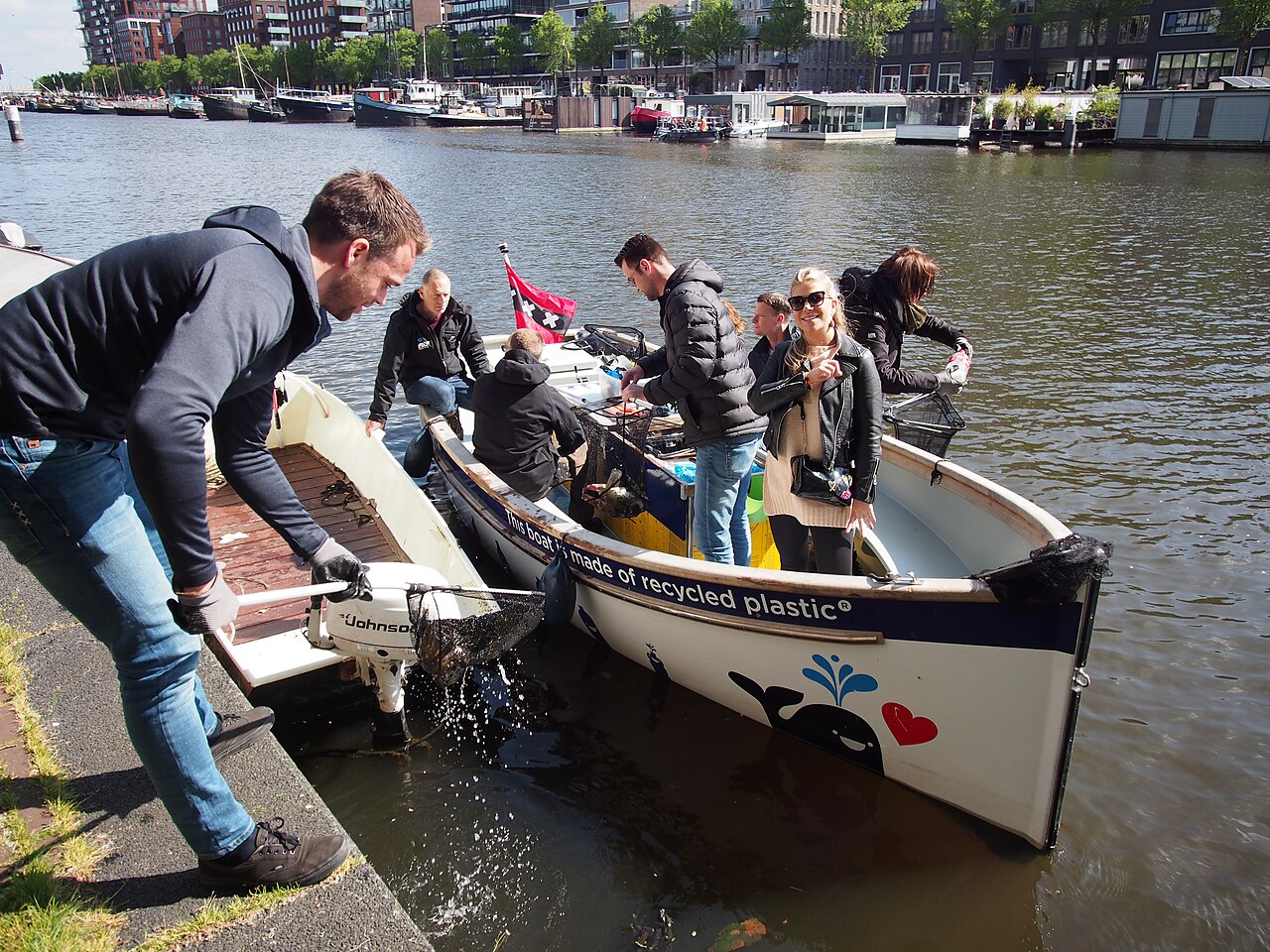
Hyperion Systems and Inspire Robotics plan to commission a shipping-container 3D printing factory in Timor-Leste later this year, printing boats, pontoons and housing parts from hard-to-recycle plastic, backed by a matched AU$385,000 Australian government grant.
-
Materials
MOI Composites Brings Four New Thermoset Feedstocks to Formnext 2026, Moving Its Robotic SFM Process Past a Single Material
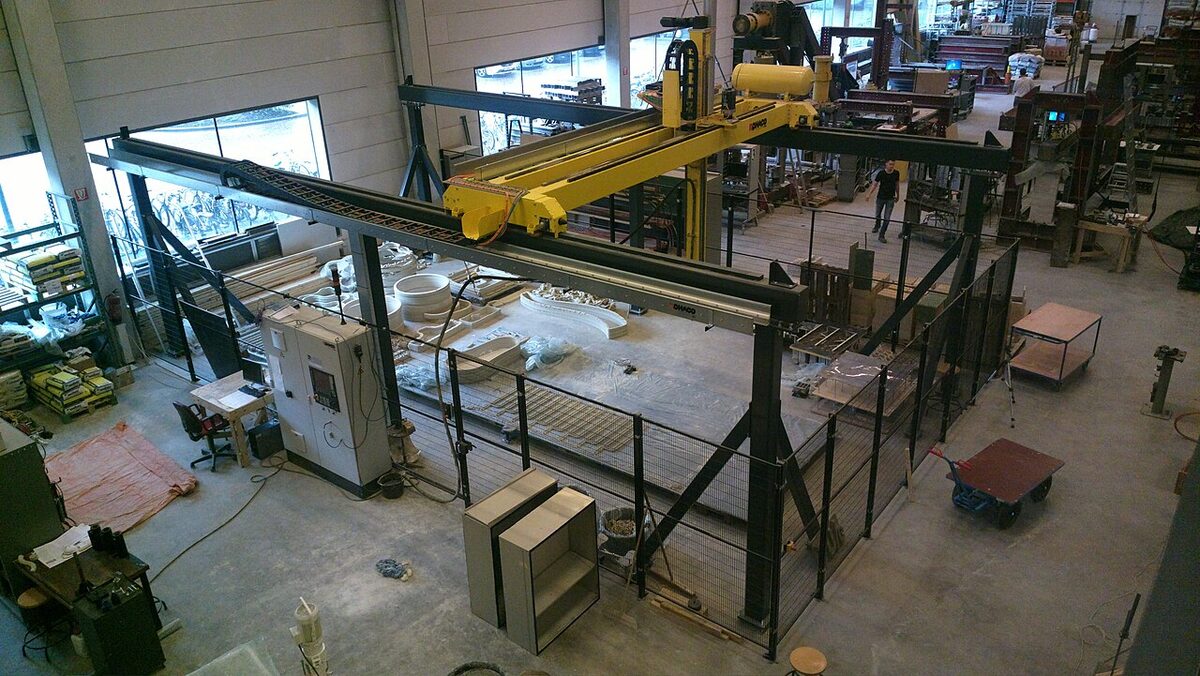
MOI Composites will preview High Tg, Low Density, Tough and Flame-retardant thermoset feedstocks at Formnext 2026, plus a recycled-reinforcement test, a big widening of a robotic large-format process that has so far run on one vinyl ester paste.
-
Materials
Waterloo Researchers 3D Print a PLA Filter That Pulls 90% of Microplastics From Water
University of Waterloo researchers turned stacked FDM-printed PLA discs into a microplastics trap by etching pores into them and adding a sticky acrylic coat, reaching 90% removal at 20 layers. It is still a proof of concept, and it works less well on the smallest particles.
-
Materials
Why Water Content Decides How Printable Cement Flows: Multiscale Study Explains Shear Thinning
A Journal of Applied Physics study feeds atomistic simulations of cement and water into a particle model, showing that more water lowers paste viscosity and proposing a microscopic cause for the shear thinning that makes construction printing work.
-
Materials
6K Additive and ADDMAN Lock In a 30-Month Nickel 718 Powder Deal That Buys Back Used Powder
6K Additive and ADDMAN Engineering announced a 30-month Nickel 718 supply agreement worth US$8.1M to US$10.8M, with stocking support and a buy-back of ADDMAN's used powder, reprocessed through 6K's UniMelt microwave plasma system.
-
Materials
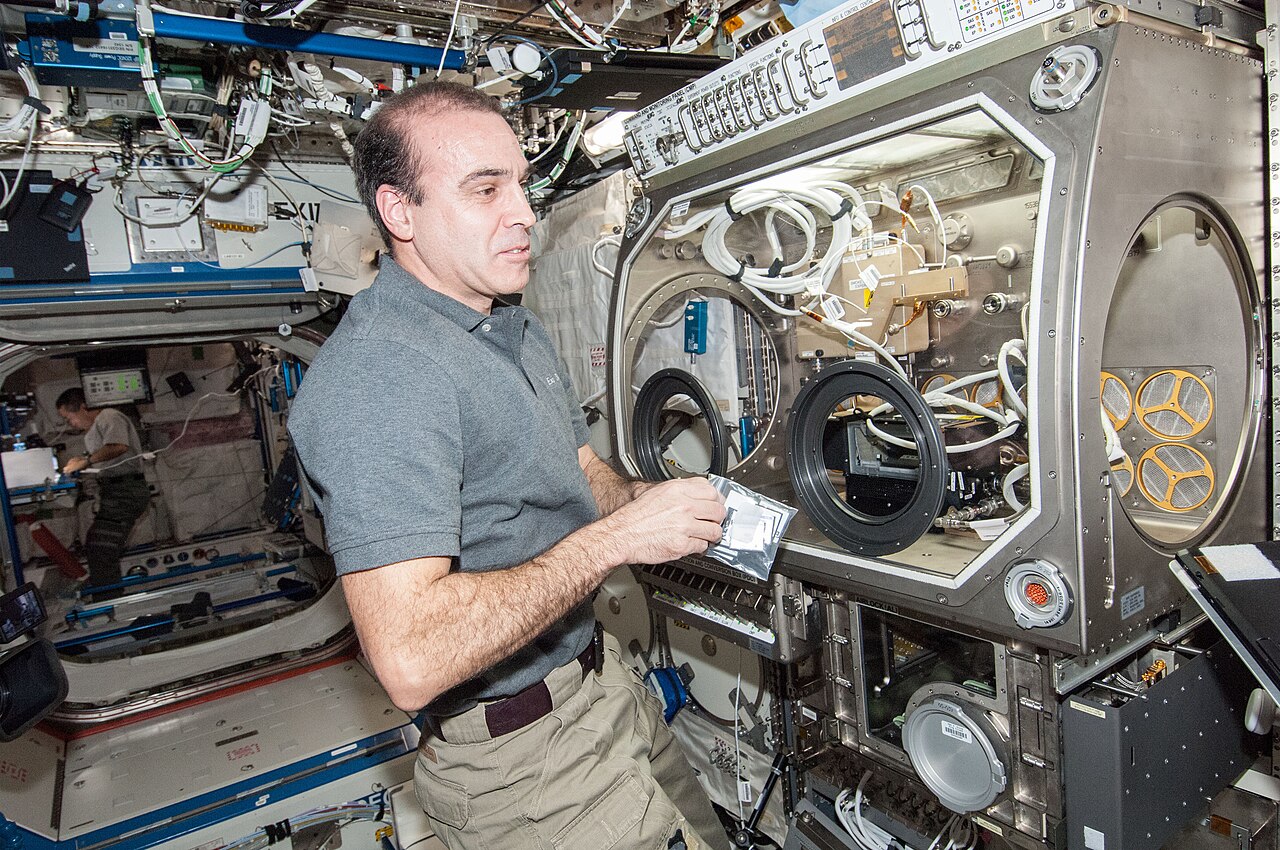
NSF and ISS National Lab Will Melt Metal Powder in Microgravity to Chase Defects in Metal 3D Printing
Two NSF-funded, ISS National Lab-sponsored projects were selected; one, led at Washington University in St. Louis, will study how small particles melt and mix without gravity, aiming at better models for defects in metal additive manufacturing.
-
Materials
Virginia Tech Lab 3D Prints Circuits That Heal Themselves With Liquid Metal
VT MADE Lab's gallium-indium-in-PDMS composite stays insulating until punctured, then turns conductive and stitches itself back together — a printable material makers could one day pour, mold, or 3D print into self-repairing flex circuits.
-
Materials
NIST Ships Reference Material to Standardize Photopolymer 3D Printing
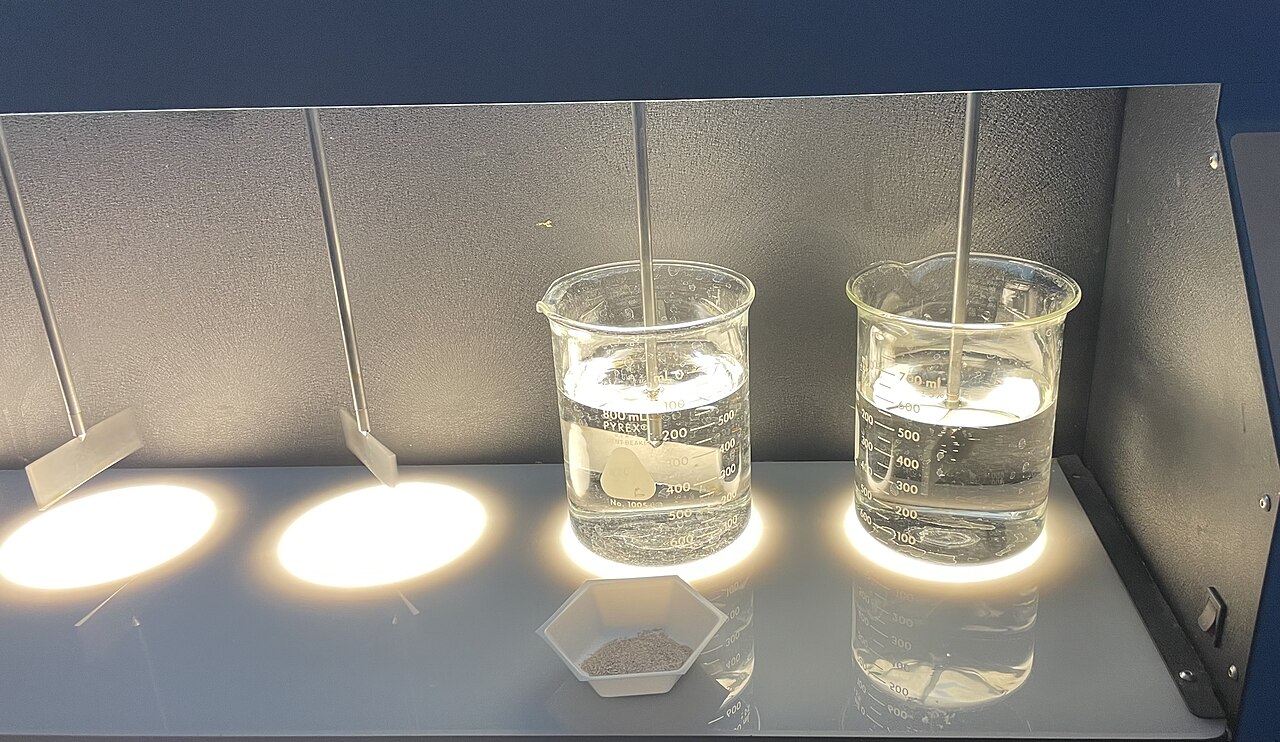
NIST's new RM 8047 gives resin-printing labs a common calibration standard for cure depth and exposure energy, aiming to end years of inconsistent light-penetration measurements that have slowed commercial scaling of SLA and DLP printing.
-
Materials
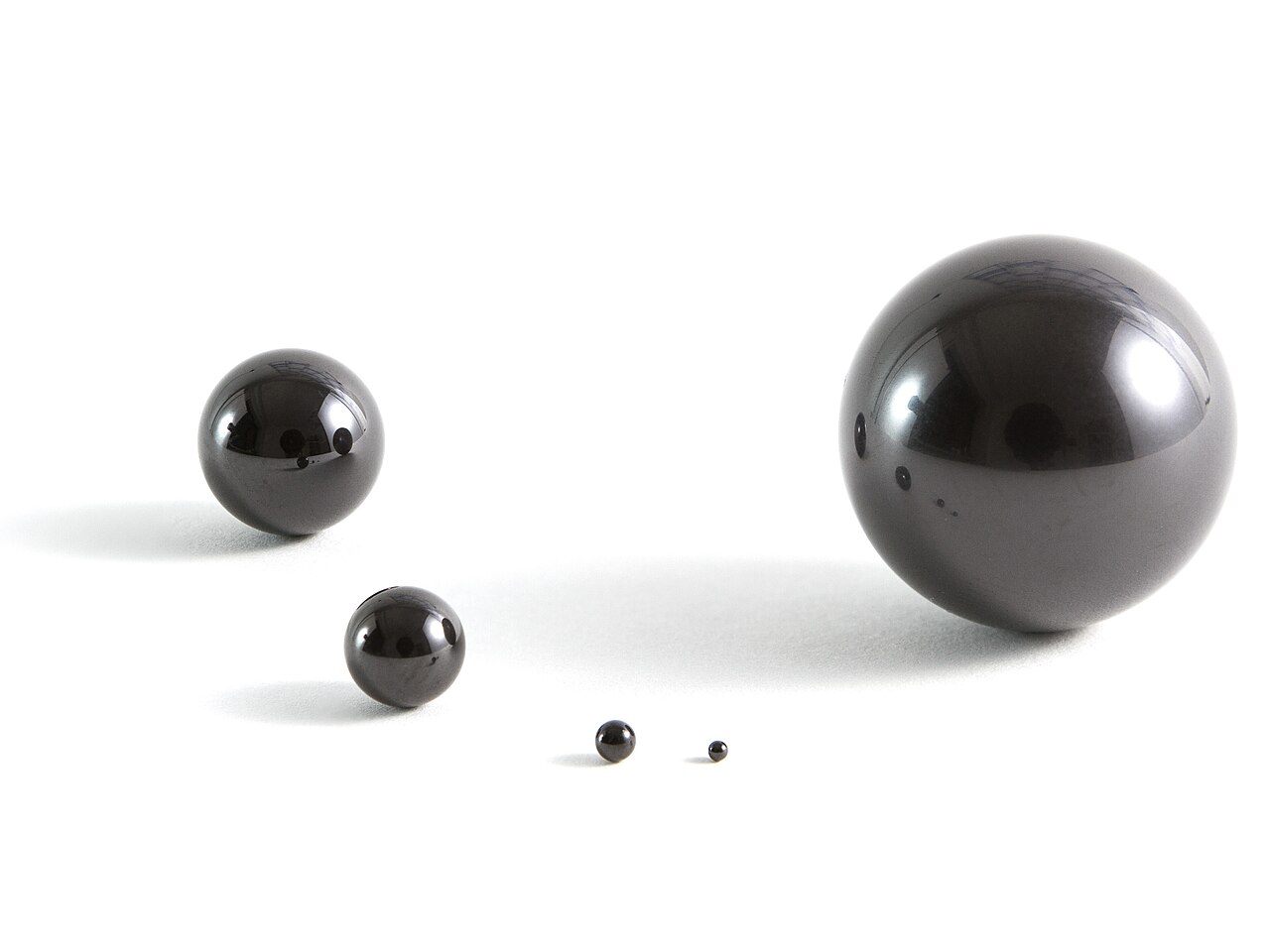
Sinto Advanced Ceramics Pushes Beyond Oxides, Adds Aluminum Nitride and Silicon Nitride
Sinto Advanced Ceramics Europe has added non-oxide ceramics AlN and Si3N4 to its 3D-printing lineup, opening the door to printed parts for power electronics, thermal management and high-stress structural applications.
-
Materials
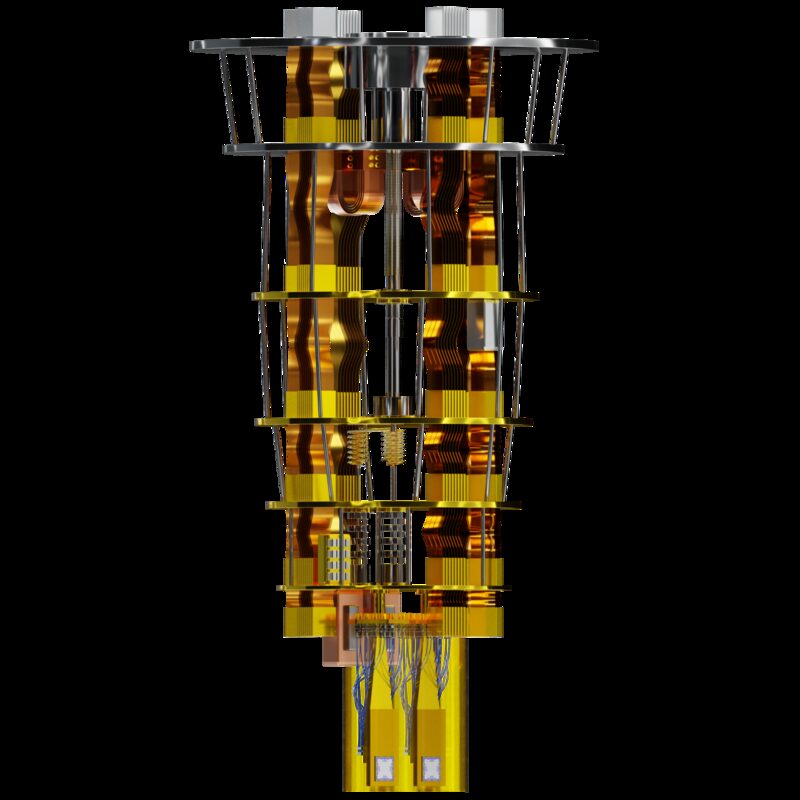
A Quantum-Hardware Company Launches a 3D-Printable Dielectric That Lasers Turn Into Carbon
QTREX Quantum posted 438% revenue growth and launched INSU300, a 3D-printable dielectric that trade coverage says can be laser-converted into graphene-like conductive carbon.